Physiotherapy - 15/08/2026

Back pain is one of the most common and costly health problems in the world. It’s the leading cause of disability globally, and in Australia, it accounts for more lost work days than any other musculoskeletal condition.
And yet, for all its impact, back pain is still widely misunderstood—by patients, practitioners, and the general public alike.
The good news? We now have decades of high-quality research, clinical trials, and international guideline reviews that consistently point to the same evidence-based approach. It’s clear, effective, and refreshingly simple.
Let’s unpack what actually works—and why your recovery might look different than you expected.
Over the past 20 years, multiple large-scale reviews—including those published by the Australian Commission on Safety and Quality in Health Care, The Lancet, and Cochrane Reviews—have come to the same conclusion:
The most effective way to manage non-specific low back pain is active care, not passive treatment. That means:
Education and reassurance
Keeping active and returning to movement early
Individualised exercise therapy
Behavioural strategies to reduce fear and avoidance
Manual therapy only when it complements active treatment
Imaging, prolonged rest, or relying solely on massage, painkillers or “fixes” have not been shown to improve long-term outcomes. In fact, they can sometimes make things worse.
Reassurance and education
Understanding that back pain is common, often not dangerous, and very treatable is the first step. When people understand that pain doesn’t always equal harm, they’re more likely to stay active and recover faster.
Physios play a key role here—helping you make sense of your pain, reduce fear, and build confidence in your body again.
Movement, not rest
In the past, rest was prescribed for back pain. Now, we know this often prolongs recovery. Staying active—even just walking or moving gently—helps maintain function, reduce inflammation, and support mental wellbeing.
Movement supports circulation, strengthens muscles, and calms the nervous system.
Exercise therapy
This is consistently the most effective and long-lasting treatment. The type of exercise matters less than the fact that it’s:
Individualised to your needs and preferences
Supervised or guided in the early stages
Progressed gradually over time
Focused on strength, mobility, and control
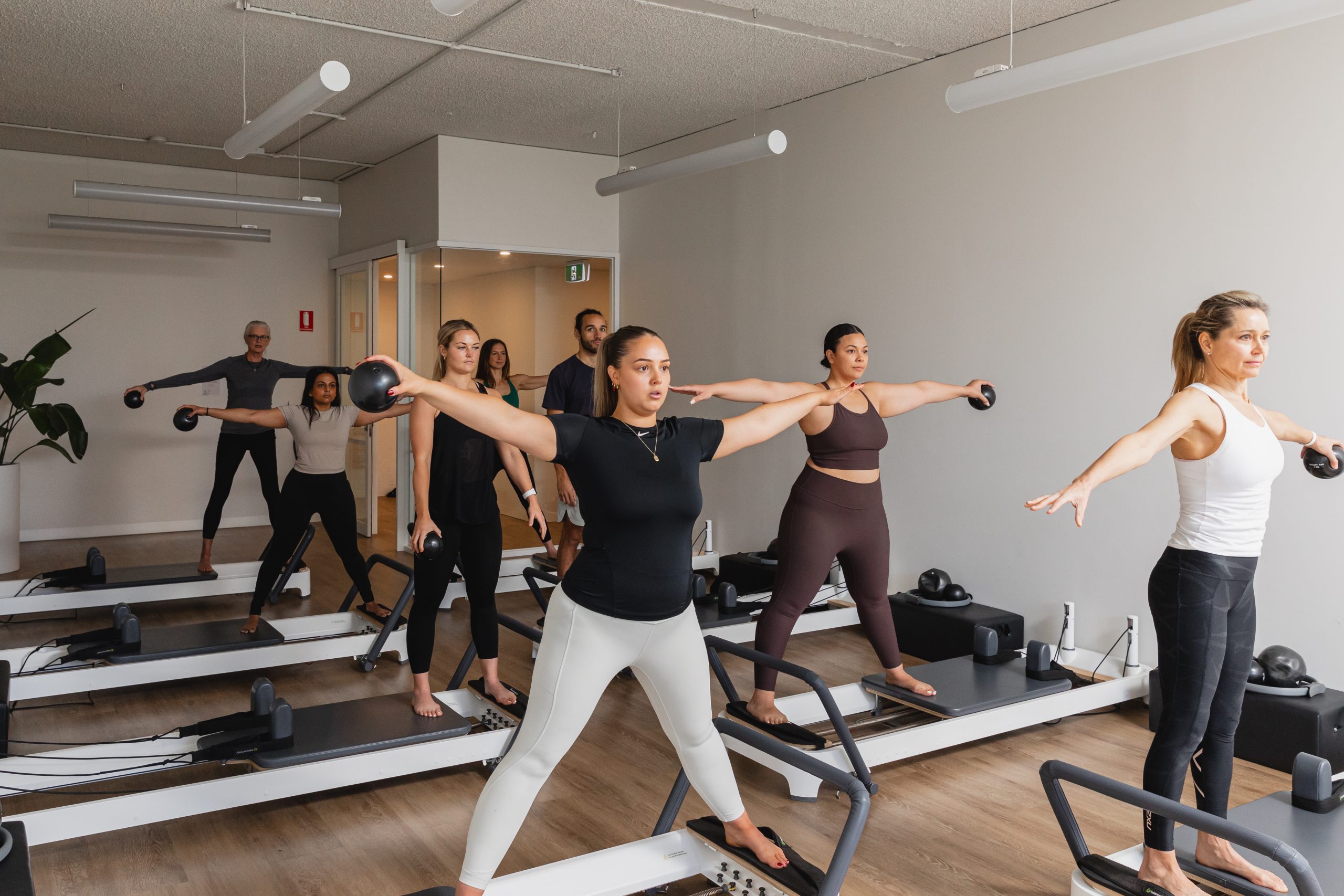
At All for One, we use Clinical Pilates as a powerful tool for this. It blends core strengthening, spinal control, and breath awareness—making it ideal for back pain recovery and prevention.
Manual therapy (as a support, not a solution)
Hands-on treatments like joint mobilisation or soft tissue release can reduce pain in the short term. But alone, they don’t create lasting change. They’re best used alongside active movement-based rehab.
Addressing lifestyle and stress
Sleep, stress, and mental health all influence pain. High stress levels can amplify pain sensitivity. Good care looks at the whole person—not just the spine.
Despite being common, many popular back pain treatments have little or no evidence behind them. These include:
Routine imaging (X-rays, MRIs) for non-specific pain without red flags
Prolonged rest or time off work
Passive-only treatments like massage or heat
Over-reliance on medication or injections
Invasive surgery for non-specific pain without structural damage
In fact, early imaging can sometimes worsen outcomes by creating fear or overdiagnosis.
Physiotherapists trained in evidence-based care can provide:
A thorough assessment to understand your unique story
Individualised rehab to target your specific movement patterns and goals
Hands-on techniques when appropriate
Ongoing support, coaching and reassurance
Clinical Pilates adds another layer—building spinal control, core strength, and long-term resilience in a safe, progressive way. It’s especially powerful for those looking to move beyond injury, prevent future episodes, and feel stronger in day-to-day life.
Chronic or recurring back pain isn’t always something you can fix in one session—but with the right approach, most people experience a significant improvement in function, quality of life and confidence.
And perhaps most importantly: the earlier you start moving again—with support—the better your chances of recovery.
Back pain is common, but that doesn’t mean you should accept it as your “new normal.”
The science is clear. You don’t need endless scans or a long list of treatments. What you need is a clear, supportive, movement-based plan that helps you understand your body and trust it again.
If you’re ready to move forward, we’re here to guide you—every step (and stretch) of the way.
Book in today with one of our expert physiotherapists or Clinical Pilates team and take the first step toward lasting relief and strength.
Physiotherapy - 15/08/2026
Prefer to talk? Yarraville (03) 8319 9945 · Hampton East (03) 9086 3740 · Kensington (03) 8319 9946
Please don’t include medical or health information in this form. For clinical questions or appointments, call your studio or book online. Your message goes straight to the studio you choose.
This site is protected by reCAPTCHA and the Google Privacy Policy and Terms of Service apply.

Specialist care from physios who truly understand women’s bodies.

Senior Women’s Health Physiotherapist
Emily has a deep passion for empowering women to take control of their pelvic health. She creates a warm, judgement-free space where you can talk openly about what’s really going on.
With advanced training in pelvic floor rehabilitation, Emily treats a wide range of conditions including incontinence, prolapse, pelvic pain, and pregnancy-related concerns. She takes the time to really listen, explain what’s happening in your body, and build a treatment plan that fits your life. Whether you’re preparing for birth, recovering postpartum, or navigating menopause — Emily is here to help you feel strong and confident again.

Women’s Health Physiotherapist
Tori is passionate about helping women feel heard and supported through every stage of life. She combines clinical expertise with genuine empathy to deliver care that makes a real difference.
Tori brings a holistic, evidence-based approach to treating pelvic floor dysfunction, pregnancy-related pain, and postnatal recovery. She has a special interest in helping women return to exercise safely after having a baby and supporting those with persistent pelvic pain. Tori believes every woman deserves to understand her body and feel empowered in her recovery — no topic is too awkward, and no concern is too small.