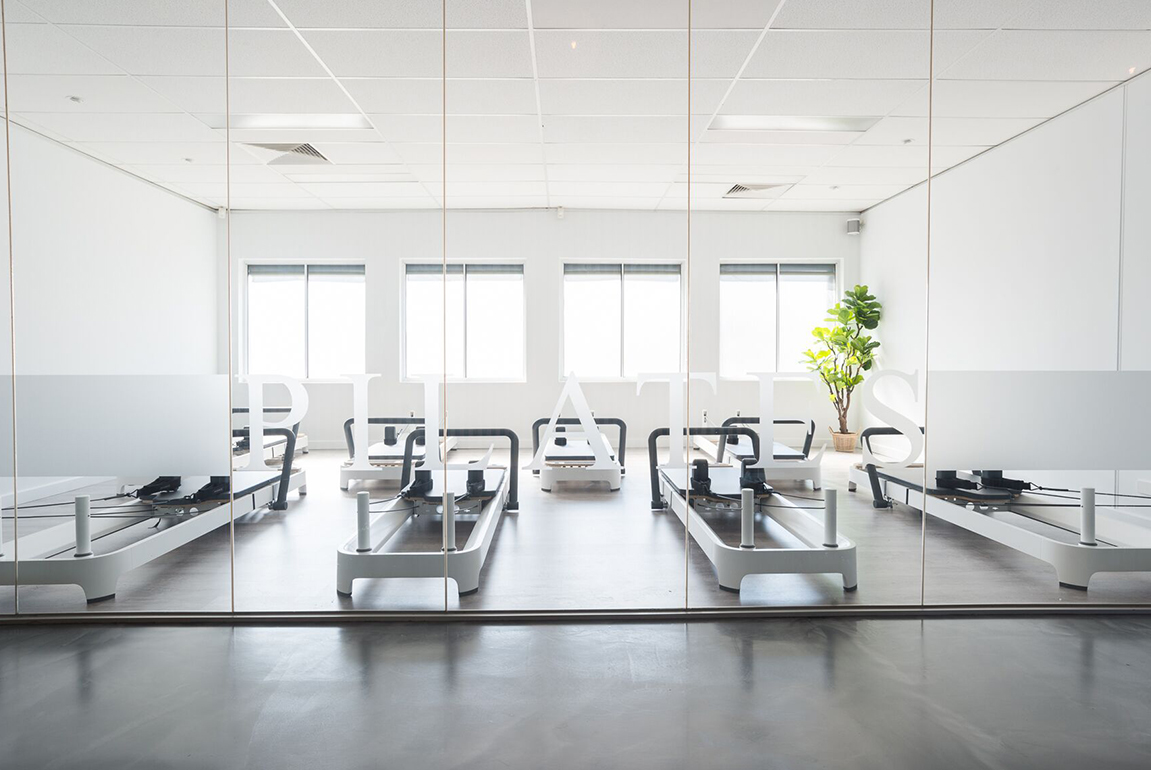
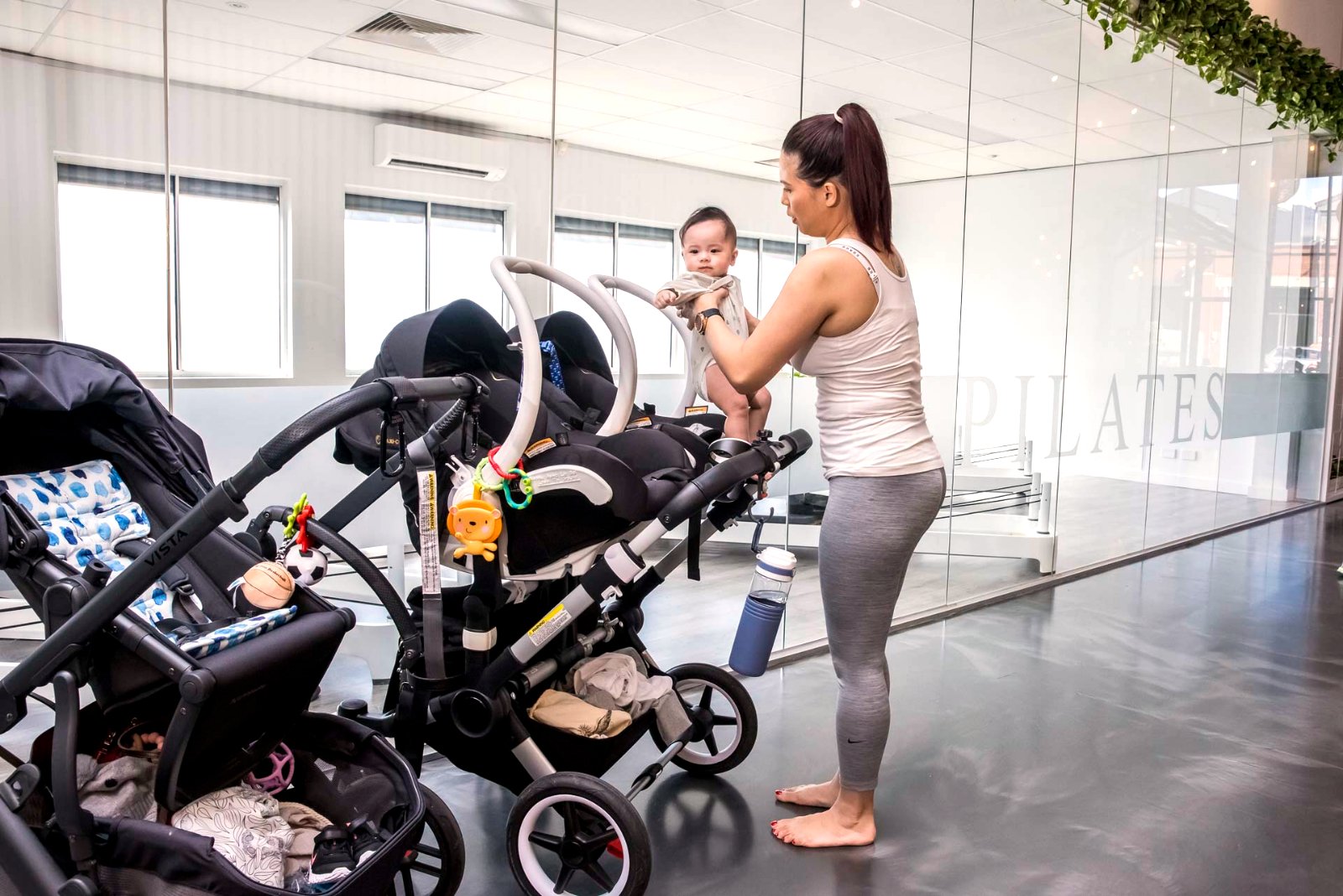
You’ll arrive with the pram, the bag, and a baby who chose this morning to fight their nap. That’s fine. The front desk will know your name, and theirs, and expect them to be fussed over. Your reformer will be set up, the space beside it is theirs, and for the next forty minutes a physiotherapist who knows exactly how your body is healing takes it from there.
Bring the baby to the assessment too. We planned for that.
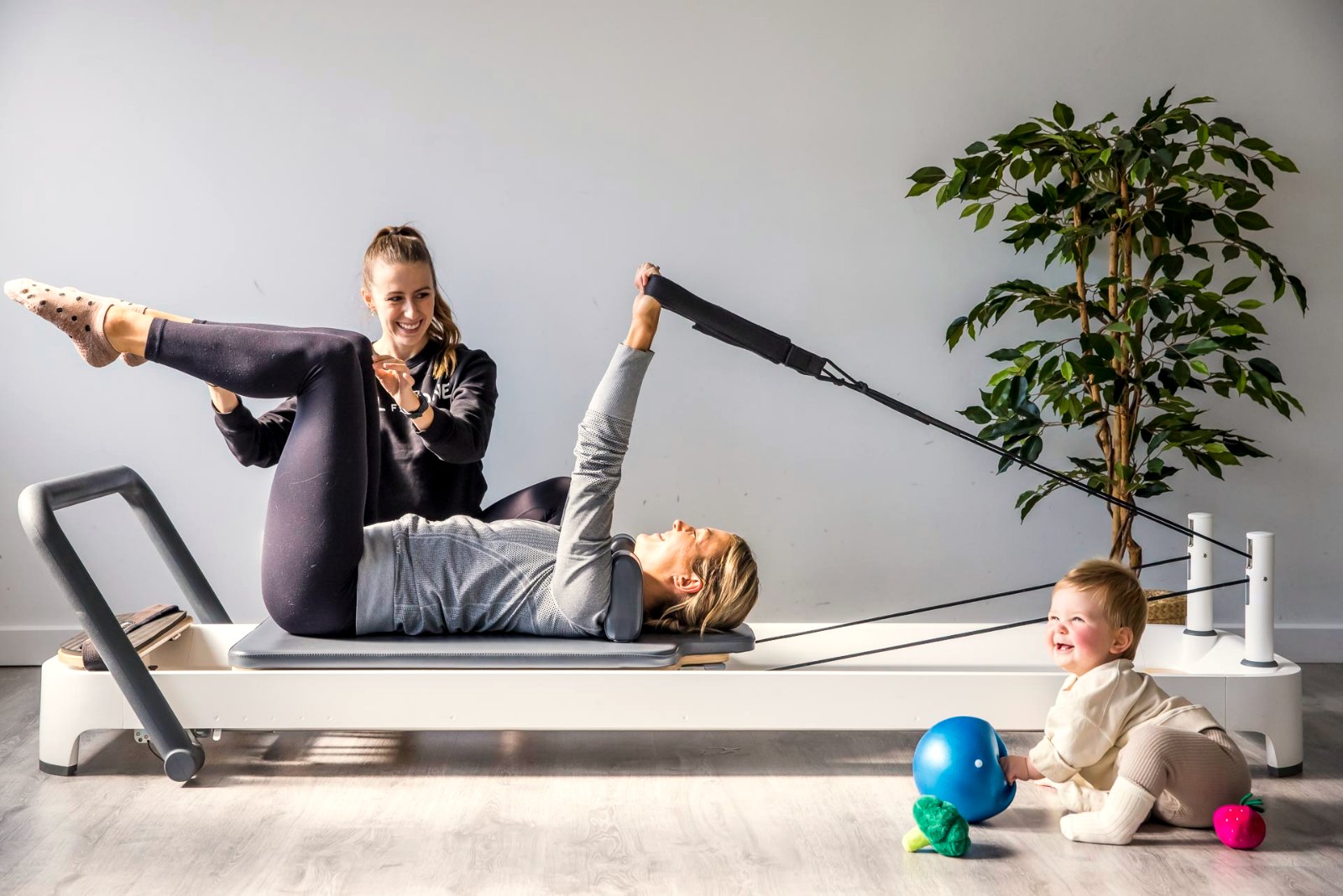
Physio-led postnatal recovery that looks like a class and works like rehab. It starts with a one-on-one assessment, and every exercise in every class is adjusted to where your body is right now, so nothing about it is generic and nobody is guessing.
Nobody warns you that motherhood is a strength sport. Floor to standing with eight kilos in your arms. The fortieth pram lift of the week. Feeding postures held longer than any plank you’ve ever done, and bouncing them around until your calves are burning. That’s the strength these classes rebuild, starting with what pregnancy and birth actually change: your core, your pelvic floor, your back, your breath.
Reformer classes are a workout taught to the room.
Mums and Bubs is physio-led postnatal recovery: assessed one-on-one first, adjusted to suit every body’s needs, in small classes, claimable on private health extras, and built around bodies recovering from pregnancy and birth, with babies welcome.
When you’re ready for the regular timetable, we’ll tell you, and it’s waiting in the same building.
Let’s find out properly. Before your first class, a physiotherapist sits down with just you. Your birth, your pelvic floor, your tummy, and what you want back: the unhurried conversation about you, this time. They’ll check your abdominal muscles for separation, and you’ll try a few exercises together on the reformer. Your classes are adjusted from what your body shows us that day, not from a date on a calendar. C-section, complications, a slower recovery: the plan bends to you. And whatever your body shows us, we’ll have rebuilt it before. Nothing about you is going to worry us.
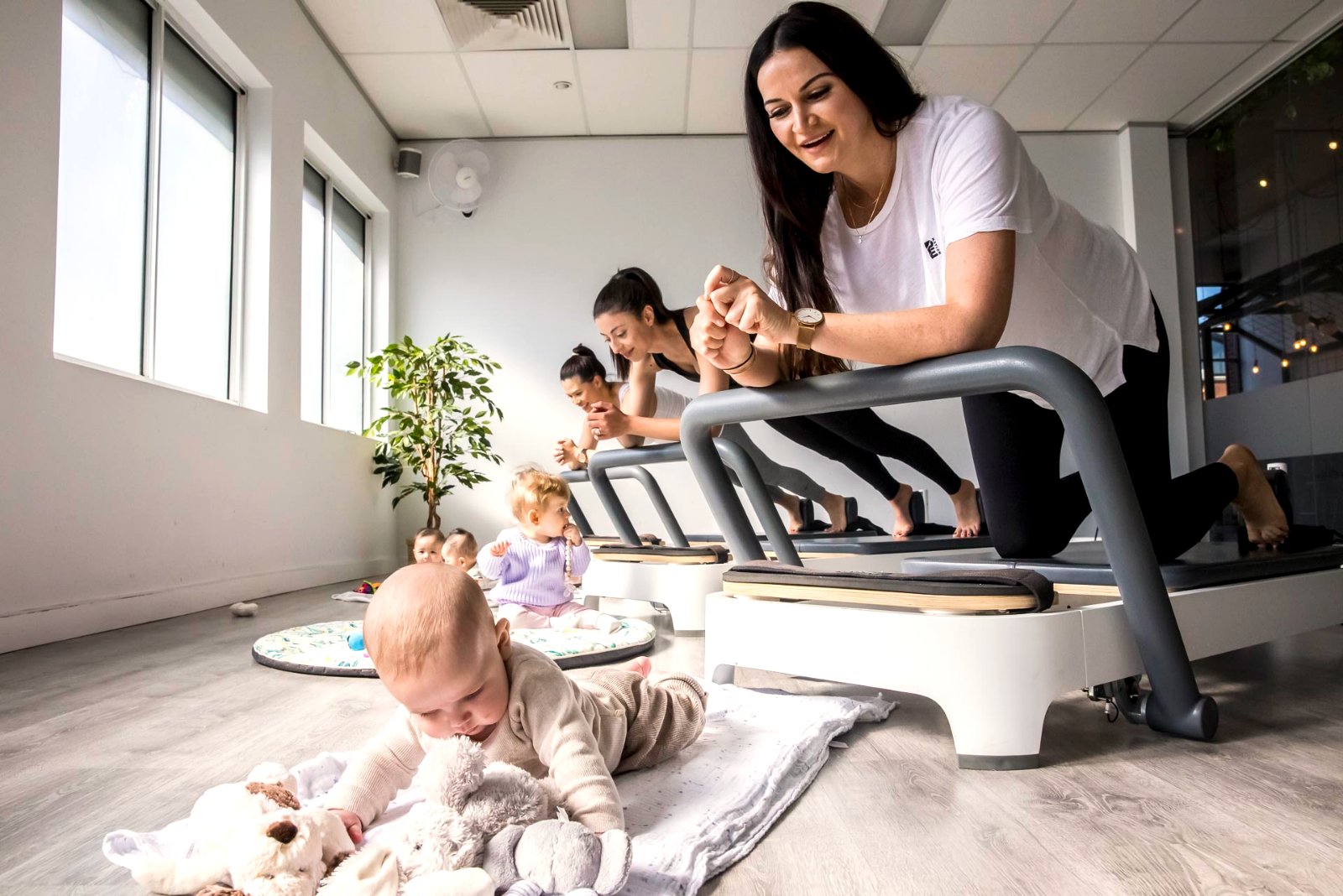
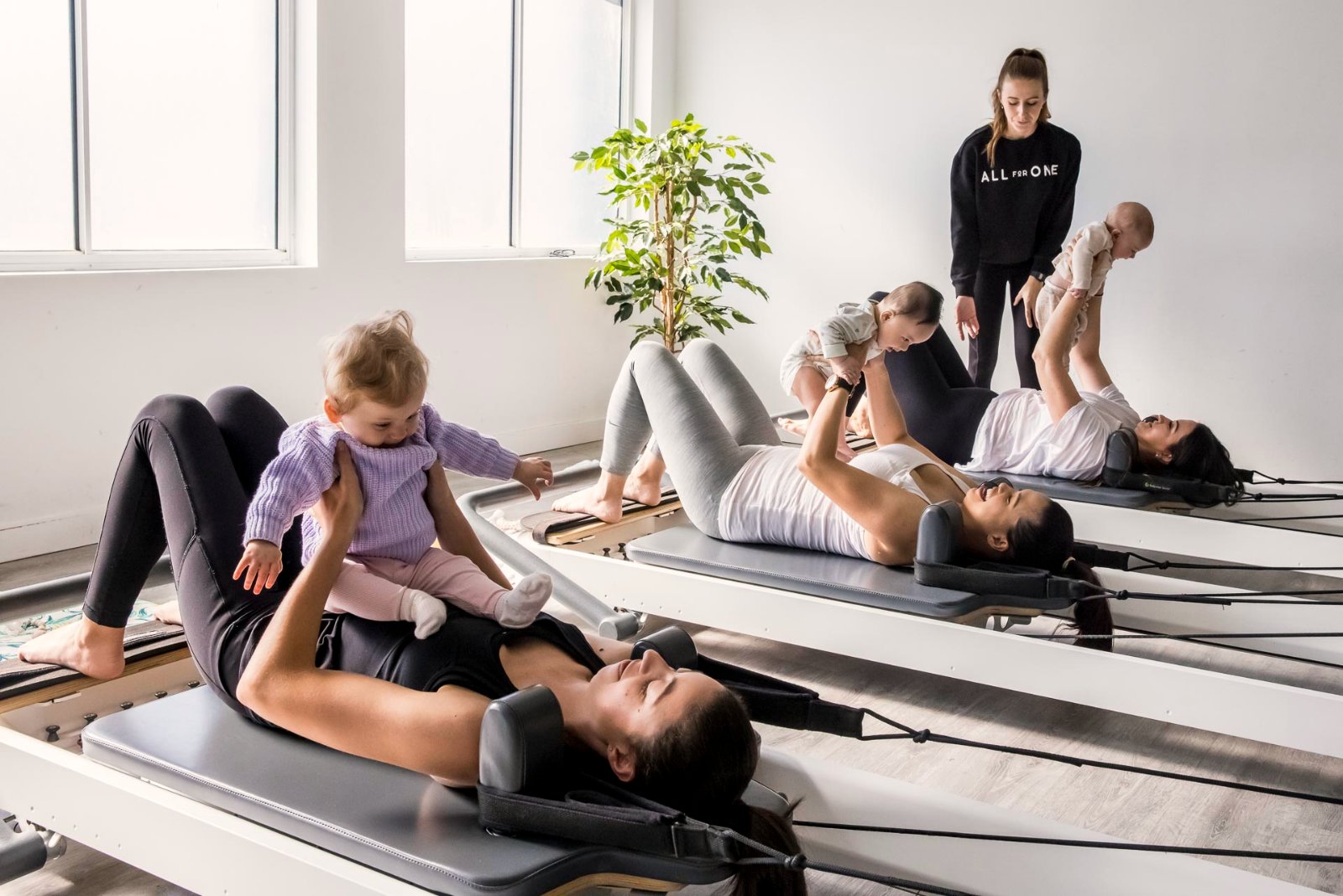
They cry, and someone sorts it: you, or your physio, who is well practised at coaching one mum while settling another’s baby. This is the perfect class to have a crier in, because nobody minds; every mum in that room has been the one with the crying baby, most of them that same week. And when a baby simply refuses to be put down, your physio can give you exercises that hold them and build them right into the workout. They’re not an interruption here. They’re part of the program.
Yes. You’ll be in the majority here, not the exception. Every exercise has versions for different levels of pelvic floor function and tummy separation, and your physio quietly tells you which one is yours, then upgrades it as you get stronger. If your assessment finds something that needs its own appointment, a women’s health physiotherapist is down the hall, and you’ll never have to tell your story twice.
Usually from around six weeks, once your doctor or midwife gives the all-clear. Later is fine too. Some bodies and some births need more time, and there is no deadline on this. Nobody here is measuring you against a bounce-back, because there’s no such thing.
One-on-one with a physiotherapist, baby welcome. Your birth, your pelvic floor, a check of your abdominal muscles for separation, and what you want back. Everything the class does for you starts from what your body actually shows us here.
The class moves together, but every exercise bends to each body in it: your pelvic floor, your tummy, your energy that day. Your physio sets your version, watches it, and upgrades it as you rebuild.
Forty minutes on the reformers, in small classes, run by a physiotherapist who has read your assessment, so they’re watching your form, not the clock. You’ll work honestly and leave taller. Somewhere in the middle, a baby will blow a raspberry mid-exercise and the whole room will laugh. And you’ll be training beside women in exactly the same season as you, which matters more than it sounds: for empathy, for morale, and for the kind of practical wisdom that never makes it into the baby books. Whatever you’re up against this week, someone two reformers over has just been through it.
05
Postnatal recovery is what these physios do all day: the leaks, the gaps, the aching backs and the bodies that don’t feel like theirs yet. Whatever yours is carrying, we’ll have seen it, rebuilt it, and taken it seriously.
The practical bits, sorted before you ask:
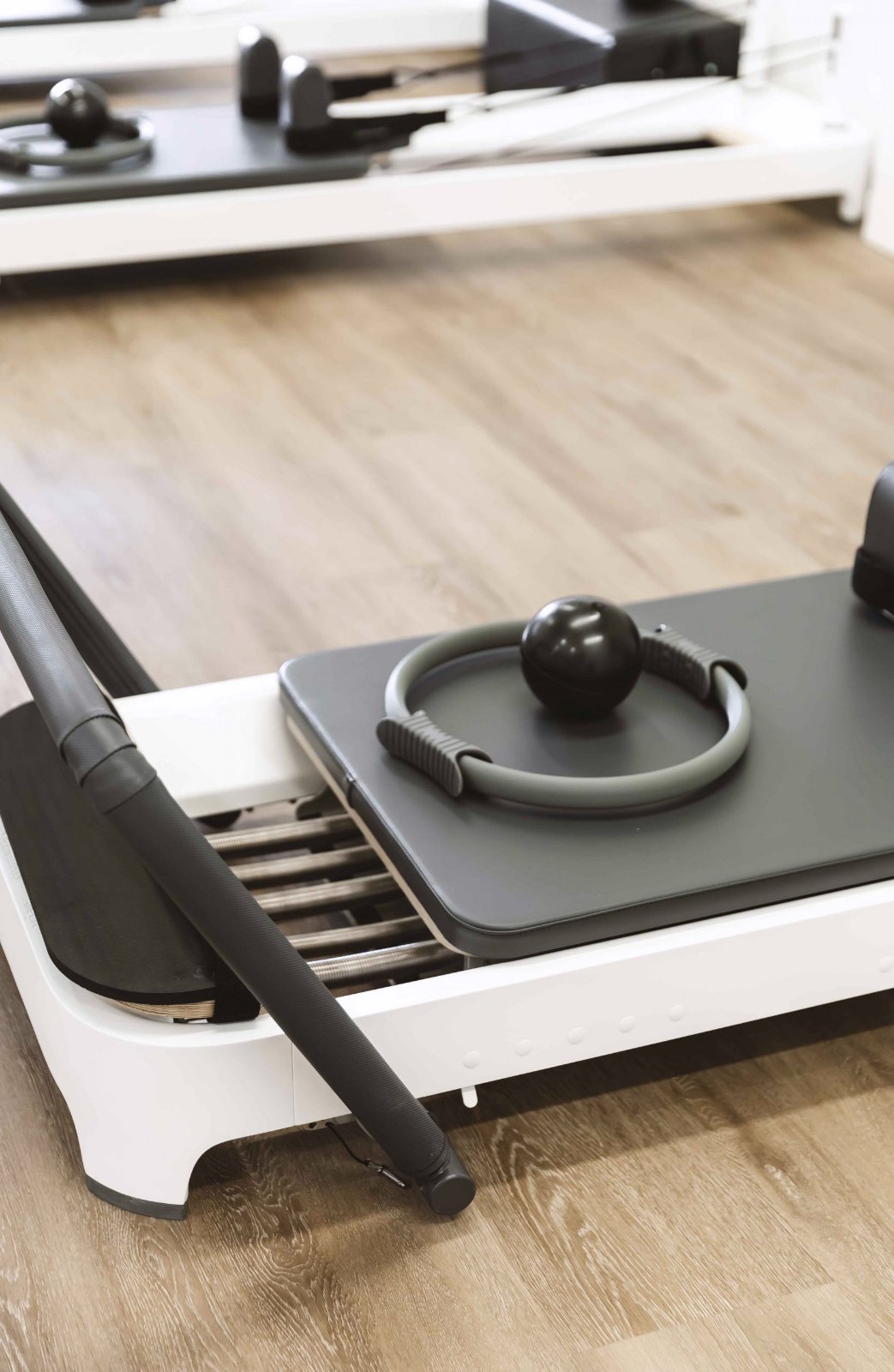
Plenty of the room came through Prenatal Pilates here, so their physio knew their bodies before the birth. Yours can know your whole story from the first hello. Our women’s health physiotherapists are in the same building for everything postnatal recovery can bring, from pelvic floor rehabilitation to returning to running, and there’s remedial massage a door away for the feeding shoulders and the carrying neck. And when you’re ready for more, whenever that is, the whole timetable is waiting here too, taught by people who already know your name.
The babies grow up in this room a little, too. Regulars measure the year in rolls, crawls and first steps between sets, and every one of them gets celebrated like it’s the room’s own milestone, because by then it is. You’ll never have to graduate away from the place that rebuilt you. It just keeps handing you the next thing.
Mums and Bubs runs at Yarraville in the inner west, Hampton East in the bayside south east, and Kensington in the inner north west, on Level 1 of the Kensington YMCA. Easy pram access at all three, with private parking available.
You did it, by the way. Someone should say that more often. Six weeks out or six months, straightforward birth or anything but, the first step is the assessment: just you, a physiotherapist, and a conversation that’s actually about you. The baby’s invited to that too. And on the mornings you arrive on no sleep, having cried in the car, come anyway; the session will meet you exactly where you are. Not sure whether Mums and Bubs or a postnatal check should come first? Call us and we’ll help you find the right starting point.
You did it, by the way. Someone should say that more often. Six weeks out or six months, straightforward birth or anything but, the first step is the assessment: just you, a physiotherapist, and a conversation that’s actually about you. The baby’s invited to that too. And on the mornings you arrive on no sleep, having cried in the car, come anyway; the session will meet you exactly where you are. Not sure whether Mums and Bubs or a postnatal check should come first? Call us and we’ll help you find the right starting point.

Prior to your first class, you will have an assessment with a Physiotherapist. We will discuss relevant details of your birth and any questions you have, as well as assess any injuries, pain or dysfunction you are currently experiencing. We will also talk about pelvic floor function, as well as look at your abdominal muscles to see if you have any separation, so that this information can be taken into account when you’re doing the classes.
Each exercise in these classes has different options to allow for differing levels of fitness, stomach separation and pelvic floor dysfunction. You will be directed by the Physiotherapist regarding which progression is the most appropriate for you.
Experts in their field, specialists in holistic health
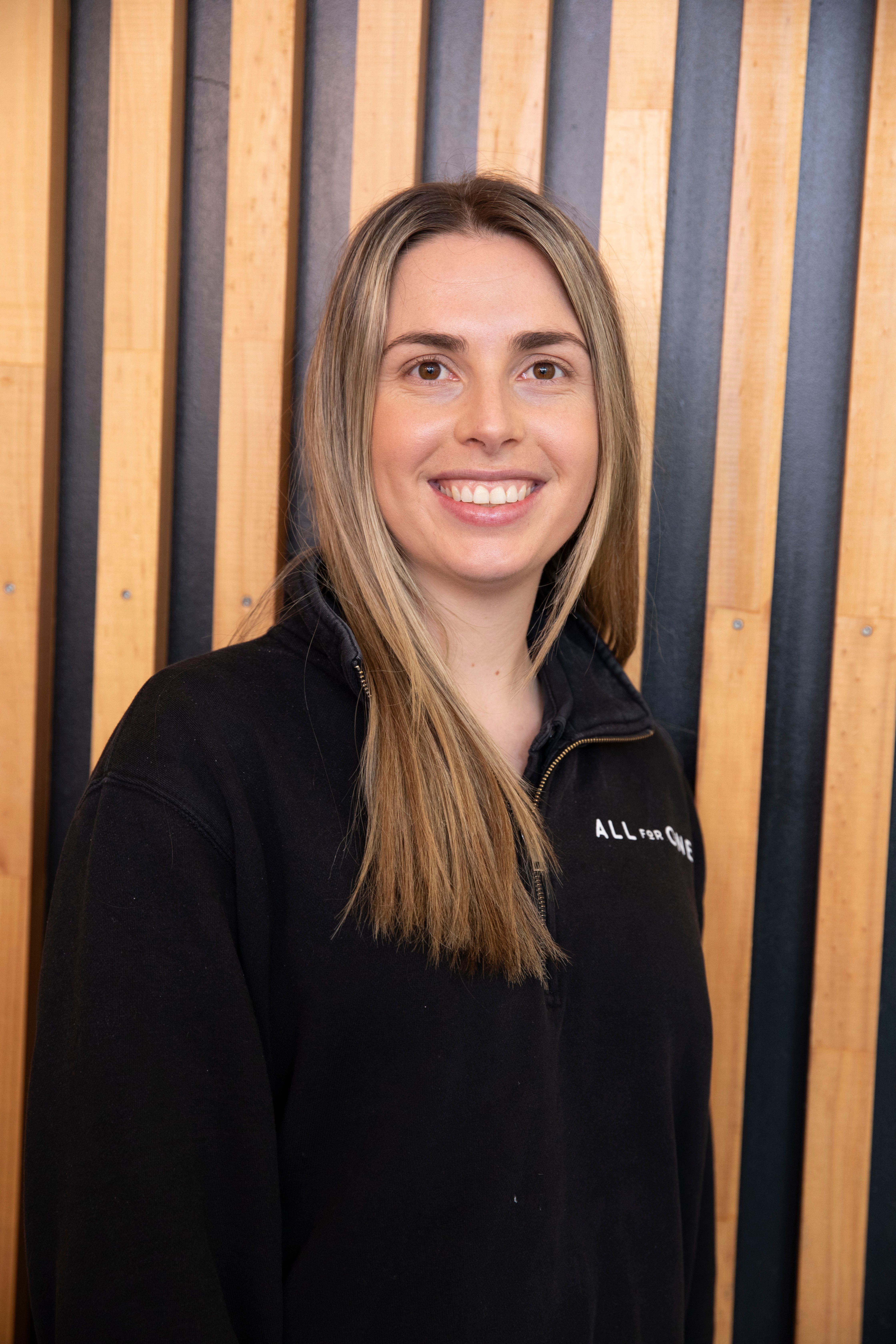
Emily Tregear Senior Women's Health Physiotherapist | Clinical Pilates Instructor
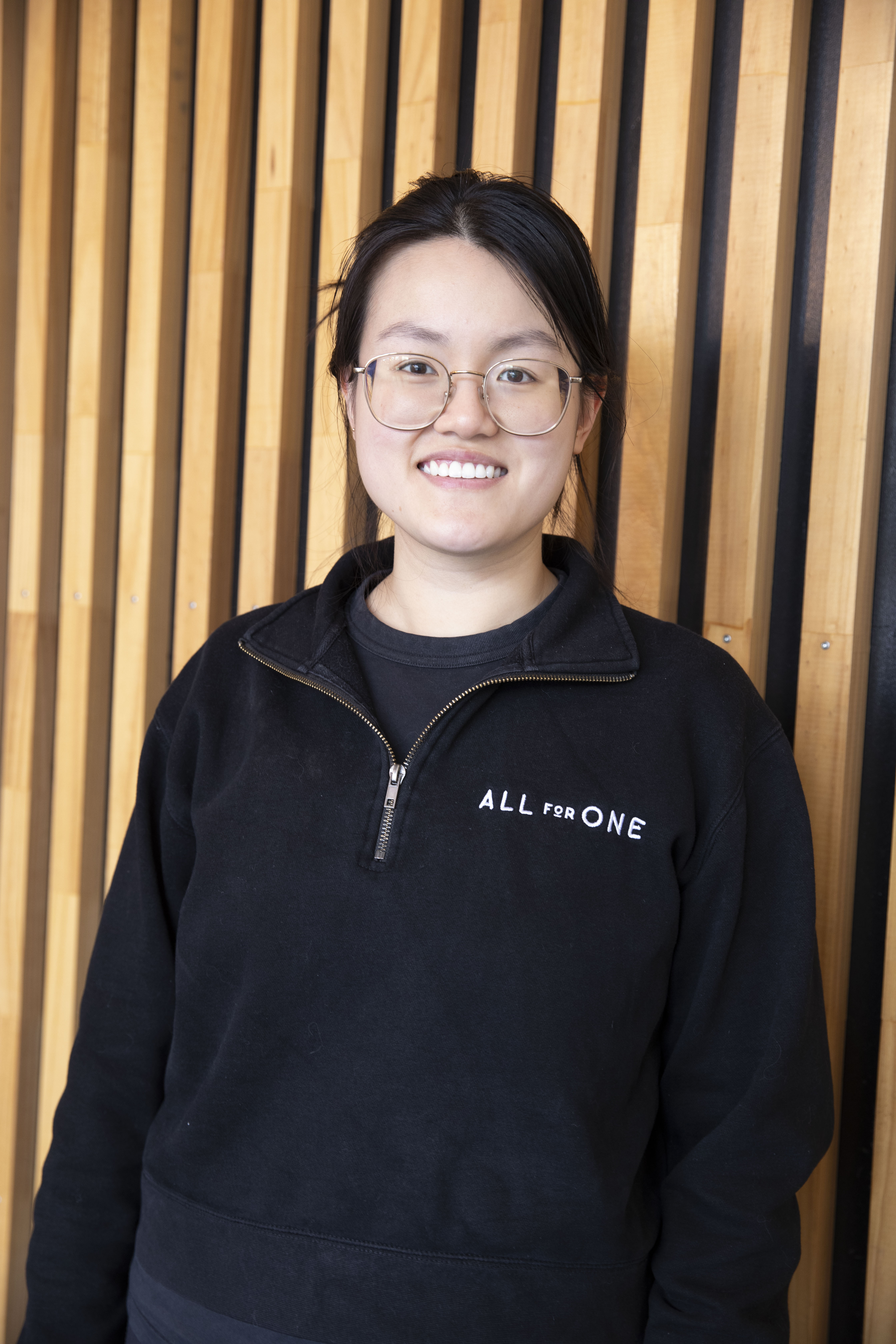
Debbi Lim Senior Women's Health Physiotherapist | Musculoskeletal Physiotherapist | Men's Health Physiotherapist | Clinical Pilates Instructor |
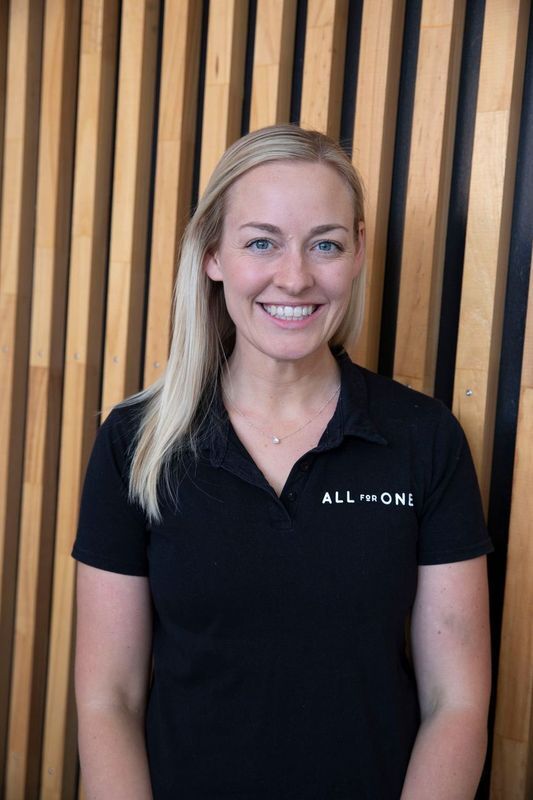
Gemma Allan Physiotherapist | Clinical Pilates Instructor

Tori Fisher Musculoskeletal Physiotherapist | Women's Health Physiotherapist | Clinical Pilates Instructor
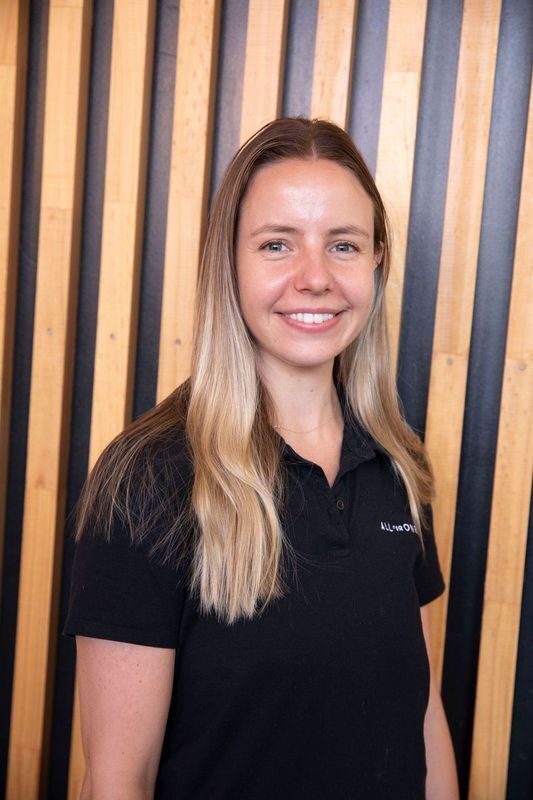
Phoebe Cunningham Musculoskeletal Physiotherapist | Women's Health Physiotherapist | Clinical Pilates Instructor

Abigail Oh Physiotherapist | Clinical Pilates Instructor

Stephanie Chung Physiotherapist | Clinical Pilates Instructor
Book an appointment with Emily →
There are some things you don’t bring up at brunch. Leaking when you laugh. A heaviness that doesn’t feel right. Pain during intimacy you’ve never told anyone about. Pelvic pain you’ve been told is “just part of having a baby.” These are the things Emily helps with every single day — and nothing you say will surprise her.
Emily specialises in Women’s Health and Pelvic Floor Physiotherapy. She’s completed postgraduate studies in the field and trained alongside some of Australia’s leading pelvic health experts. Before women’s health, she cut her teeth in elite sport — working in the medical department at Carlton Football Club (AFL) — and she brings that same clinical precision to every appointment.
A lot of women wait months — sometimes years — before seeing someone about pelvic health, because they’re embarrassed, or because they’ve been told it’s normal. It’s not something you have to just live with. And in Emily’s room, nothing is awkward. You can ask the questions you’ve been sitting on, and they’ll be taken seriously.
In your first appointment, Emily will listen properly, explain what’s going on in plain English, and work with you on a plan that makes sense for your body and your stage of life. Whether that’s preparing for birth, recovering from a C-section, rebuilding your pelvic floor, returning to running, or treating pain that’s been holding you back — the focus is always on getting you to where you want to be.
Emily commonly helps with: pelvic floor dysfunction (incontinence, prolapse, pelvic pain), prenatal and postnatal care, birth preparation, C-section recovery and abdominal rehabilitation, return-to-exercise assessments, pain during intimacy, general neck and back pain, and Clinical Pilates.
If you’ve been putting up with something because you weren’t sure it was “bad enough” to see someone about — it is. The earlier you address it, the simpler it usually is to treat.
Book an appointment with Debbi →
I’ve worked in postnatal wards at St John of God and The Alfred. I’ve trained alongside some of Australia’s leading pelvic health physiotherapists. And I’ve supported hundreds of women and men through the most vulnerable, confusing, and physically demanding stages of their lives. Whatever you’re going through — I’ve very likely seen it before, and I take all of it seriously.
I hold a Bachelor of Science in Physiotherapy from Curtin University and a Postgraduate Certificate in Pelvic Floor Physiotherapy from the University of Melbourne. My focus is helping women with pelvic health conditions, pregnancy and postnatal care, and the kind of symptoms that are common but rarely talked about — leaking, heaviness, pelvic pain, pain during intimacy, or a core that doesn’t feel like it’s come back together after birth.
I know these things can feel awkward to bring up. A lot of the women I see waited a long time before booking — because they were embarrassed, or because someone told them it was “normal.” It’s not something you just have to live with. And you won’t feel awkward about it with me.
In your first appointment, I’ll take the time to understand everything — your symptoms, your history, and what you actually want to get back to. I’ll explain what’s going on clearly, answer every question, and we’ll build a plan together. No jargon, no rushing, no generic handouts.
I commonly help with: pregnancy and postnatal care (pelvic girdle pain, abdominal separation, return to exercise, pelvic floor preparation and recovery), pelvic floor dysfunction (incontinence, prolapse, urgency, pelvic pain, pain during intimacy), core and abdominal rehabilitation, pessary fittings for prolapse management, general musculoskeletal pain (back, neck, joints), Men’s Pelvic Health and Clinical Pilates.
If you’ve been putting up with something and you’re not sure if it warrants seeing someone — it does. These things almost always respond better the earlier you get onto them.
Book an appointment with Gemma →
Gemma is a mum of three young kids, a former competitive gymnast and gymnastics coach, and — since having her third baby — a half-marathon runner. She knows what it’s like to rebuild your body after birth. Not from a textbook. From doing it herself, three times over, while juggling small children and everything that comes with it.
That personal experience shapes how she works in the clinic. Whether you’re dealing with pelvic pain during pregnancy, a core that doesn’t feel like it’s come back together after birth, back pain that flared up and never left, or you’re desperate to get back to exercise but not sure where to start — Gemma has been there, and she can guide you through it.
Gemma holds a Master of Physiotherapy and has worked across a range of clinical settings since 2013. Her background in gymnastics gives her a deep understanding of movement quality, strength, and body confidence — which she brings to everything from gentle post-natal rehab to helping mums return to running, lifting, or higher-intensity exercise.
In your first session, Gemma will meet you where you’re at — physically, emotionally, and practically. She’ll assess what’s going on, explain it clearly, and build a plan that’s realistic for your life right now. Whether that’s early post-natal movement or training for a running goal, the focus is always on what matters to you.
Gemma commonly helps with: pregnancy-related back and pelvic pain, postnatal recovery and return to exercise, abdominal separation (DRAM), pelvic floor rehabilitation, running after baby, general neck and back pain, knee and hip pain, and Clinical Pilates.
If you’ve been waiting for things to “just get better on their own” since having your baby — they usually don’t without the right guidance. You don’t have to figure it out alone.
Book an appointment with Tori →
Hampton East Monday – Friday
Something’s not right and it’s not getting better on its own. A neck that’s been stiff for weeks, a back that flares every time you think it’s settled, a shoulder that’s stopping you training, or something harder to say out loud. Whatever it is, bring it to Tori. Getting to the bottom of it is the job, and she’s been doing it for over ten years.
“Bodies aren’t fragile. Almost everyone I see can do more than they think they can. My job is to prove it to them, safely.”
Tori trained at Monash, graduating with Honours, and has spent a decade across private practice in Australia and the UK: sporting injuries, post-surgical rehab, and the persistent pain that’s already outlasted a few other treatments. She has advanced training in Clinical Pilates, so the plan you leave with connects straight into the studio down the hall.
She also has a special interest in women’s health physiotherapy: pregnancy and postnatal recovery, pelvic health, and the strength and hormonal changes of perimenopause and menopause. If you’re not sure whether what you’re experiencing is normal, that question alone is worth the appointment. These run a full hour, unhurried, in a private room, and you don’t need a referral.
Your first appointment starts with the whole story: what happened, what it’s getting in the way of, and what you want back. Then a proper assessment, an explanation in plain English, and treatment started before you leave, with a written plan so you always know where this is going. You’ll walk out knowing what it is, what we’re doing about it, and when you’ll feel the difference.
Tori commonly helps with: neck and back pain, shoulder injuries, knee and hip pain, post-surgical rehab, sports injuries, headaches and jaw pain, pregnancy-related pain, pelvic floor conditions, and perimenopause and menopause support.
Most of these things respond better the earlier you get onto them. [Book with Tori →] HICAPS on the spot, no referral needed.
Book an appointment with Phoebe →
Most physios focus on either general musculoskeletal pain or women’s health. Phoebe does both — which means she can treat your sore back and your pelvic floor in the same appointment, and see how one might be connected to the other. It’s a fuller picture, and it often makes a real difference to how quickly things improve.
On the musculoskeletal side, Phoebe treats neck and back pain, shoulder and knee injuries, headaches, and persistent muscle tension. She’s trained in dry needling for stubborn trigger points and pain that isn’t responding to other approaches. On the women’s health side, she works with pelvic floor conditions (incontinence, prolapse, pelvic pain, constipation), pregnancy and post-natal care, and integrates Clinical Pilates into rehab for strength and recovery.
Phoebe is especially passionate about pelvic floor education — helping people understand and connect with a part of their body that’s rarely talked about but affects everything from continence to core strength to confidence. If you’re not sure whether your symptoms are “normal” or worth seeing someone about — Phoebe’s the person to ask.
In your first appointment, she’ll take the time to understand what’s going on — listen properly, explain things clearly, and build a plan with you that’s specific to your body and your goals. Whether that’s getting through pregnancy more comfortably, sorting out a pelvic floor issue, or just getting rid of the back pain that’s been ruining your mornings — the focus is always on what matters to you.
Phoebe commonly helps with: neck and back pain, shoulder and knee injuries, pelvic floor dysfunction (incontinence, prolapse, pelvic pain), pre- and post-natal physiotherapy, dry needling, and Clinical Pilates.
If something’s been bothering you and you haven’t gotten around to doing anything about it — it’s usually easier to sort out than you think, especially when you catch it early.
You’ve probably tried a few things already. Rested it, stretched it, maybe seen someone who had a quick look and sent you off with a sheet of exercises, and here you still are. That’s usually the point where people find Abi, and it’s exactly where she’s at her best.
Abi treats the full range of musculoskeletal conditions — the backs that keep flaring up, the necks that won’t loosen, the shoulders and hips and knees that have quietly started shrinking what you’re willing to do. She also has a soft spot for the things that tend to get dismissed: stubborn headaches, and jaw pain that’s been quietly making it harder to eat, sleep, or concentrate. She completed her Doctor of Physiotherapy at the University of Melbourne, and what really sets her apart is her patience, she’d rather understand the whole picture than treat where it hurts and hope.
In your first appointment, she’ll take the time to get to know not just the sore spot but you — how you move, what you’re trying to get back to, and what’s been getting in the way. She’ll explain what she finds in plain language, answer the questions you’ve been carrying around, and build a plan with you that actually fits your week. Clinical Pilates is part of how she works too, helping you build real strength and confidence so the progress you make actually lasts.
Abi commonly helps with: neck and back pain, shoulder, hip and knee pain, headaches, jaw pain and TMJ dysfunction, sports and overuse injuries, musculoskeletal rehabilitation, and clinical Pilates.
If you’ve been pushing through something hoping it’ll settle on its own, it’s worth getting it looked at properly. These things almost always respond better the earlier you get onto them — and there’s no need to keep just putting up with it.
Book an appointment with Abigail →
Book an appointment with Steph→
Steph has packed a lot into nearly ten years of practice. Alongside her work in private practice here in Melbourne, she spent a season as the only physiotherapist at a busy ski resort in Japan, where the injuries came thick and fast and there was no one else to hand them to. That kind of experience makes a clinician calm, quick to work out what matters, and hard to surprise.
She treats the full range of musculoskeletal and sports injuries, from acute problems to the stubborn, long-running ones that other treatments haven’t touched. She completed her Doctor of Physiotherapy at the University of Melbourne, and she’s skilled across clinical Pilates, dry needling, and manual therapy, with a particular interest in how mobility and movement fit into getting you back to full strength.
In a session with Steph, you’ll get someone who wants the whole story, not just the sore spot. She’ll get a sense of how you move and what you’re trying to get back to, explain what she finds in language that makes sense, and put together a plan you can fit into a normal week. Clinical Pilates often becomes part of that, because getting out of pain and staying out of it are two different things.
Steph commonly helps with: neck and back pain, shoulder, hip and knee injuries, sports injuries and rehab, mobility and movement for performance, persistent pain, and clinical Pilates.
If something’s been bothering you for a while, it’s usually worth getting it seen. These things tend to be simpler to sort the earlier you get onto them.
If something’s been niggling for a while and you’ve been hoping it’ll fix itself, it’s usually worth getting it seen. The earlier you get onto these things, the easier they tend to be to sort out.
Book an appointment with Steph→
Prefer to talk? Yarraville (03) 8319 9945 · Hampton East (03) 9086 3740 · Kensington (03) 8319 9946
Please don’t include medical or health information in this form. For clinical questions or appointments, call your studio or book online. Your message goes straight to the studio you choose.
This site is protected by reCAPTCHA and the Google Privacy Policy and Terms of Service apply.

Specialist care from physios who truly understand women’s bodies.
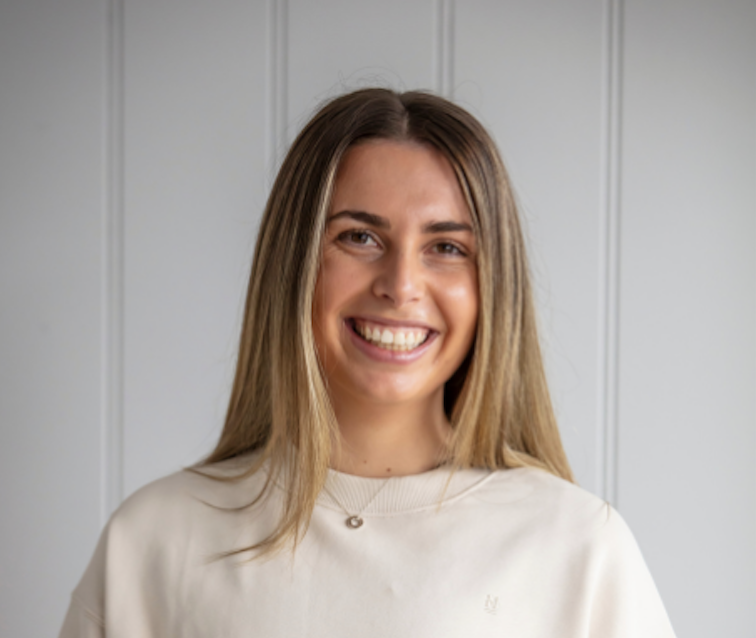
Senior Women’s Health Physiotherapist
Emily has a deep passion for empowering women to take control of their pelvic health. She creates a warm, judgement-free space where you can talk openly about what’s really going on.
With advanced training in pelvic floor rehabilitation, Emily treats a wide range of conditions including incontinence, prolapse, pelvic pain, and pregnancy-related concerns. She takes the time to really listen, explain what’s happening in your body, and build a treatment plan that fits your life. Whether you’re preparing for birth, recovering postpartum, or navigating menopause — Emily is here to help you feel strong and confident again.

Women’s Health Physiotherapist
Tori is passionate about helping women feel heard and supported through every stage of life. She combines clinical expertise with genuine empathy to deliver care that makes a real difference.
Tori brings a holistic, evidence-based approach to treating pelvic floor dysfunction, pregnancy-related pain, and postnatal recovery. She has a special interest in helping women return to exercise safely after having a baby and supporting those with persistent pelvic pain. Tori believes every woman deserves to understand her body and feel empowered in her recovery — no topic is too awkward, and no concern is too small.