Women's Health Physiotherapy - 20/05/2026

Pregnancy and childbirth are incredible experiences, but they are also some of the most physically demanding events your body will ever go through. Whether you had a vaginal birth or a caesarean, it’s common to feel different afterwards—your core might feel weaker, your posture may have changed, and your pelvic floor may not be functioning as it once did.
Too often, women are told that leaking, pain, or weakness after birth are things they “just have to live with.” At All for One, we want you to know: these issues are common, but they are not normal and they are absolutely treatable. Postnatal physiotherapy provides the care, knowledge, and support your body needs to recover and thrive.
The postnatal period is sometimes called the “fourth trimester,” and for good reason. Your body is still healing, your hormones are shifting, and you are adjusting to life with a newborn. During this time, many women experience:
Pelvic floor weakness: leaking when you cough, sneeze, or run, or a sense of heaviness.
Abdominal separation (diastasis recti): a gap between the abdominal muscles that affects strength, stability, and posture.
Back, hip, or pelvic pain: often from postural changes, muscle weakness, or birth-related trauma.
C-section or perineal scar pain: discomfort or tightness that can restrict movement.
Sexual pain or discomfort: due to scar tissue, muscle tension, or hormonal changes.
Fatigue and low energy: made worse by sleep disruption and physical recovery.
When left unaddressed, these concerns can persist for years, affecting confidence, activity levels, and long-term health.
Women’s health physiotherapists are specifically trained to help you restore function and rebuild strength after pregnancy and birth. Here’s how we help:
Pelvic Floor Rehabilitation
The pelvic floor muscles stretch significantly during pregnancy and birth. Physiotherapy can assess their strength and function, then guide you through tailored exercises to:
Prevent or treat incontinence
Reduce risk of prolapse
Improve sexual function
Restore confidence in movement
Core and Abdominal Recovery
We check for abdominal separation (diastasis recti) and help you safely rebuild your core. This isn’t about sit-ups or planks—in fact, the wrong exercises can make things worse. Instead, we use evidence-based, gentle progressions to restore stability and support your spine.
Pain Management and Posture Correction
Caring for a newborn often means hours of feeding, rocking, and carrying. This can strain your back, shoulders, and hips. Physiotherapy uses hands-on treatment, stretches, and strengthening to reduce pain and restore balance.
Scar Care
Caesarean and perineal scars can sometimes feel tight, numb, or painful. Physiotherapists use gentle massage, mobilisation, and education to improve scar flexibility and comfort.
Safe Return to Exercise
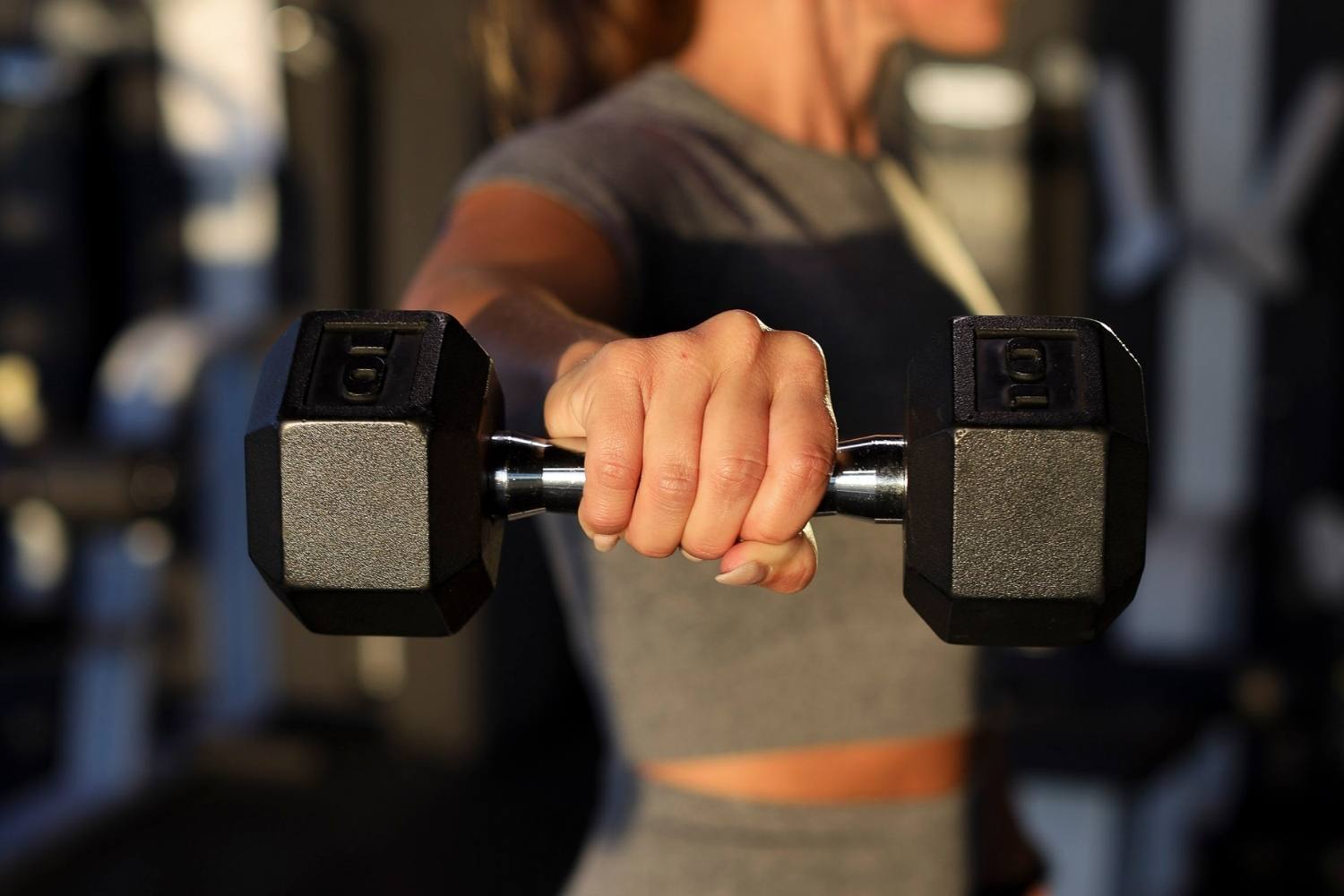
Many women are unsure when it’s safe to return to running, Pilates, or sport. Physiotherapy provides a structured plan, ensuring you reintroduce activity at the right pace for your recovery.
Pelvic floor physiotherapy reduces urinary incontinence by up to 70% when started in the early postnatal period.
Supervised postnatal exercise programs improve abdominal strength and function more effectively than unsupervised home programs.
Women who receive postnatal physiotherapy report better quality of life, greater confidence, and faster return to exercise than those who don’t seek treatment.
Early physiotherapy interventions can reduce risk of long-term pelvic organ prolapse, protecting health well into later life.
Whether or not you’re seeing a physio right now, here are some gentle steps you can take to support your recovery:
Rest when you can: Healing takes energy. Short naps matter.
Avoid heavy lifting early on: Including prams, laundry baskets, or even toddlers—ask for help.
Start with gentle pelvic floor exercises: A physio can teach you how to do them correctly.
Work on posture: Try to sit upright while feeding and change positions regularly.
Hydrate and nourish: Adequate water and a fibre-rich diet support healing and reduce constipation, which puts strain on the pelvic floor.
Move gently: Walking, stretching, and light mobility can boost circulation and mood.
Postnatal recovery is not about “getting your body back.” It’s about caring for the body you have now—restoring its strength, healing its tissues, and giving it the support it deserves after everything it has accomplished.
Physiotherapy is there to guide you every step of the way. With the right help, you can prevent long-term issues, rebuild strength, and feel confident in your body again.
If you’re experiencing pelvic floor symptoms, back or pelvic pain, or just want reassurance that your recovery is on track, book an appointment with one of our women’s health physiotherapists. These issues are common, but they are not something you have to live with.
Women's Health Physiotherapy - 20/05/2026
Women's Health Physiotherapy - 20/05/2026
Specialist care from physios who truly understand women’s bodies.

Women’s Health Physiotherapist
Emily has a deep passion for empowering women to take control of their pelvic health. She creates a warm, judgement-free space where you can talk openly about what’s really going on.
With advanced training in pelvic floor rehabilitation, Emily treats a wide range of conditions including incontinence, prolapse, pelvic pain, and pregnancy-related concerns. She takes the time to really listen, explain what’s happening in your body, and build a treatment plan that fits your life. Whether you’re preparing for birth, recovering postpartum, or navigating menopause — Emily is here to help you feel strong and confident again.

Women’s Health Physiotherapist
Tori is passionate about helping women feel heard and supported through every stage of life. She combines clinical expertise with genuine empathy to deliver care that makes a real difference.
Tori brings a holistic, evidence-based approach to treating pelvic floor dysfunction, pregnancy-related pain, and postnatal recovery. She has a special interest in helping women return to exercise safely after having a baby and supporting those with persistent pelvic pain. Tori believes every woman deserves to understand her body and feel empowered in her recovery — no topic is too awkward, and no concern is too small.