All in - 10/03/2026

Magnesium, sleep and muscle soreness — what the evidence actually says
Everyone’s talking about magnesium. But does it actually work for sleep and recovery — and are you even taking the right kind? Here’s what the evidence says, without the wellness hype.
If you’ve ever found yourself down a rabbit hole at 11pm buying magnesium supplements, you’re not alone. It’s one of the most talked-about minerals in the wellness space right now — and for good reason. But with so many forms, so many claims and so many products on the shelf, it can be hard to know what’s actually worth your attention.
So let’s cut through the noise.
What magnesium actually does
Magnesium is involved in over 300 processes in the body. That’s not marketing language — it’s biochemistry. It plays a role in muscle contraction and relaxation, nerve function, energy production, blood sugar regulation and protein synthesis. It also has a direct relationship with sleep, stress and recovery.
The problem is that many active people — particularly those who are training regularly, under stress, or navigating significant hormonal changes — are running low without realising it. Magnesium is depleted by sweat, alcohol, high sugar intake and chronic stress. So if life is full-on, your stores are likely taking a hit.
The sleep connection
This is where the evidence gets interesting. Magnesium plays a key role in regulating the nervous system, helping shift the body from a state of alertness into one that’s ready for rest. It supports the production of GABA — a neurotransmitter that quiets neural activity and makes sleep feel possible rather than elusive.
Research has shown that magnesium supplementation can improve sleep quality, reduce the time it takes to fall asleep and help with early morning waking — particularly in adults over 40. If you’re lying there with a busy mind and a body that won’t settle, low magnesium could be part of the picture.
What about muscle soreness?
There’s solid evidence here too. Magnesium is essential for muscle relaxation — without enough of it, muscles are more prone to cramping, tightness and delayed recovery. Studies have found that adequate magnesium levels are associated with reduced muscle soreness after exercise and faster recovery between sessions.
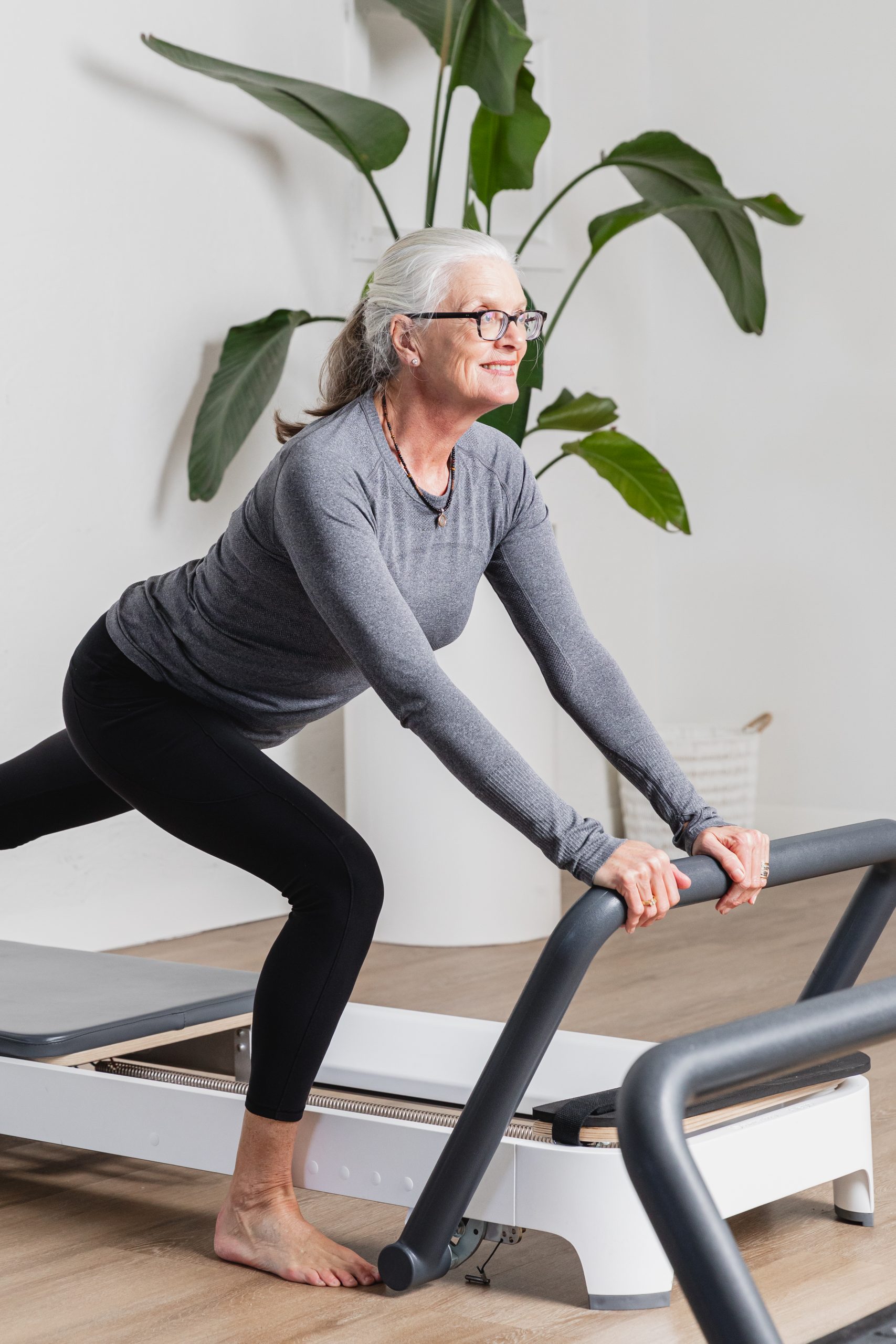
This matters especially if you’re doing reformer Pilates, strength work or any regular training. The harder you work your body, the more magnesium you burn through — and the more important it becomes to replenish it.
Not all magnesium is the same
This is the part that gets confusing at the chemist. The form of magnesium matters enormously.
Magnesium glycinate is generally considered the best option for sleep and anxiety — it’s highly absorbable and gentle on the gut. Magnesium citrate is well absorbed and good for general supplementation and muscle function. Magnesium oxide — the cheapest and most common form in supermarket supplements — has very low absorption and is largely a waste of money for anything other than digestive relief.
If you’ve tried magnesium before and felt like it didn’t do much, the form you were taking could be why.
What about magnesium oil, sprays and bath flakes?
Topical magnesium has become increasingly popular — sprays, oils and bath flakes that promise to absorb through the skin directly into sore muscles. The idea is appealing, especially after a hard session. But the evidence here is more mixed.
The skin is a fairly effective barrier, and research suggests that transdermal absorption of magnesium is limited and highly variable between individuals. That said, there’s reasonable evidence that magnesium bath soaks — particularly with magnesium sulfate (Epsom salts) or magnesium chloride flakes — can have a localised relaxing effect on muscles and may support recovery after exercise, even if they’re not dramatically raising your overall magnesium levels.
In other words, a magnesium bath after a tough session is genuinely pleasant and probably doing something useful — just don’t rely on it as your primary source. If you’re looking to address sleep or systemic deficiency, oral supplementation is a more reliable route.
One place where topical magnesium does seem to earn its keep: applying a magnesium spray or oil directly to an area of cramping or tension before bed. Anecdotally, a lot of people find this helpful, and while the science isn’t definitive, it’s low risk and worth trying.
Food first
Before you reach for a supplement, it’s worth knowing that magnesium is found in a lot of whole foods. Dark leafy greens, pumpkin seeds, almonds, dark chocolate, legumes and whole grains are all good sources. The challenge is that modern diets — and modern soil — often make it hard to get enough through food alone, particularly if you’re active.
What’s actually worth trying
If sleep is disrupted, you’re carrying muscle tension, or recovery feels harder than it should, magnesium glycinate taken in the evening is a reasonable, low-risk thing to try. Most people notice something within two to three weeks.
For sore muscles after training, a magnesium bath or a topical spray on the affected area is a reasonable addition — think of it as complementary rather than a replacement for the real thing.
That said, supplements work best as part of a bigger picture. Sleep quality, stress, movement, nutrition and recovery all talk to each other — which is exactly the kind of whole-picture thinking we bring to every person who walks through our door.
If you’d like to talk through your recovery or how your body is feeling more broadly, our team is here for that conversation.
All in - 10/03/2026