Women's Health Physiotherapy - 21/08/2026
C-Section Recovery: Scar, Core and Pelvic Floor
What your caesarean scar does over the first year, when to start scar massage, and why your pelvic floor still needs checking.
READ MORE
Pregnancy is a transformative journey that brings physical, emotional, and lifestyle changes. Whether you’re planning to conceive, navigating pregnancy, or adjusting postnatally, maintaining an active lifestyle offers benefits for both you and your baby. Let’s explore how exercise during pregnancy, supported by expert guidelines and tailored care, can empower your experience.
Regular exercise during pregnancy improves cardiovascular health, reduces back pain, enhances mood, and supports a healthy weight (RANZCOG). Level 1 evidence highlights even more additional benefits:
Boosted Energy and Endurance
Regular movement enhances stamina, preparing you for labour and delivery by improving strength and endurance.
Reduced Risk of Complications
Exercise has been shown to lower the risk of gestational diabetes, preeclampsia, and excessive weight gain.
Improved Mental Well-being
Movement releases endorphins that combat anxiety and depression, promoting a balanced mindset through the hormonal changes of pregnancy and childbirth.
Enhanced Recovery Postpartum
Staying active helps maintain muscle tone and flexibility, making postpartum recovery smoother and reducing the risk of long-term complications.
Strengthened Abdominal Muscles
Targeted core exercises during pregnancy can help reduce the risk of developing diastasis recti abdominis (DRAM), a separation of the abdominal muscles. Strong abdominal muscles also play a critical role in supporting your spine and pelvis, improving posture, and reducing lower back pain.
Interestingly, recent evidence has found that core strength contributes to a more efficient second stage of labour by supporting the body during pushing, which may shorten this phase and reduce the need for medical interventions.
Safe and Supportive Exercises for Pregnancy
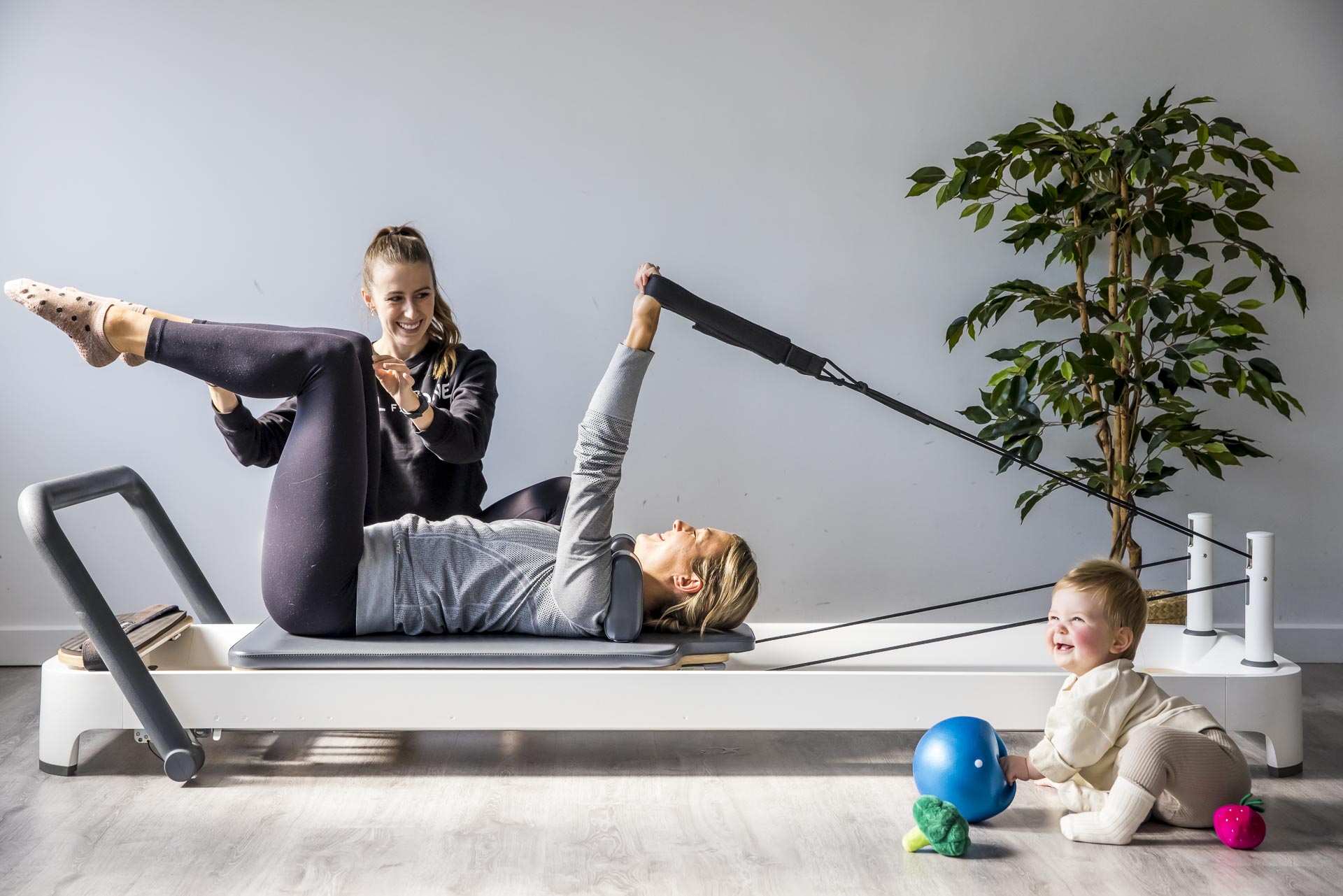
RANZCOG recommends at least 150 minutes of moderate-intensity physical activity weekly, with adjustments based on individual health and fitness levels. Activities like walking, swimming, and tailored yoga or Pilates are ideal during pregnancy. At All for One, we are specially trained in Prenatal Pilates, offering a safe, supportive environment to strengthen your core, improve posture, and reduce pelvic pain.
Prenatal Pilates:
These sessions focus on exercises that prepare your body for birth, including:
Exercising at All for One
What sets All for One apart is our holistic, community-focused approach. We offer small, personalised classes in a nurturing environment that feels like a home away from home. Our team of physiotherapists and fitness instructors design programs tailored to your unique pregnancy journey, ensuring every movement is safe and effective.
Here’s why mums-to-be choose us:
Frequently Asked Questions About Exercise During Pregnancy
When Should I Start Exercising?
It’s never too late to start. Whether you’re pre-conception or mid-pregnancy, we recommend all women partake in at least 2-3 times per week exercise classes unless otherwise prescribed by your doctor.
What Should I Wear?
Comfortable, stretchy clothes and supportive clothing. Barefoot or grip socks are suitable for our studio classes, otherwise supportive footwear is recommended for other group classes.
Can I Exercise If I Have Pregnancy Complications?
Conditions like gestational diabetes or high blood pressure can benefit from exercise, but modifications may be needed. Our physiotherapists can design a plan in consultation with your obstetrician.
At All for One, our mission is to enrich lives through movement, mindfulness, and community. Pregnancy is a unique time in your life, and we are here to support you every step of the way. Whether through Prenatal Pilates, yoga, or customised physiotherapy, we provide the tools you need to feel empowered, supported, and ready for the journey ahead.
Women's Health Physiotherapy - 21/08/2026
Women's Health Physiotherapy - 21/08/2026
What your caesarean scar does over the first year, when to start scar massage, and why your pelvic floor still needs checking.
READ MOREPrefer to talk? Yarraville (03) 8319 9945 · Hampton East (03) 9086 3740 · Kensington (03) 8319 9946
Please don’t include medical or health information in this form. For clinical questions or appointments, call your studio or book online. Your message goes straight to the studio you choose.
This site is protected by reCAPTCHA and the Google Privacy Policy and Terms of Service apply.

Specialist care from physios who truly understand women’s bodies.

Senior Women’s Health Physiotherapist
Emily has a deep passion for empowering women to take control of their pelvic health. She creates a warm, judgement-free space where you can talk openly about what’s really going on.
With advanced training in pelvic floor rehabilitation, Emily treats a wide range of conditions including incontinence, prolapse, pelvic pain, and pregnancy-related concerns. She takes the time to really listen, explain what’s happening in your body, and build a treatment plan that fits your life. Whether you’re preparing for birth, recovering postpartum, or navigating menopause — Emily is here to help you feel strong and confident again.

Women’s Health Physiotherapist
Tori is passionate about helping women feel heard and supported through every stage of life. She combines clinical expertise with genuine empathy to deliver care that makes a real difference.
Tori brings a holistic, evidence-based approach to treating pelvic floor dysfunction, pregnancy-related pain, and postnatal recovery. She has a special interest in helping women return to exercise safely after having a baby and supporting those with persistent pelvic pain. Tori believes every woman deserves to understand her body and feel empowered in her recovery — no topic is too awkward, and no concern is too small.