All in - 05/08/2026

The future of health and wellness is not louder, faster or more extreme. It is quieter, more considered and far more human.
Across research, clinical practice and lived experience, the direction is becoming clear. Health is moving away from short-term fixes and towards long-term capability: how well we move, recover, think and live over decades, not weeks.
Alongside these shifts, a new generation of products is emerging. Not as solutions on their own, but as supportive tools that help people understand their bodies, recover better and stay consistent.
Wellness is moving away from:
30-day challenges and rapid transformations
One-size-fits-all programs
Punitive approaches to movement and recovery
And towards:
Strength, mobility and resilience
Brain and nervous system health
Recovery as essential, not optional
Care that adapts with life stage and stress load
The most credible health products reflect this change. They are less about doing more, and more about supporting what already matters.
Exercise is increasingly recognised as a form of healthcare, not something to earn or compensate for.
Future-focused health models prioritise:
Strength for longevity and independence
Balance and coordination to reduce injury and cognitive decline
Variety to support joints, motivation and the nervous system
Movement that is intelligent, adaptable and enjoyable is more likely to be maintained, and more effective over time.
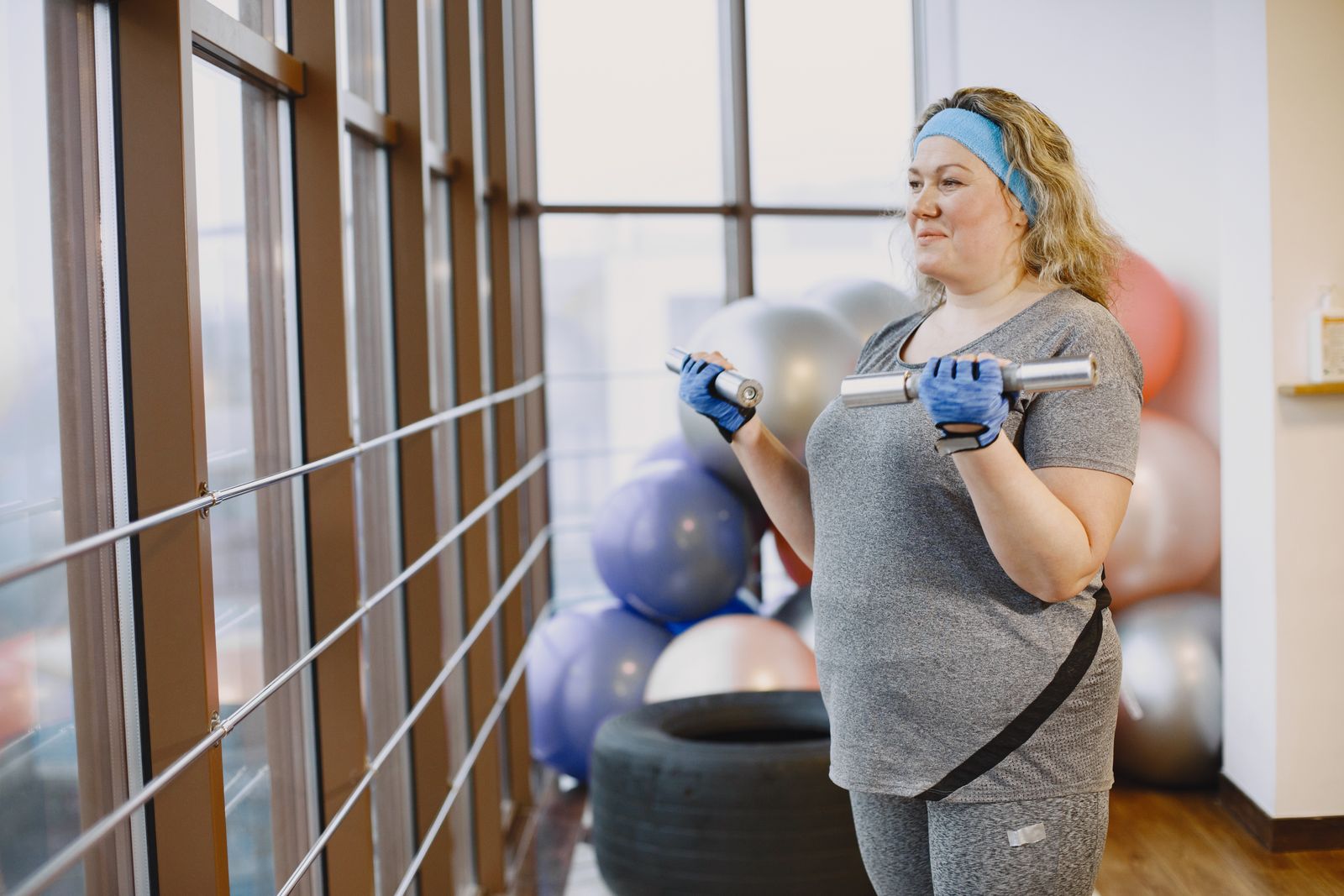
Strength training has moved from niche to non-negotiable.
Evidence links resistance training to:
Reduced risk of chronic disease
Improved bone density
Better cognitive health
Greater resilience with ageing
In the future of wellness, strength is not aesthetic or athletic. It is infrastructure for life.
One of the most important shifts in health and wellness is the growing focus on the nervous system.
Chronic stress and under-recovery are now recognised as drivers of:
Persistent pain
Sleep disruption
Hormonal imbalance
Burnout and mood changes
Future health environments support nervous system regulation through slower, controlled movement, adequate recovery, and spaces that feel safe and supportive.
As wellness evolves, products are following suit. The most interesting tools are not promising shortcuts. They are designed to support awareness, recovery and movement quality, and to complement, not replace, good care.
Below are products and product categories gaining attention for the right reasons.
What it focuses on
Oura prioritises internal recovery rather than output. Its latest generations focus on sleep quality, heart rate variability and long-term recovery trends.
Why it matters
Sleep and recovery are strongly linked to brain health, metabolic health and injury risk. Oura helps users notice patterns over time rather than reacting to daily fluctuations.
Best used for
People wanting insight into how stress, training and lifestyle affect recovery, without pressure to constantly do more.
What it focuses on
WHOOP tracks training strain, recovery readiness and sleep performance, alongside behaviours such as alcohol intake, travel and late nights.
Why it matters
Its strength lies in reframing performance as sustainability. Recovery is treated as part of progress, not a sign of weakness.
Best used for
Those training regularly, returning from injury or managing high workloads who need reminders that rest supports results.
What they focus on
Plantiga’s pressure-sensing insoles analyse gait and load distribution during real-world movement, not just in controlled environments.
Why it matters
Many injuries are driven by how load is managed over time. These insoles help identify movement patterns and asymmetries that are otherwise difficult to detect.
Best used for
Rehabilitation, return-to-work care and long-term injury prevention where movement quality is more important than volume.
What it focuses on
Muse uses EEG-based biofeedback to help users understand stress, focus and nervous system regulation during rest and meditation.
Why it matters
Brain and nervous system health underpin sleep, recovery, emotional regulation and physical performance. Muse helps make internal states more tangible.
Best used for
People learning how to regulate stress or build mindfulness skills, particularly those who find traditional meditation challenging.
What it focuses on
Eight Sleep combines temperature-regulated mattresses with sleep tracking to support deeper and more consistent sleep.
Why it matters
Sleep is active health maintenance. Poor sleep undermines physical recovery, cognitive health and metabolic function.
Best used for
Those struggling with sleep consistency, night-time overheating or recovery despite good training habits.
A clear theme runs through the future of health technology.
The most effective products:
Support awareness, not obsession
Encourage recovery, not exhaustion
Enhance professional guidance, not replace it
No product creates health on its own. These tools work best when layered on top of strong foundations.
Social connection is now recognised as a major determinant of long-term health, on par with movement and sleep.
Future wellness spaces prioritise:
Belonging and inclusion
Consistent, supportive relationships
Shared experiences that build confidence and accountability
Health does not happen in isolation. Community matters.
The future of health and wellness is not extreme or exclusive. It is thoughtful, evidence-led and adaptable.
It values:
Strength and mobility for life
Brain and nervous system health
Recovery as a non-negotiable
Personalised care over rigid rules
Technology that supports, not dominates
Health that lasts is not built through hacks or shortcuts. It is built through care, consistency and environments that support people over time.
The future of wellness is already here. It is quieter, smarter, and focused on what actually works for the long run.
All in - 05/08/2026
Prefer to talk? Yarraville (03) 8319 9945 · Hampton East (03) 9086 3740 · Kensington (03) 8319 9946
Please don’t include medical or health information in this form. For clinical questions or appointments, call your studio or book online. Your message goes straight to the studio you choose.
This site is protected by reCAPTCHA and the Google Privacy Policy and Terms of Service apply.

Specialist care from physios who truly understand women’s bodies.
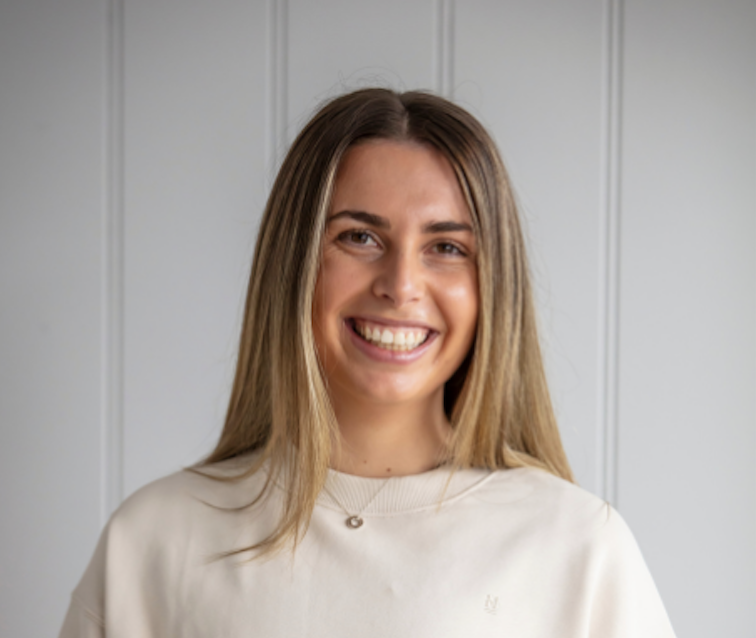
Senior Women’s Health Physiotherapist
Emily has a deep passion for empowering women to take control of their pelvic health. She creates a warm, judgement-free space where you can talk openly about what’s really going on.
With advanced training in pelvic floor rehabilitation, Emily treats a wide range of conditions including incontinence, prolapse, pelvic pain, and pregnancy-related concerns. She takes the time to really listen, explain what’s happening in your body, and build a treatment plan that fits your life. Whether you’re preparing for birth, recovering postpartum, or navigating menopause — Emily is here to help you feel strong and confident again.

Women’s Health Physiotherapist
Tori is passionate about helping women feel heard and supported through every stage of life. She combines clinical expertise with genuine empathy to deliver care that makes a real difference.
Tori brings a holistic, evidence-based approach to treating pelvic floor dysfunction, pregnancy-related pain, and postnatal recovery. She has a special interest in helping women return to exercise safely after having a baby and supporting those with persistent pelvic pain. Tori believes every woman deserves to understand her body and feel empowered in her recovery — no topic is too awkward, and no concern is too small.