All in - 05/08/2026

Most people don’t struggle to start new habits.
They struggle to keep them.
Gym memberships, morning routines, healthier eating, regular movement — the intention is usually there. What tends to fall away isn’t willpower, but sustainability. And research suggests the issue isn’t motivation at all. It’s identity.
Lasting habits are less about what you do occasionally, and more about who you believe yourself to be.
One of the strongest predictors of long-term behaviour change is identity-based habits.
Instead of asking, “What do I want to achieve?”
A more effective question is, “Who do I want to become?”
For example:
Not “I want to exercise more,” but “I’m someone who moves regularly.”
Not “I want less pain,” but “I’m someone who looks after my body.”
Not “I should be healthier,” but “I value my health and act accordingly.”
When behaviours align with identity, they require less effort. You’re no longer relying on motivation, you’re simply acting in line with how you see yourself.
Small actions, repeated consistently, are what reinforce this identity over time.
Research consistently shows that smaller, more achievable habits are more likely to stick than ambitious ones.
Big goals can feel inspiring, but they’re also easy to abandon when life gets busy. Smaller habits lower the barrier to entry and make consistency more achievable.
Five minutes of movement.
One intentional walk a week.
One protein-rich snack a day.
These actions might feel insignificant, but they’re powerful because they’re repeatable. Each repetition is a vote for the identity you’re building.
One of the most effective habit strategies is habit stacking: attaching a new behaviour to something you already do.
For example:
Stretch while the kettle boils
Do your exercises after brushing your teeth
Prep snacks while making dinner
This works because it removes the need to remember or decide. The habit becomes part of an existing pattern, rather than something extra you have to fit in.
The easier a habit is to start, the more likely it is to continue.
Habits don’t exist in isolation. They’re heavily influenced by environment.
What’s visible, accessible, and convenient tends to get used. What’s hidden, complicated, or requires effort tends to get skipped.
Simple changes like:
Leaving your exercise mat out
Keeping supportive snacks within reach
Booking sessions in advance
These reduce friction and make the “right” choice the easy one. This isn’t about discipline, it’s about designing your environment to support the habits you want.
Missing a day doesn’t undo progress.
Giving up because of it often does.
Research shows that long-term success comes from returning to habits after disruption, not maintaining perfect streaks. Life will interrupt routines. That’s normal.
The goal isn’t to never miss.
It’s to come back without judgement.
When habits are tied to identity rather than outcomes, they’re easier to resume. You’re not “starting again”, you’re continuing as the kind of person you already are.
Behaviour change is easier when it’s supported.
Accountability, guidance, and feeling understood all increase the likelihood of follow-through. This might look like working with a professional, joining a class, or being part of a community where your habits are normal and encouraged.
We’re far more likely to maintain behaviours when they’re shared, supported, and reinforced by the people around us.
Lasting habits aren’t created through pressure or guilt.
They’re built through clarity, repetition, and self-trust.
When habits reflect who you are and what you value, they stop feeling like things you should do, and start feeling like things you just do.
And that’s where real, sustainable change happens.
All in - 05/08/2026
Prefer to talk? Yarraville (03) 8319 9945 · Hampton East (03) 9086 3740 · Kensington (03) 8319 9946
Please don’t include medical or health information in this form. For clinical questions or appointments, call your studio or book online. Your message goes straight to the studio you choose.
This site is protected by reCAPTCHA and the Google Privacy Policy and Terms of Service apply.

Specialist care from physios who truly understand women’s bodies.
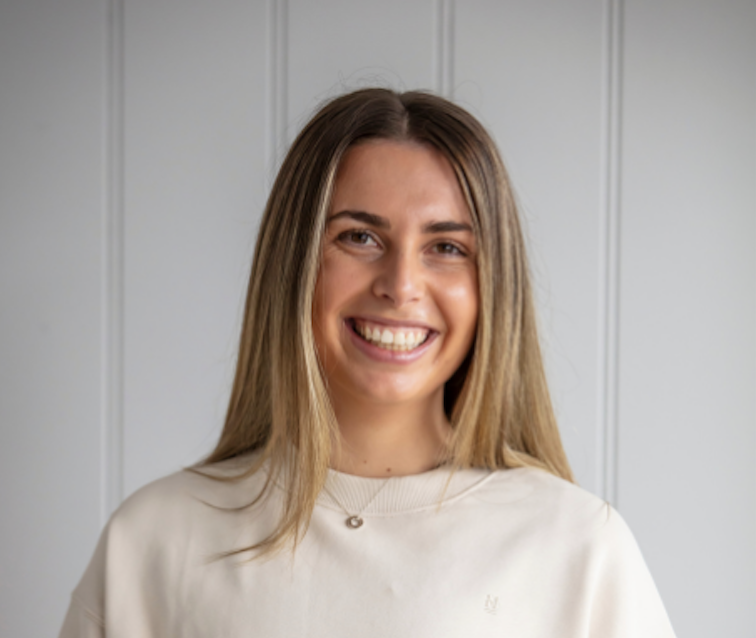
Senior Women’s Health Physiotherapist
Emily has a deep passion for empowering women to take control of their pelvic health. She creates a warm, judgement-free space where you can talk openly about what’s really going on.
With advanced training in pelvic floor rehabilitation, Emily treats a wide range of conditions including incontinence, prolapse, pelvic pain, and pregnancy-related concerns. She takes the time to really listen, explain what’s happening in your body, and build a treatment plan that fits your life. Whether you’re preparing for birth, recovering postpartum, or navigating menopause — Emily is here to help you feel strong and confident again.

Women’s Health Physiotherapist
Tori is passionate about helping women feel heard and supported through every stage of life. She combines clinical expertise with genuine empathy to deliver care that makes a real difference.
Tori brings a holistic, evidence-based approach to treating pelvic floor dysfunction, pregnancy-related pain, and postnatal recovery. She has a special interest in helping women return to exercise safely after having a baby and supporting those with persistent pelvic pain. Tori believes every woman deserves to understand her body and feel empowered in her recovery — no topic is too awkward, and no concern is too small.