All in - 05/08/2026

When most people think of protein, they picture gym sessions, muscle gains or post-workout shakes. But protein isn’t just for athletes—it’s essential for everyone, every day.
Whether you’re building strength, navigating hormonal changes, recovering from injury or just trying to feel more energised, getting enough protein can make all the difference. And at All for One, we often see clients—especially women—under-eating protein without even realising it.
Let’s break down why protein matters, how much you actually need, how your needs change across life stages, and how to know if you’re falling short.
Protein is involved in nearly every critical process in the body—not just building muscle.
Protein supports:
Tissue repair (essential for recovery and injury prevention)
Hormone production, including insulin, cortisol and sex hormones
Immune function, helping you fight infection and recover faster
Blood sugar regulation, stabilising energy and mood
Neurotransmitter health, impacting sleep, focus and emotional regulation
If you’re not eating enough, your body will start breaking down muscle to keep these systems running.
The commonly cited RDA (Recommended Dietary Allowance) for protein is 0.8g per kilogram of body weight per day—but it’s important to understand what that number really means.
The RDA was set to prevent deficiency, not to support optimal health, recovery, or performance. For many people, especially women, this baseline falls well short of what’s needed to thrive—particularly if you’re active, managing stress, navigating hormonal changes, or aiming to build or maintain muscle.
Emerging research and clinical practice now support a higher daily intake of 1.2 to 2.0g/kg of body weight, depending on your life stage, training load, and health goals.
Here’s why that higher range matters:
Promotes muscle retention and growth, especially during ageing or weight loss
Supports hormone balance, including oestrogen and insulin sensitivity
Improves recovery from injury, illness, or training
Enhances immune function, mood regulation, and metabolic health
Helps regulate appetite and cravings, supporting long-term body composition goals
For example, a 70kg woman would benefit more from aiming for 85–120g of protein per day, not just the bare minimum of 56g. And that protein should ideally be distributed across all meals and snacks, not loaded into one sitting.
In short: more protein isn’t just safe—it’s often exactly what your body needs to perform, recover and age well.
You might need to increase your intake if you experience:
Muscle weakness or loss
Poor recovery after training or injury
Persistent fatigue or “brain fog”
Cravings or unstable blood sugar
Hair thinning, brittle nails, or poor skin healing
Frequent infections or slow wound recovery
Difficulty maintaining muscle or losing fat
A key time to build lean muscle, support stress resilience, and lay the foundations for lifelong strength. Protein helps you recover faster and adapt better to training.
Muscle mass naturally declines (sarcopenia), especially in women during perimenopause. More protein, paired with strength training, helps support muscle, mood, metabolism and bone density.
Higher protein intake helps maintain independence, mobility, and reduces risk of falls and frailty.
Protein needs increase to support tissue growth, hormone production and milk supply. Whole food protein and targeted supplementation can help meet this demand.
Throughout the menstrual cycle, your body’s protein needs may fluctuate slightly.
Follicular phase (Day 1–14): You’re often more insulin-sensitive and stronger—ideal for strength training. Focus on consistent protein to support lean tissue gains.
Luteal phase (Day 15–28): With inflammation and slower recovery more likely, a slight increase in protein can help ease cravings, balance mood, and support tissue repair.
It’s not always easy to hit your daily target—especially if you’re on the go or don’t eat a lot of meat and dairy. That’s where supplementing comes in.
We stock True Protein because:
It’s made from high-quality ingredients, without artificial fillers
It’s gut-friendly and easy to digest
It comes in both whey and plant-based options
It blends easily into smoothies, oats or yoghurt—perfect for busy mornings or post-class recovery
Our team can help you choose the right type and serving size to suit your goals.
You can use ChatGPT as a tool to estimate your needs and check the protein content of your meals. Here’s how:
Ask ChatGPT:
“How much protein should I eat daily if I’m 70kg, active, and want to build muscle?”
Or:
“I’m 65kg, perimenopausal, and do Pilates twice a week. How much protein should I aim for?”
ChatGPT will give you a range based on your weight, activity level and goals (usually 1.2–2.0g/kg/day).
Send a photo of your food, a nutrition label, or just a description, and ask:
“How much protein is in this?”
“Here’s what I ate for breakfast—how much protein is that?”
ChatGPT can help estimate protein in each item and show you how it adds up through the day.
If you’re not quite meeting your target, ask for quick options:
“Give me 3 high-protein snacks with no prep.”
“What can I add to lunch to increase protein without meat?”
“Can you make a smoothie with 30g of protein using almond milk?”
You’ll get fast, practical ideas that match your needs.
Protein is more than just a fitness buzzword—it’s one of the most powerful tools for strength, recovery, hormone health, immune resilience and healthy ageing.
Whether you’re building, healing or simply maintaining, making protein a priority is one of the simplest ways to support your whole body, every day.
If you’d like guidance on protein intake, movement, or recovery, our All for One team is here to help—so you can fuel your goals, your way.
All in - 05/08/2026
Prefer to talk? Yarraville (03) 8319 9945 · Hampton East (03) 9086 3740 · Kensington (03) 8319 9946
Please don’t include medical or health information in this form. For clinical questions or appointments, call your studio or book online. Your message goes straight to the studio you choose.
This site is protected by reCAPTCHA and the Google Privacy Policy and Terms of Service apply.

Specialist care from physios who truly understand women’s bodies.
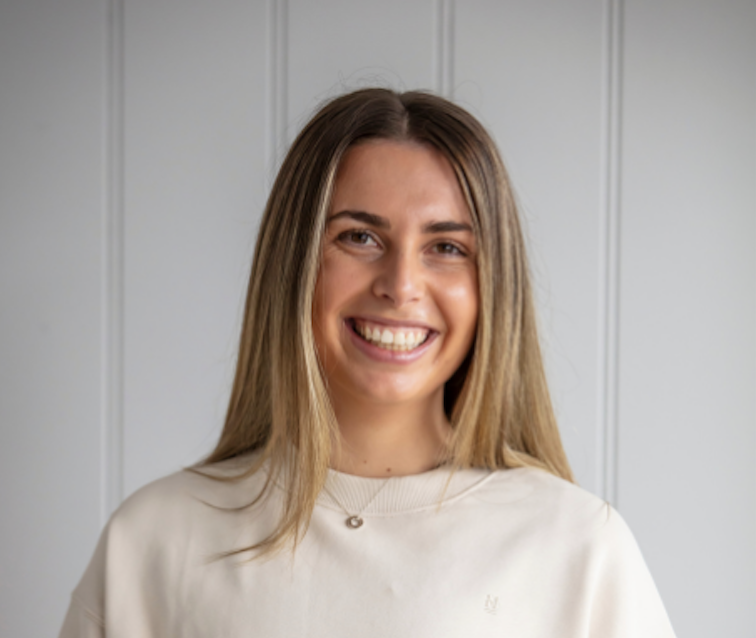
Senior Women’s Health Physiotherapist
Emily has a deep passion for empowering women to take control of their pelvic health. She creates a warm, judgement-free space where you can talk openly about what’s really going on.
With advanced training in pelvic floor rehabilitation, Emily treats a wide range of conditions including incontinence, prolapse, pelvic pain, and pregnancy-related concerns. She takes the time to really listen, explain what’s happening in your body, and build a treatment plan that fits your life. Whether you’re preparing for birth, recovering postpartum, or navigating menopause — Emily is here to help you feel strong and confident again.

Women’s Health Physiotherapist
Tori is passionate about helping women feel heard and supported through every stage of life. She combines clinical expertise with genuine empathy to deliver care that makes a real difference.
Tori brings a holistic, evidence-based approach to treating pelvic floor dysfunction, pregnancy-related pain, and postnatal recovery. She has a special interest in helping women return to exercise safely after having a baby and supporting those with persistent pelvic pain. Tori believes every woman deserves to understand her body and feel empowered in her recovery — no topic is too awkward, and no concern is too small.