All in - 05/08/2026


It’s one of the biggest questions we hear in studio: “How do I keep my mind sharp as I get older?”
A new study—the largest of its kind—might have some answers. And the good news? The steps are simple, accessible, and already part of how many in our community move through their week.
The US POINTER trial, presented recently at the Alzheimer’s Association International Conference, followed over 2,000 adults aged 60–79 who were at risk of cognitive decline. The aim? To find out whether lifestyle changes—not medication—could improve brain health.
Participants were guided through a program that focused on five core areas:
Movement (aerobic, resistance, balance)
Diet (following a brain-focused “MIND” diet)
Cognitive training
Social connection
Cardiovascular health
After two years, researchers found that both structured and self-guided groups showed cognitive improvement—with those in the structured group showing slightly more benefit. But perhaps the most encouraging finding was this: consistency, community and gentle guidance mattered most.
We often think of brain health as something out of our control—something determined by genetics or chance. But this research suggests otherwise.
Here’s what science is now telling us actually makes a difference:
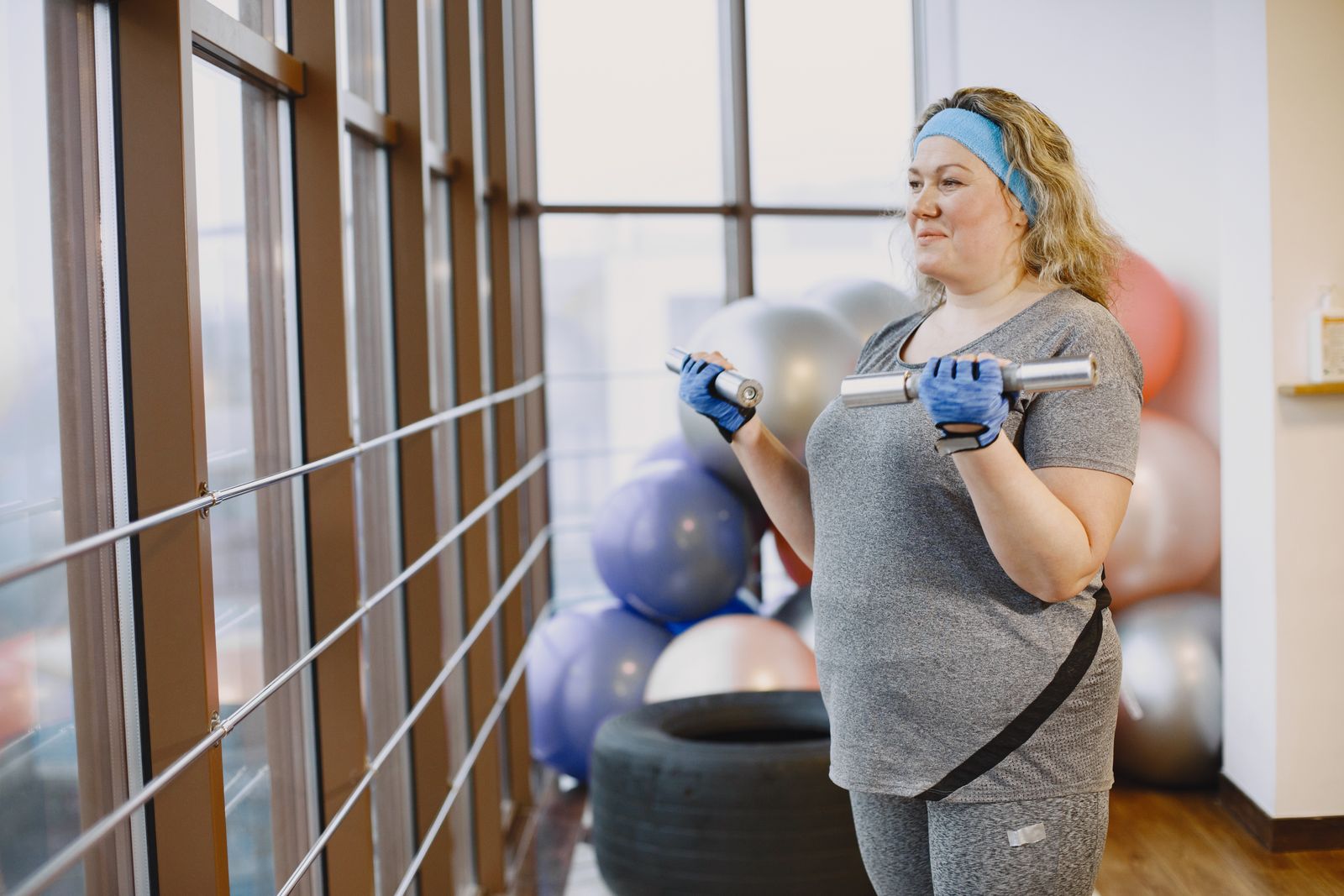
Movement matters. But it doesn’t need to be intense. The study included walking, stretching, balance training and light resistance work—all of which helped improve thinking and memory. The key? Moving more days than not, and sticking with it.
The “MIND” diet—used in the study—emphasises whole foods: leafy greens, berries, olive oil, whole grains, legumes, and a light touch with meat and sweets. It’s not about perfection. It’s about nourishing your brain with foods that reduce inflammation and support vascular health.
Our brains thrive on novelty. Cognitive training in the study included digital brain games, but the benefits may also come from any activity that demands focus and learning. Learning new movements, adapting posture, or remembering sequences in a class all count.
Loneliness is now considered a major risk factor for cognitive decline. But you don’t need a packed calendar. A regular class, a familiar community, or shared conversations are powerful protectors. The study showed that simply being around others with a shared purpose made participants feel supported, engaged, and accountable.
What made the structured group more successful? Not just the instructions—but the ongoing support. Meeting with facilitators, checking in with peers, having someone to walk the journey with. Progress was never about willpower alone. It was about partnership.
There is no one-size-fits-all “brain health plan.” But this study shows that a mix of gentle movement, nutritious food, social connection and regular cognitive engagement can make a meaningful difference.
The most important part? Start where you are. Even ten minutes a day of movement made a difference for some participants. What matters is that you begin—and that you keep going, surrounded by people who care.
If you’re reading this and thinking, “This feels familiar,” that’s because it is. These principles are already lived out, every day, in our community. Not because they’re trendy, but because they’re backed by evidence, shaped by compassion, and centred on long-term health.
No big changes. Just small, consistent ones. Taken together, they protect the most important muscle of all.
All in - 05/08/2026
Prefer to talk? Yarraville (03) 8319 9945 · Hampton East (03) 9086 3740 · Kensington (03) 8319 9946
Please don’t include medical or health information in this form. For clinical questions or appointments, call your studio or book online. Your message goes straight to the studio you choose.
This site is protected by reCAPTCHA and the Google Privacy Policy and Terms of Service apply.

Specialist care from physios who truly understand women’s bodies.

Senior Women’s Health Physiotherapist
Emily has a deep passion for empowering women to take control of their pelvic health. She creates a warm, judgement-free space where you can talk openly about what’s really going on.
With advanced training in pelvic floor rehabilitation, Emily treats a wide range of conditions including incontinence, prolapse, pelvic pain, and pregnancy-related concerns. She takes the time to really listen, explain what’s happening in your body, and build a treatment plan that fits your life. Whether you’re preparing for birth, recovering postpartum, or navigating menopause — Emily is here to help you feel strong and confident again.

Women’s Health Physiotherapist
Tori is passionate about helping women feel heard and supported through every stage of life. She combines clinical expertise with genuine empathy to deliver care that makes a real difference.
Tori brings a holistic, evidence-based approach to treating pelvic floor dysfunction, pregnancy-related pain, and postnatal recovery. She has a special interest in helping women return to exercise safely after having a baby and supporting those with persistent pelvic pain. Tori believes every woman deserves to understand her body and feel empowered in her recovery — no topic is too awkward, and no concern is too small.