Physiotherapy - 15/08/2026

Running should feel empowering—not painful. Whether you’re just starting out or training for your next marathon, it’s important to understand common running injuries, how to spot the early signs, and most importantly, how to prevent them.
Our expert physiotherapists at All for One are here to support you with evidence-based, personalised care—so you can keep running stronger, longer.
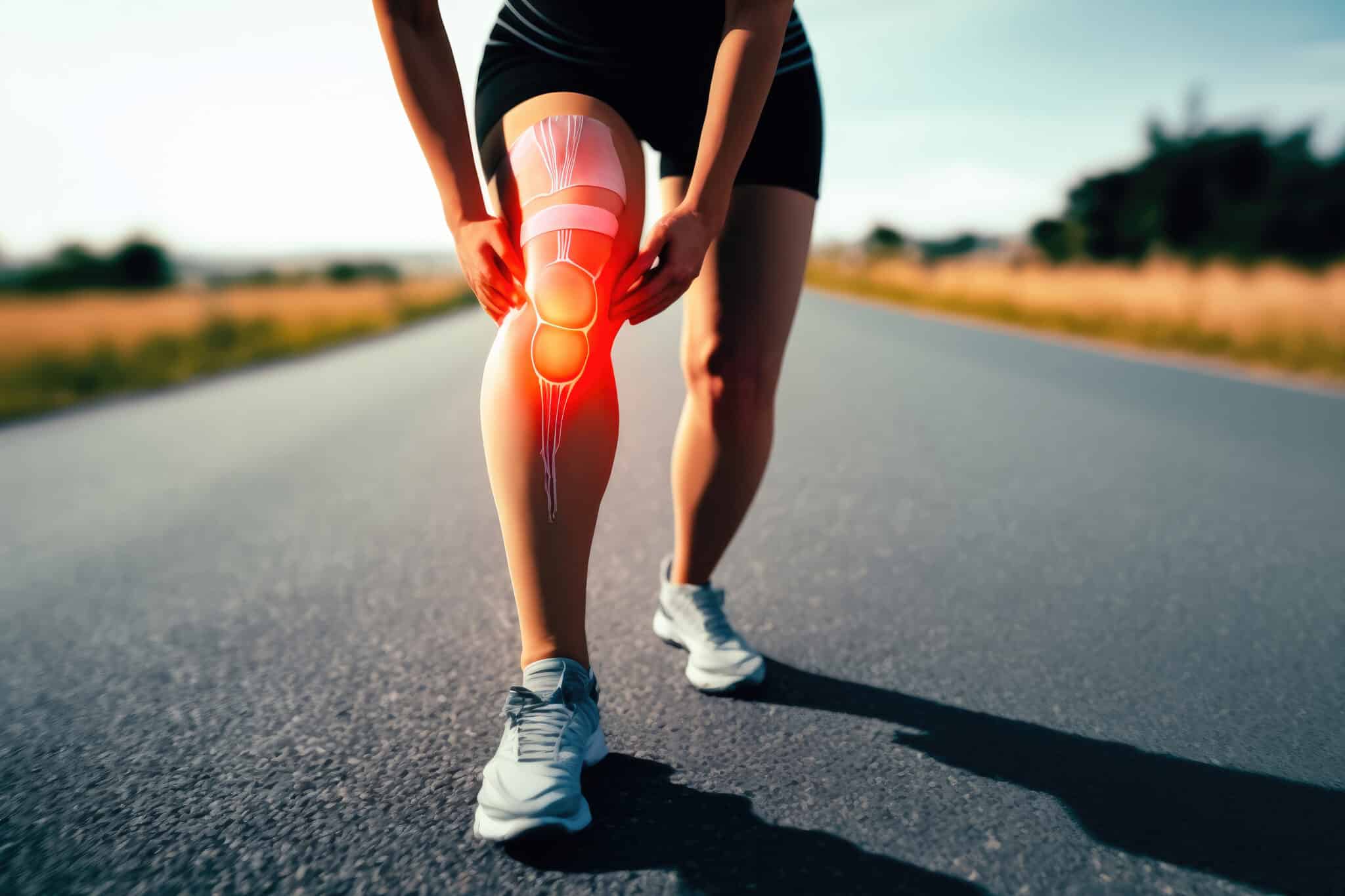
Below are some of the injuries we see most often in runners. Each has its own causes, symptoms, and management strategies:
Shin splints are one of the most common overuse injuries in runners. They result from inflammation of the muscles and tendons around the shinbone, usually caused by a sudden increase in training volume.
Symptoms:
Pain or tenderness along the shin
Swelling or a dull ache during or after running
Treatment & Prevention:
Initial management includes rest, ice, and possibly anti-inflammatories. Long-term care focuses on strengthening the muscles and gradually building up training intensity to avoid recurrence.
This condition affects the thick band of tissue under your foot. It’s often caused by repetitive impact or changes in training, footwear, or foot mechanics.
Symptoms:
Sharp pain in the heel or arch, especially first thing in the morning
A sensation like a pebble in your shoe
Treatment & Prevention:
Mobility and strength work, supportive footwear, orthotics, or manual therapy may be recommended. Nutritional support and collagen health may also play a role in healing.
Runner’s knee occurs when the kneecap doesn’t move properly in its groove, often due to muscle imbalances or poor biomechanics.
Symptoms:
Pain around the kneecap
Clicking, grinding, or stiffness
Treatment & Prevention:
Start with rest and inflammation control. Then, a personalised rehab plan focuses on strengthening the surrounding muscles and correcting any movement patterns.
Pain on the outside of the knee? It might be your IT band. This long piece of connective tissue can become irritated from friction during repetitive movements.
Symptoms:
Sharp or pulling pain on the outer knee
Worsens with downhill running or prolonged activity
Treatment & Prevention:
Focus on addressing biomechanics and strengthening key muscle groups. Foam rolling may feel good, but it’s not a long-term solution.
Often triggered by increasing your training too quickly or poor running form, this condition involves inflammation or degeneration of the Achilles tendon.
Symptoms:
Pain or stiffness at the back of the heel
Worse in the morning or during/after a run
Treatment & Prevention:
Management involves reducing inflammation and progressively loading the tendon with strengthening exercises. Footwear adjustments or orthotics may help in more stubborn cases.
Stress fractures are tiny bone cracks caused by repetitive loading—especially when training ramps up too quickly.
Symptoms:
Persistent pain or swelling, especially with impact
Eases with rest
Treatment & Prevention:
Recovery typically includes rest and activity modification, followed by gradual reloading. Diagnosis may require imaging such as X-ray or MRI.
Most running injuries can be prevented with a combination of smart training, strength work, proper footwear, and recovery. Here’s how to stay one step ahead:
Start slow: Gradually build mileage and intensity
Warm up and cool down: Always
Strength train: Your body needs muscle support to handle the demands of running
Rest well: Recovery is just as important as your workouts
Listen to your body: Pain is a message, not a challenge
Need help staying injury-free or managing a niggle? Our experienced physiotherapists at Yarraville, Hampton East and Kensington can provide a detailed assessment and develop a plan that’s right for you.
Whether you’re managing a current injury or looking to optimise your running performance, we’re here to help. Book in at our Yarraville or Hampton East studio today for a full running assessment and personalised management plan.
Physiotherapy - 15/08/2026
Prefer to talk? Yarraville (03) 8319 9945 · Hampton East (03) 9086 3740 · Kensington (03) 8319 9946
Please don’t include medical or health information in this form. For clinical questions or appointments, call your studio or book online. Your message goes straight to the studio you choose.
This site is protected by reCAPTCHA and the Google Privacy Policy and Terms of Service apply.

Specialist care from physios who truly understand women’s bodies.

Senior Women’s Health Physiotherapist
Emily has a deep passion for empowering women to take control of their pelvic health. She creates a warm, judgement-free space where you can talk openly about what’s really going on.
With advanced training in pelvic floor rehabilitation, Emily treats a wide range of conditions including incontinence, prolapse, pelvic pain, and pregnancy-related concerns. She takes the time to really listen, explain what’s happening in your body, and build a treatment plan that fits your life. Whether you’re preparing for birth, recovering postpartum, or navigating menopause — Emily is here to help you feel strong and confident again.

Women’s Health Physiotherapist
Tori is passionate about helping women feel heard and supported through every stage of life. She combines clinical expertise with genuine empathy to deliver care that makes a real difference.
Tori brings a holistic, evidence-based approach to treating pelvic floor dysfunction, pregnancy-related pain, and postnatal recovery. She has a special interest in helping women return to exercise safely after having a baby and supporting those with persistent pelvic pain. Tori believes every woman deserves to understand her body and feel empowered in her recovery — no topic is too awkward, and no concern is too small.