Lifestyle - 10/12/2025

Bone health gets talked about a lot—but rarely with much depth. You’ve probably heard you need calcium, maybe some vitamin D, and that resistance training is “good.” But let’s go deeper. Because your bones deserve more than a dot point.
Bone isn’t just structural—it’s dynamic, living tissue. Inside every bone is a constant cycle of breakdown and rebuilding. This is how your skeleton adapts to the forces you put through it.
This cycle is called remodelling, and it’s influenced by:
Hormones (hello oestrogen, testosterone, cortisol)
Nutrients (calcium, vitamin D, protein)
Mechanical load (aka: movement that challenges your bones)
When this system works well, your body replaces old bone with new bone. But if breakdown exceeds rebuilding—because of age, low activity, poor nutrition, or hormonal changes—you start to lose bone density.
This process is silent. You won’t feel it—until you’re injured, diagnosed with osteopenia, or start noticing joint pain and reduced mobility.
To stimulate bone growth, you need something called mechanotransduction—the process by which mechanical load turns into a biological response.
Translation? Your bones only get stronger when they’re loaded enough to stimulate change. Not just any movement counts.
That means:
Bodyweight isn’t always enough—especially if you’re already strong
Walking is great for your health but won’t load the spine or hips enough to protect against age-related bone loss
Swimming and cycling are not bone-loading—they’re great for heart health, but not skeletal strength
Your bones love:
Heavy, low-rep resistance training: Think deadlifts, squats, lunges—movements that load the hips and spine in particular
Impact: Light jumping, hopping, or dancing can support bone stimulus
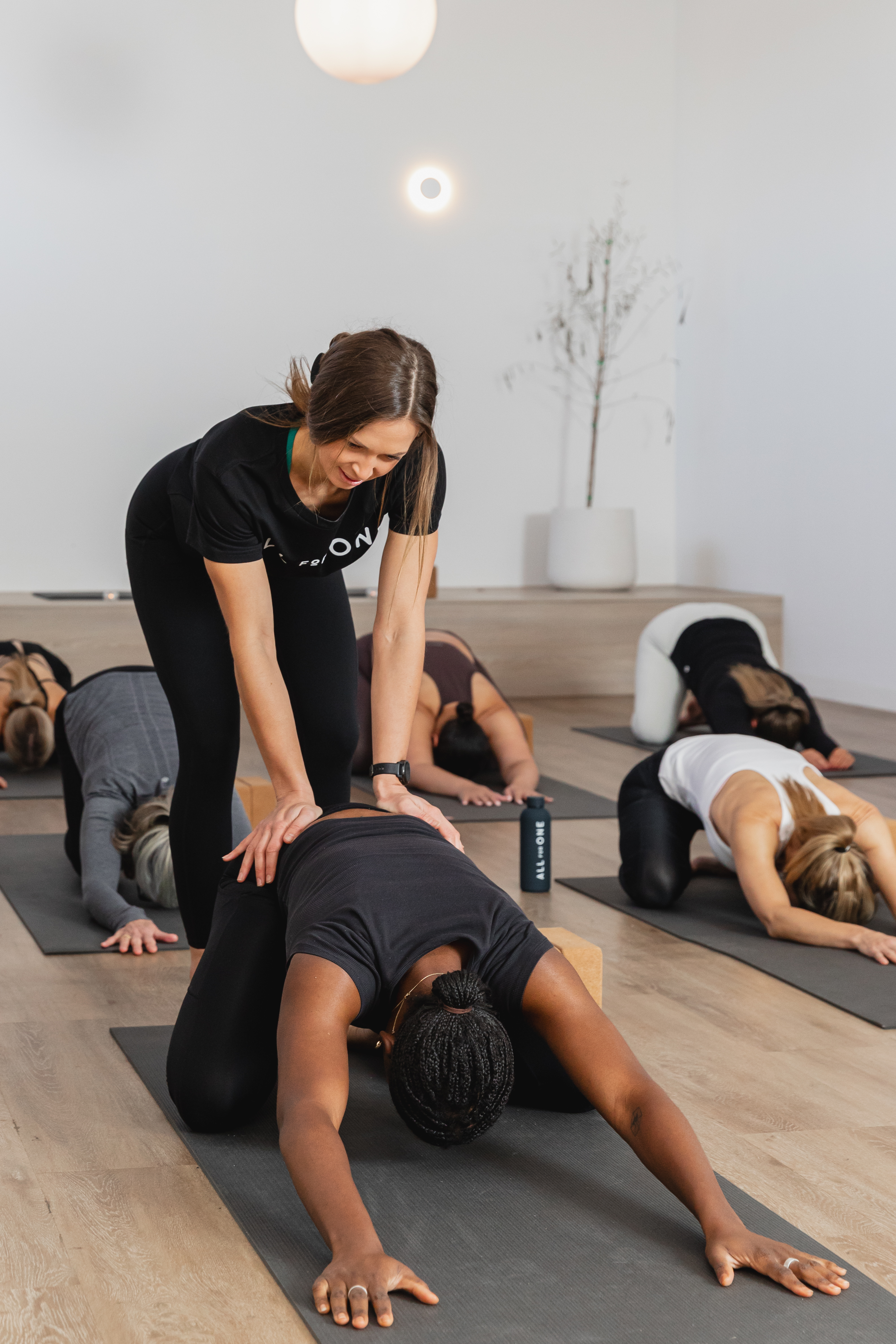
Unstable loading: This is where Pilates shines. Working through reformer resistance while managing postural control loads bones and challenges stabilisers
Multi-directional load: Yoga and Pilates sequences that move you through multiple planes help bones adapt to the kind of real-life challenges that actually prevent fractures
Let’s talk about things we see in clinic all the time that slowly reduce bone quality—especially in women:
Low energy availability (LEA): Not eating enough to fuel your activity = suppressed sex hormones = accelerated bone loss
Poor gut health: If you’re not absorbing nutrients, you can eat all the right things and still fall short
Chronic stress: Cortisol directly interferes with calcium absorption and bone formation
Restrictive diets: Long-term low-carb, low-fat, or dairy-free eating without replacements often leads to deficits in calcium, protein, or vitamin D
Bone loss is often a metabolic and systemic issue—not just mechanical.
Lift. Heavier than you think. Even 1-2x/week, properly programmed resistance is more effective than any supplement.
Nourish deeply. Don’t fear food groups. Eat enough to fuel your output, and prioritise protein, calcium, and micronutrients.
Reassess “gentle” exercise. If your movement doesn’t occasionally challenge you—it’s maintenance, not stimulus.
Train with intent. You can absolutely protect your bones without thrashing your joints. Pilates and yoga, done well, can be both low-impact and high-challenge.
Think long-term. The goal isn’t just avoiding osteoporosis—it’s keeping your independence, balance, and mobility for life.
You don’t need to overhaul your life to support your skeleton, but you do need to move with purpose. At All for One, we design every class, session and program with your long-term strength in mind—bones included. Whether you’re lifting, lunging, jumping or flowing, know that you’re building the kind of strength that lasts. Quiet, powerful, foundational. The kind you’ll thank yourself for decades from now.
Lifestyle - 10/12/2025
Lifestyle - 10/12/2025
Prefer to talk? Yarraville (03) 8319 9945 · Hampton East (03) 9086 3740 · Kensington (03) 8319 9946
Please don’t include medical or health information in this form. For clinical questions or appointments, call your studio or book online. Your message goes straight to the studio you choose.
This site is protected by reCAPTCHA and the Google Privacy Policy and Terms of Service apply.

Specialist care from physios who truly understand women’s bodies.
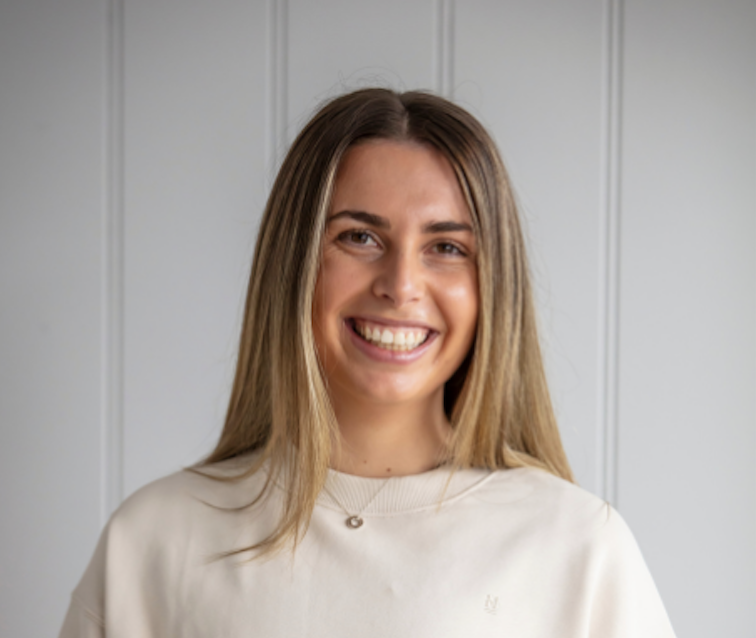
Senior Women’s Health Physiotherapist
Emily has a deep passion for empowering women to take control of their pelvic health. She creates a warm, judgement-free space where you can talk openly about what’s really going on.
With advanced training in pelvic floor rehabilitation, Emily treats a wide range of conditions including incontinence, prolapse, pelvic pain, and pregnancy-related concerns. She takes the time to really listen, explain what’s happening in your body, and build a treatment plan that fits your life. Whether you’re preparing for birth, recovering postpartum, or navigating menopause — Emily is here to help you feel strong and confident again.

Women’s Health Physiotherapist
Tori is passionate about helping women feel heard and supported through every stage of life. She combines clinical expertise with genuine empathy to deliver care that makes a real difference.
Tori brings a holistic, evidence-based approach to treating pelvic floor dysfunction, pregnancy-related pain, and postnatal recovery. She has a special interest in helping women return to exercise safely after having a baby and supporting those with persistent pelvic pain. Tori believes every woman deserves to understand her body and feel empowered in her recovery — no topic is too awkward, and no concern is too small.