Women's Health Physiotherapy - 21/08/2026
C-Section Recovery: Scar, Core and Pelvic Floor
What your caesarean scar does over the first year, when to start scar massage, and why your pelvic floor still needs checking.
READ MORE
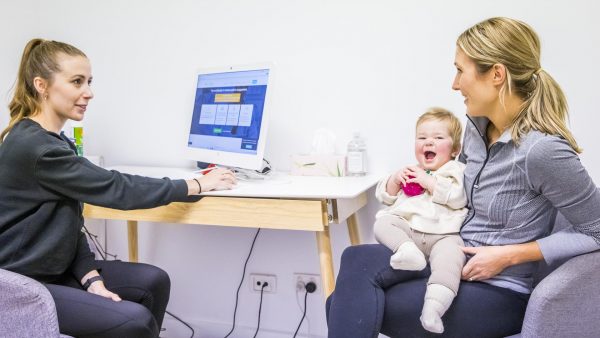
Whether you had a vaginal birth or a cesarean section, your body has been through an incredible journey. Around six weeks postpartum, a pelvic floor physiotherapy appointment plays a key role in helping you heal well and move forward with strength and confidence.
This visit is about more than just recovery—it’s about long-term pelvic health, core strength, and overall wellbeing. Here’s what you can expect during your check-up.
Vaginal Birth:
If you had stitches from an episiotomy or perineal tear, we’ll check how they’re healing. Many women experience tightness, discomfort or sensitivity in this area. We can offer gentle techniques and massage to ease discomfort and promote better tissue healing.
Cesarean Birth:
We’ll assess your scar to check for proper healing. Some mums feel tightness, numbness, or pulling sensations. We’ll guide you through scar massage and self-care techniques to improve healing and reduce irritation or discomfort.
Your pelvic floor muscles support your bladder, bowel, and uterus, and may have been stretched or weakened during pregnancy and birth.
We’ll assess:
How strong and coordinated your pelvic floor muscles are
Whether you’re able to contract and relax them effectively
If there’s any pain, tightness or weakness affecting your return to movement
Kegels are important—but only if they’re done correctly. We’ll teach you how to engage and release your pelvic floor properly, ensuring you’re activating the right muscles.
You’ll receive:
Personalised guidance tailored to your current strength
Support if you can’t feel the muscles or are unsure if you’re doing it right
Strategies to prevent leaking, heaviness or discomfort
Changes in bladder or bowel function after birth are common—but they shouldn’t be ignored.
We’ll talk through:
Bladder health – Including leaking with coughing, sneezing, urgency or incomplete emptying
Bowel health – If you’re experiencing constipation, straining or discomfort
These issues are treatable, and we’re here to help restore normal function.
During pregnancy, your abdominal muscles stretch to accommodate your growing baby. For some women, these muscles remain separated post-birth—this is called diastasis recti.
We’ll:
Check for separation and assess your core engagement
Teach you safe exercises to rebuild strength without placing pressure on your pelvic floor
Guide you on what to avoid to prevent setbacks in recovery
It’s normal to want to get moving again—but not all exercise is safe in the early postpartum period. We’ll guide you on:
When and how to resume strength training, Pilates, and running
Building a strong foundation before jumping into high-impact workouts
Movements to avoid that could slow recovery or cause strain
Feeding, lifting and holding your baby can place strain on your back, neck and wrists. We’ll show you ways to reduce tension and stay comfortable throughout your day.
You’ll learn:
How to sit comfortably while feeding
Safe, supportive ways to carry your baby
Simple stretches to ease tightness from long feeds and night wakes
Even if you’re feeling “fine” after birth, this check-up is a powerful opportunity to prevent long-term issues and give your body the care it deserves. Whether you had a vaginal birth or cesarean, a 6-week postpartum pelvic floor check helps you heal stronger, move better, and feel supported every step of the way.
Are you approaching six weeks postpartum?
Book in with one of our expert pelvic floor physiotherapists today and take this important step toward long-term health and confidence.
Women's Health Physiotherapy - 21/08/2026
Women's Health Physiotherapy - 21/08/2026
What your caesarean scar does over the first year, when to start scar massage, and why your pelvic floor still needs checking.
READ MOREPrefer to talk? Yarraville (03) 8319 9945 · Hampton East (03) 9086 3740 · Kensington (03) 8319 9946
Please don’t include medical or health information in this form. For clinical questions or appointments, call your studio or book online. Your message goes straight to the studio you choose.
This site is protected by reCAPTCHA and the Google Privacy Policy and Terms of Service apply.

Specialist care from physios who truly understand women’s bodies.

Senior Women’s Health Physiotherapist
Emily has a deep passion for empowering women to take control of their pelvic health. She creates a warm, judgement-free space where you can talk openly about what’s really going on.
With advanced training in pelvic floor rehabilitation, Emily treats a wide range of conditions including incontinence, prolapse, pelvic pain, and pregnancy-related concerns. She takes the time to really listen, explain what’s happening in your body, and build a treatment plan that fits your life. Whether you’re preparing for birth, recovering postpartum, or navigating menopause — Emily is here to help you feel strong and confident again.

Women’s Health Physiotherapist
Tori is passionate about helping women feel heard and supported through every stage of life. She combines clinical expertise with genuine empathy to deliver care that makes a real difference.
Tori brings a holistic, evidence-based approach to treating pelvic floor dysfunction, pregnancy-related pain, and postnatal recovery. She has a special interest in helping women return to exercise safely after having a baby and supporting those with persistent pelvic pain. Tori believes every woman deserves to understand her body and feel empowered in her recovery — no topic is too awkward, and no concern is too small.