Exercising During Pregnancy
A common question we get is what type of exercise should I be during pregnancy and how hard can I push myself?

This is a common question that Mums ask when they come to see us for a prenatal assessment.
Exercise is an important and beneficial part of pregnancy for many reasons. Benefits may include:
When it comes to the type of exercise that is most appropriate, it comes down to the individual and what stage of pregnancy they are at.
In the first trimester it is recommended that high intensity exercise be minimised as this is the trimester with the most risk for miscarriage. If you are lucky enough to not feel too sick, low-impact and low-moderate intensity exercise is an option, particularly if this is something you’re already doing.
In the beginning of the second trimester, most women will experience a decrease in nausea and vomiting and an increase in energy. This, along with the lower risk of miscarriage, invites women who are already exercising increase the intensity, and other Mums-to-be to begin a form of exercise that is appropriate for them.
During the second half of the second trimester until birth, with your baby and bump getting bigger, higher-intensity exercise that you were doing before pregnancy and up until now, may begin to feel more challenging. This is generally when women begin to modify their workouts and consider other exercise options that are more appropriate for the rest of their pregnancy.
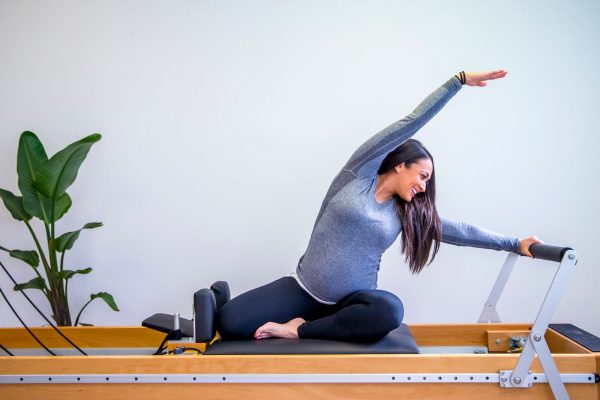
A common recommendation for women starting exercise during pregnancy is prenatal Pilates due to its low-impact and appropriateness for the duration of pregnancy. Prenatal exercise is also recommended once women who are already exercising start to feel their other forms of physical activity are becoming too much.
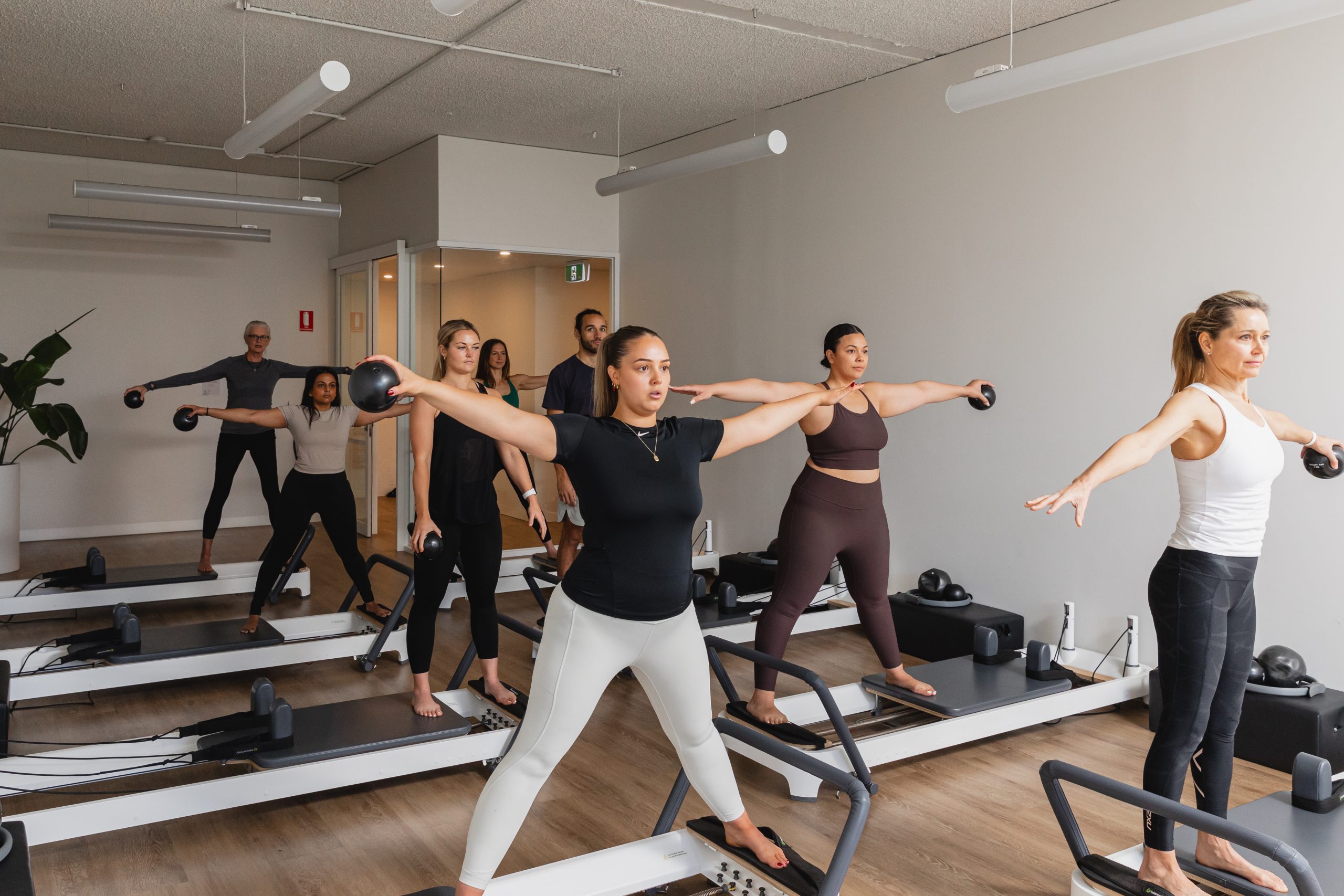
Prenatal exercise (or prenatal Pilates) classes run by a Physiotherapist are targeted towards pregnant women specifically. They focus on strengthening the muscles around the pelvis, including the pelvic floor, mobilising the hips and lower back, gentle core work as appropriate, and upper body strengthening to prepare for carrying and feeding bub. Classes also provide a social space for pregnant women to discuss their pregnancy experience with other women and their Physiotherapist.
Here at All For One, we see women from early pregnancy to full-term, with the focus shifting depending on the needs of the Mum-to-be and the stage of pregnancy she is at. Our prenatal classes are limited to a small class size of five women, to allow for a program to be tailored to you throughout the nine months. We have women attending who have never done Pilates before and are new to formal exercise, as well as women who are having to ease off their high-intensity or weight training program as their pregnancy progresses. Our tailored approach allows us to both ease newcomers into the class, as well as challenge those who have a higher base level of fitness. This also allows us to easily work with musculoskeletal conditions you already have or develop during your pregnancy (such as pelvic/back pain or pelvic floor issues), as well as accommodate for women that are no longer comfortable in certain positions, including on their back.
Other low-impact options for exercise include spin classes, prenatal yoga and hydrotherapy.
Physiotherapy - 15/08/2026
Prefer to talk? Yarraville (03) 8319 9945 · Hampton East (03) 9086 3740 · Kensington (03) 8319 9946
Please don’t include medical or health information in this form. For clinical questions or appointments, call your studio or book online. Your message goes straight to the studio you choose.
This site is protected by reCAPTCHA and the Google Privacy Policy and Terms of Service apply.

Specialist care from physios who truly understand women’s bodies.

Senior Women’s Health Physiotherapist
Emily has a deep passion for empowering women to take control of their pelvic health. She creates a warm, judgement-free space where you can talk openly about what’s really going on.
With advanced training in pelvic floor rehabilitation, Emily treats a wide range of conditions including incontinence, prolapse, pelvic pain, and pregnancy-related concerns. She takes the time to really listen, explain what’s happening in your body, and build a treatment plan that fits your life. Whether you’re preparing for birth, recovering postpartum, or navigating menopause — Emily is here to help you feel strong and confident again.

Women’s Health Physiotherapist
Tori is passionate about helping women feel heard and supported through every stage of life. She combines clinical expertise with genuine empathy to deliver care that makes a real difference.
Tori brings a holistic, evidence-based approach to treating pelvic floor dysfunction, pregnancy-related pain, and postnatal recovery. She has a special interest in helping women return to exercise safely after having a baby and supporting those with persistent pelvic pain. Tori believes every woman deserves to understand her body and feel empowered in her recovery — no topic is too awkward, and no concern is too small.