All in - 04/11/2026

Protein is on every yoghurt tub and all over your feed. None of it tells you how much you need, or whether a normal day gets you there.
Ask most women if they eat enough protein and they’ll say yes, there’s chicken at dinner. The catch is that if breakfast was toast in the car and lunch was a salad, that chicken was the first real serve of the day, and when a member feels wrecked after a class and can’t see why she isn’t getting stronger, what she ate before dinner is one of the first things our physios ask about. Protein is what your body repairs itself with, and it doesn’t bank spare, so a run of short days leaves less to repair with.
Australia’s recommended intake for women is 0.75 g of protein per kilo of body weight a day, about 46 g for an average-sized woman. It’s set to cover basic needs, most of us clear it without trying, and getting stronger takes more.
If you’re lifting, extra protein builds extra muscle up to about 1.6 g per kilo a day, and past that, more protein stops buying you more muscle. Over 65, aim for at least 1.0 to 1.2 g per kilo, more if you’re training.
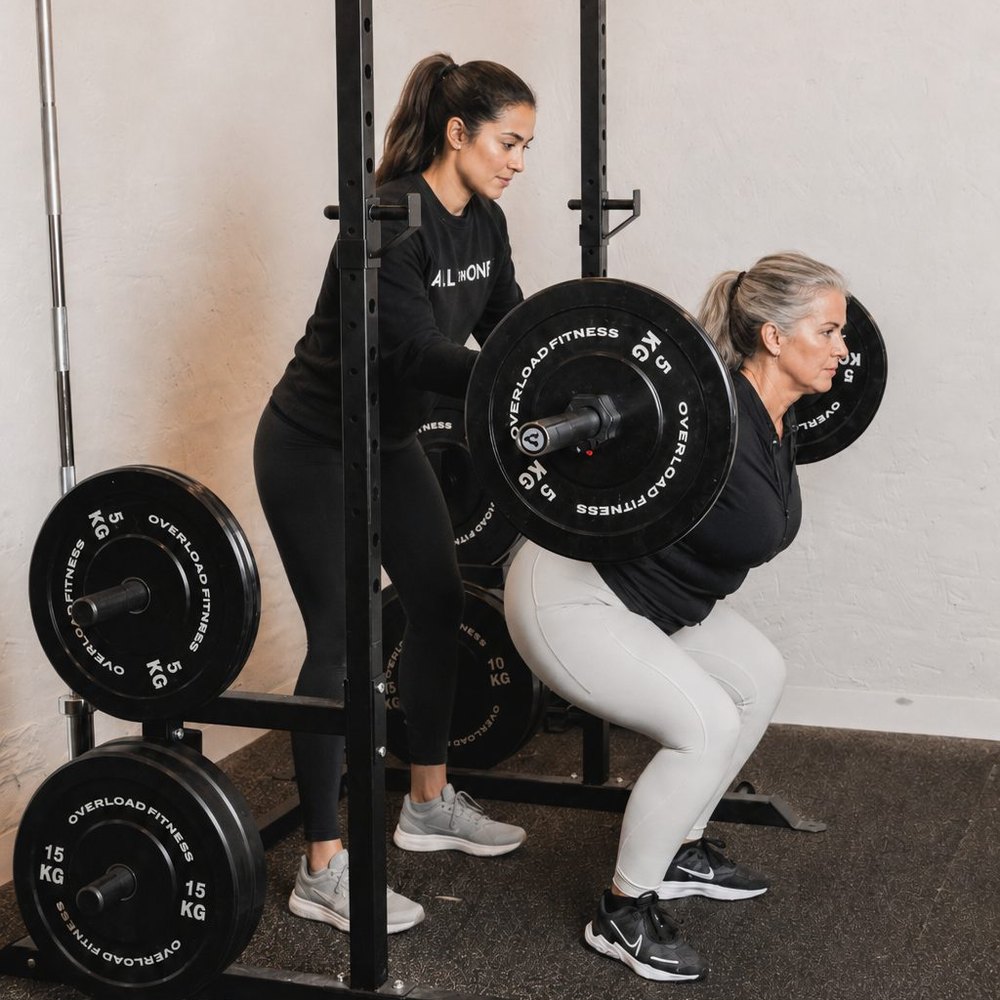
If you’re around 70 kg, that’s about 53 g a day as a base. Add two strength classes a week and 84 to 112 g is the better aim, and that range of 1.2 to 1.6 g per kilo covers most of our members.
The yoghurt tubs leave this part out. Muscle responds meal by meal, and a serve of about 20 to 40 g at a time is what gets the most muscle building out of a meal. That works out at roughly 0.25 g per kilo per meal, every three to four hours. In your 70s muscle gets a bit harder of hearing, and it takes closer to 0.4 g per kilo in one sitting to get the response you’d have had at 30. The study behind that figure was in men, and it’s the best number we have.
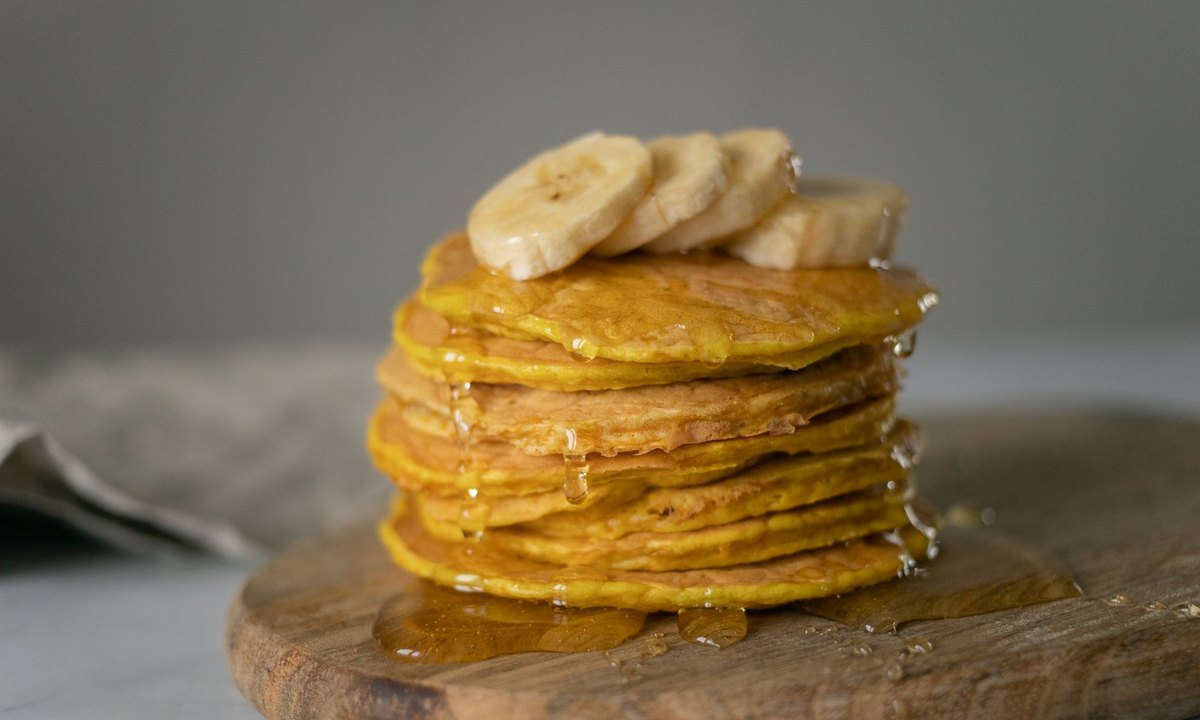
In real life that means 25 to 30 g at each main meal. Two eggs on toast with a glass of milk gets you close. A bowl of cereal doesn’t, and nor does a muesli bar eaten standing up.
True deficiency, the kind with muscle wasting and swelling, is uncommon in Australia outside illness and old age. Far more common is a day that keeps you going but leaves nothing over for repair, so Tuesday’s class is still in your legs on Friday. The signs our physios hear about are ordinary: slower to recover from a class that used to leave you fine, and strength that’s gone flat even though you’re turning up. Often the gap is food overall rather than protein on its own, and low iron, poor sleep or a thyroid problem can look the same, so if it lasts more than a few weeks, see your GP and ask about a blood test.
Your 20s and 30s. This is when you build the muscle and bone you’ll draw on later, so if you train, 1.2 to 1.6 g per kilo is the range to aim for.
Pregnancy and breastfeeding. From the second trimester the Australian target rises to 1.0 g per kilo, and to 1.1 g per kilo while you’re feeding, so a 70 kg mum is aiming for 70 to 77 g a day.
Your 40s and 50s. Muscle gets harder to hold onto from here, and the same protein that built muscle at 25 does a little less at 50. The usual training guidance for this stage is 1.2 to 1.6 g per kilo alongside strength work, which is what our Midlife Strength classes are built around.
65 and beyond. The expert recommendation is 1.0 to 1.2 g per kilo a day, at least 1.2 if you’re active, with bigger serves per meal than you needed at 30. Paired with strength and balance work, it protects the muscle that keeps you independent.
You don’t need to weigh anything. Most everyday foods fall into a few brackets (rough figures, from the Australian Food Composition Database).
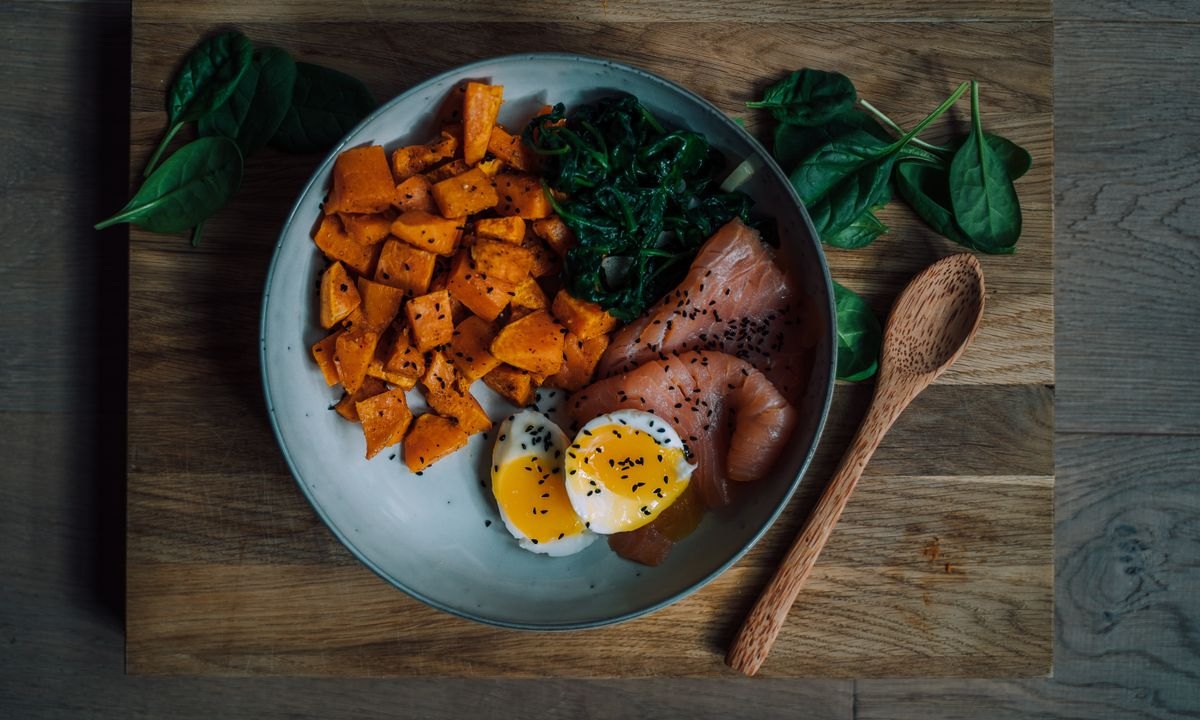
Eggs instead of cereal, or the overnight oats made on Sunday night, sorts out the first meal. For dinner, the salmon and white bean traybake does the maths for you.
Food should do most of the work. A powder is for the days you’ve skipped a meal without noticing, or you’ve just finished a class and dinner is hours away. A scoop in milk is about 35 g, a whole meal’s worth. We stock True Protein, and members get 10% off, applied automatically at the front desk. If you’re pregnant, check the label with your midwife first.
If you have kidney disease, diabetes or high blood pressure, check with your doctor before adding protein. In healthy adults, the trials so far found more protein didn’t harm the kidneys over the months they ran, and the only Australian ceiling is a loose one: keep protein to about a quarter of your day’s energy.
Most women who train need more protein than the basic recommendation, and most of us eat it at the wrong end of the day. Aim for 1.2 to 1.6 g per kilo if you train, and get 25 to 30 g into each meal, the first one included.
Pair it with strength training
Our strength classes run in small groups at Yarraville and Hampton East. For real numbers on where your strength is now, book a Strength Assessment.
The Australian recommended intake is 0.75 g per kilo a day. If you’re strength training, 1.2 to 1.6 g per kilo is a sensible range: 84 to 112 g a day for a 70 kg woman.
In healthy adults, the trials so far found more protein didn’t harm the kidneys, and Australia’s only ceiling is to keep protein to about a quarter of your day’s energy. If you have kidney disease, diabetes or high blood pressure, check with your doctor first.
Yes, with a bit more planning. Plant proteins are a little lower in some amino acids, so aim for the higher end of your range and mix lentils, tofu, soy milk and nuts across the day.
No, as long as your meals get you there. It’s handy on busy days or after a class. We stock True Protein, and members get 10% off at the front desk.
No one has set cycle-specific protein targets. The best review of cycle phase and exercise performance found only a trivial, inconsistent effect, so a steady daily intake is the sensible plan.
General information only. This article is general information, not advice for your situation. Protein needs vary with your health, your weight and your training, so talk to your GP, an Accredited Practising Dietitian or one of our physios before making big changes, especially if you have kidney disease, are pregnant, or have a history of disordered eating.
All in - 04/11/2026
Prefer to talk? Yarraville (03) 8319 9945 · Hampton East (03) 9086 3740 · Kensington (03) 8319 9946
Please don’t include medical or health information in this form. For clinical questions or appointments, call your studio or book online. Your message goes straight to the studio you choose.
This site is protected by reCAPTCHA and the Google Privacy Policy and Terms of Service apply.

Care from physios who truly understand women’s bodies.
Senior Women’s Health Physiotherapist
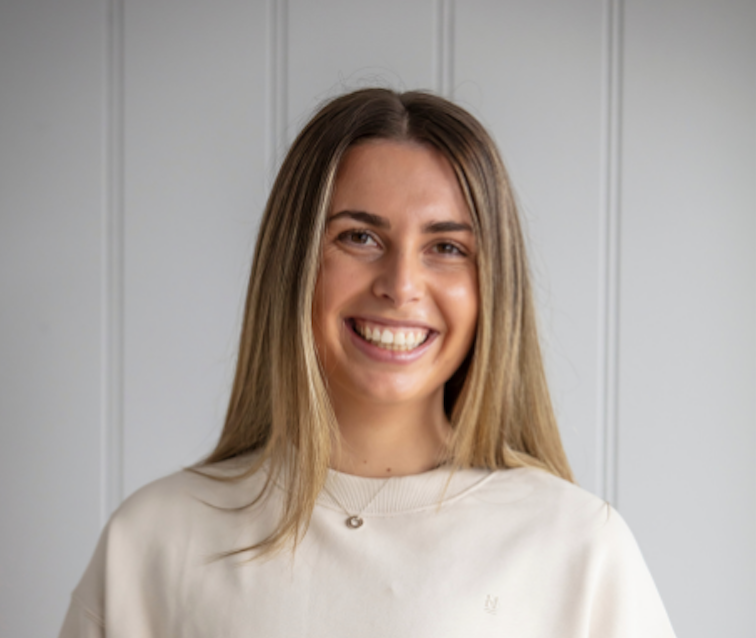
Emily has a deep passion for empowering women to take control of their pelvic health. She creates a warm, judgement-free space where you can talk openly about what’s really going on.
With advanced training in pelvic floor rehabilitation, Emily treats a wide range of conditions including incontinence, prolapse, pelvic pain, and pregnancy-related concerns. She takes the time to really listen, explain what’s happening in your body, and build a treatment plan that fits your life. Whether you’re preparing for birth, recovering postpartum, or navigating menopause — Emily is here to help you feel strong and confident again.

Women’s Health Physiotherapist
Tori is passionate about helping women feel heard and supported through every stage of life. She combines clinical expertise with genuine empathy to deliver care that makes a real difference.
Tori brings a holistic, evidence-based approach to treating pelvic floor dysfunction, pregnancy-related pain, and postnatal recovery. She has a special interest in helping women return to exercise safely after having a baby and supporting those with persistent pelvic pain. Tori believes every woman deserves to understand her body and feel empowered in her recovery — no topic is too awkward, and no concern is too small.