All in - 04/11/2026


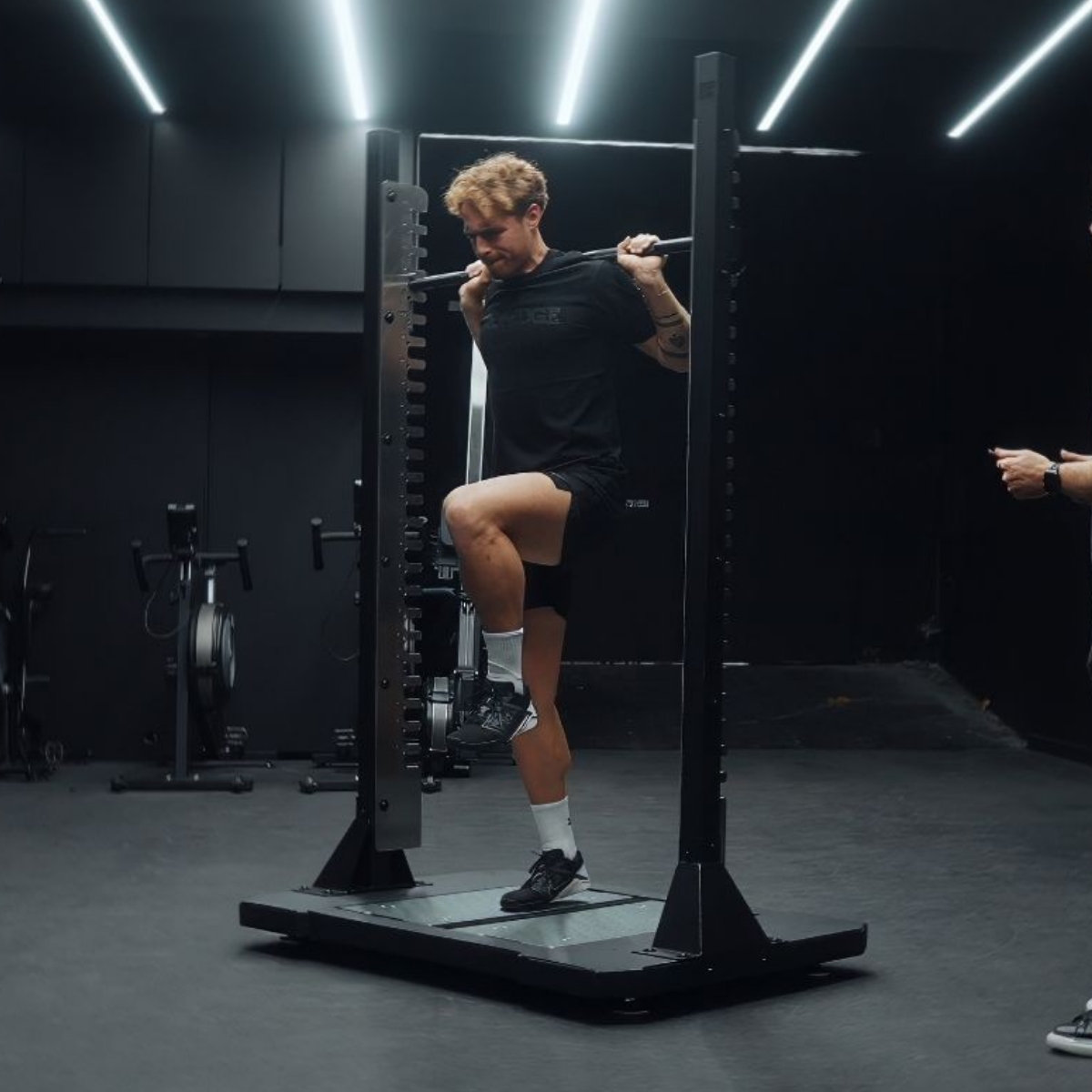
Most of us have no idea whether one side of our body has been doing more of the work for years. A strength test, sometimes called a strength assessment, shows you, along with how you compare with people your age, so you know where you’re starting from.
If someone asked whether you’re getting stronger, you’d probably say “I think so?” You turn up, you do the work, and you hope it’s adding up to something. That’s fine for a while. But if you’ve just been told you have osteopenia (the step before osteoporosis), you’re coming back from an injury, or perimenopause has you wondering what’s changing in your body, a guess isn’t much to go on.
It’s 40 minutes with one of our physios. You’ll start with a chat about your goals and history, then do the testing, then go through your report together.
The testing is everyday movements like squats, a deadlift-style pull, calf raises and jumps, done on VALD force plates and a VALD-equipped rack. The plates measure how much force you make, how quickly you make it, and how steady you are, including standing on one leg. Then a VALD ForceFrame tests individual muscles such as your quads, hamstrings, glutes, calves, hip muscles and shoulders. Which tests you do depends on what you’ve come in for. You don’t need any gym experience, and your physio guides you through every one.
Most of us favour one side without realising. Maybe it was an old ankle sprain, or years of carrying a baby on the same hip. Your body is good at working around things, and over time one side can end up taking more than its share.
Because each side is measured separately, you’ll see that difference as a number instead of a vague feeling. If one leg or hip is noticeably weaker, your physio builds that into your program, and when you retest you can watch the gap close. It’s especially handy after an injury or surgery, when you want to know the weaker side has caught up before you push harder.
Book at Yarraville Book at Hampton East
A number on its own doesn’t mean much. VALD compares your results with averages for people your age and gender, so you can see whether a result is about where you’d expect or something to work on. There’s no pass or fail. It’s a starting point, and from then on the comparison that matters most is you against you.
Strength is how much force you can make. Power is how quickly you can make it, and it’s what you need to catch yourself when you trip on an uneven footpath or to get up off the floor after playing with the kids. Power drops earlier and faster with age than strength does, so the force plates measure speed as well as force.
Balance matters just as much. In a review of 108 trials in people over 60, exercise reduced the rate of falls by 23%, and exercise built around balance and leg strength has been found to prevent falls. Want a quick check at home? Using a sturdy chair against a wall, time how long it takes you to stand up from it five times without using your hands. If you’re over 60, taking more than 15 seconds suggests your leg strength is worth working on.
People mix this one up a lot. A strength test looks at your muscles and your balance. Bone density is measured with a DXA scan of your hip and spine, which takes about 10 to 15 minutes and is something your GP arranges after looking at your risk factors.
It’s well worth asking about. Healthy Bones Australia says 66% of Australians aged 50 and over have osteoporosis or osteopenia, and their free Know Your Bones check online takes 5 to 10 minutes and gives you a report to take to your doctor. The two tests work well together: the scan tells you about your bones, and the strength test tells you about the muscles and balance that load those bones and keep you on your feet.
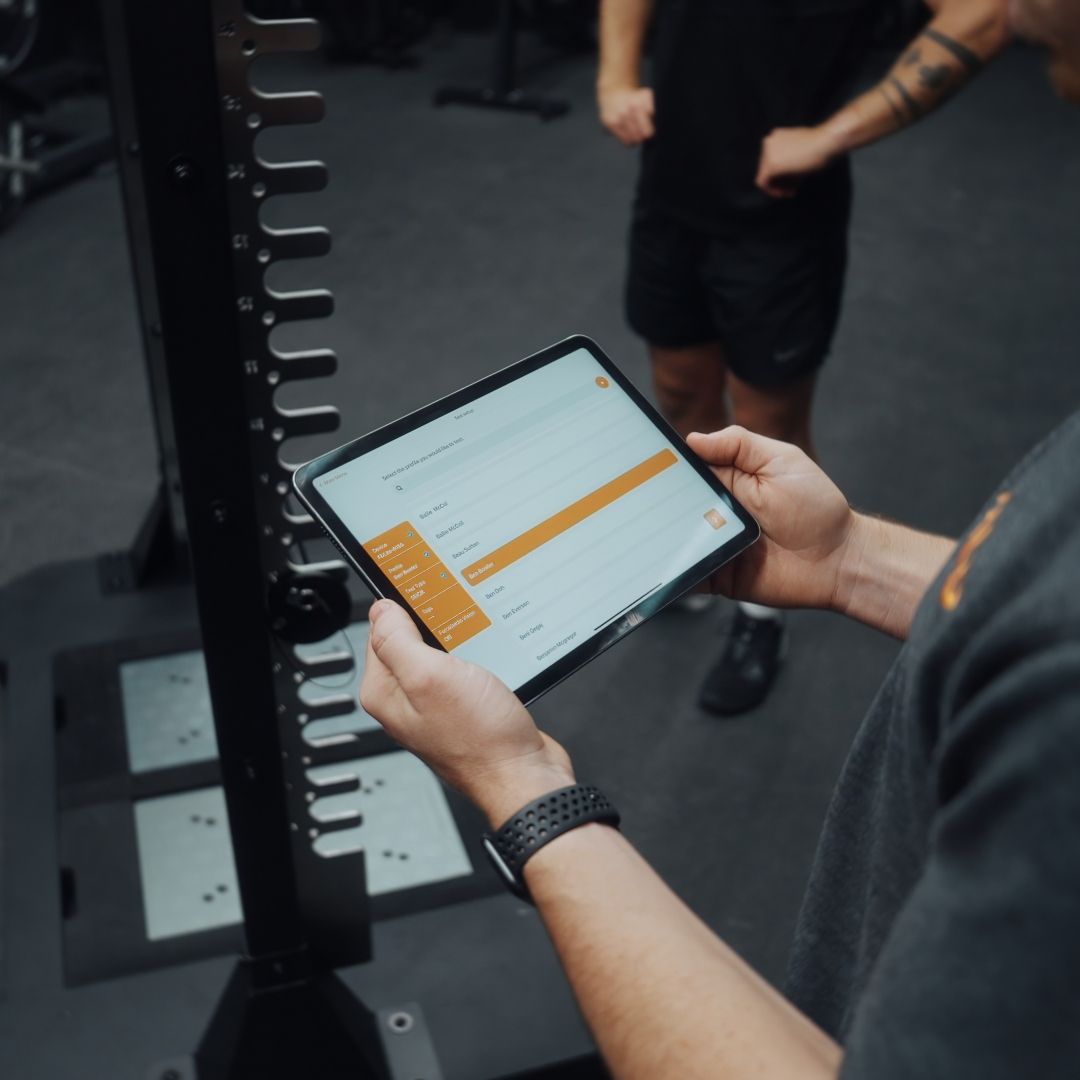
Muscle and bone both get stronger when you give them a bit more work over time. Exercise and Sports Science Australia recommends progressive strength and impact training for bone health, matched to your bones, any other health conditions and your risk of falls. We go into the research in building bone for life.
Knowing your starting point means your physio can set loads that suit you, and a retest shows you whether it’s working. That can make heavier training feel a lot less daunting, especially if you have osteopenia or osteoporosis, you’re getting over an injury, or you’re in perimenopause and feeling the change. There’s more on that in perimenopause and strength training.
Book at Yarraville Book at Hampton East
A strength test turns “I think I’m getting stronger” into real numbers. You’ll find out whether one side is doing more of the work, how you compare with people your age, and what to focus on next. Pair it with a bone density scan through your GP and you’ll have the full picture.
Find out where you stand
A strength test is 40 minutes with one of our physios at Yarraville or Hampton East. You’ll get your numbers, a plain-English report and clear next steps. If you have osteopenia or osteoporosis, we can also talk you through our Strong Bones program.
How much force you make in movements like squats, pulls, calf raises and jumps, how quickly you make it, your balance, and the strength of individual muscles, with your left and right sides compared. Your results are compared with averages for your age and gender.
Yes. Each side is measured separately, so a difference between left and right shows up as a number your physio can build into your program and check again later.
No. Bone density is measured with a DXA scan, which your GP can arrange. A strength test measures the muscles and balance that work alongside your bones.
No. The tests are simple and guided, you don’t need gym experience, and you’re compared with people your own age and gender.
Your physio goes through your history and scan results first and chooses tests to suit you. Let them know about any fractures, pain or health conditions before you start.
Your physio will suggest a time in your report, depending on what you’re working on and how quickly it’s likely to change.
General information only. This article is general information, not advice for your situation. Everyone’s body and health are different, so talk to your physio, GP or another health professional about your own bones, muscles and symptoms before you start or change any exercise or treatment.
All in - 04/11/2026
Prefer to talk? Yarraville (03) 8319 9945 · Hampton East (03) 9086 3740 · Kensington (03) 8319 9946
Please don’t include medical or health information in this form. For clinical questions or appointments, call your studio or book online. Your message goes straight to the studio you choose.
This site is protected by reCAPTCHA and the Google Privacy Policy and Terms of Service apply.

Care from physios who truly understand women’s bodies.
Senior Women’s Health Physiotherapist
Emily has a deep passion for empowering women to take control of their pelvic health. She creates a warm, judgement-free space where you can talk openly about what’s really going on.
With advanced training in pelvic floor rehabilitation, Emily treats a wide range of conditions including incontinence, prolapse, pelvic pain, and pregnancy-related concerns. She takes the time to really listen, explain what’s happening in your body, and build a treatment plan that fits your life. Whether you’re preparing for birth, recovering postpartum, or navigating menopause — Emily is here to help you feel strong and confident again.

Women’s Health Physiotherapist
Tori is passionate about helping women feel heard and supported through every stage of life. She combines clinical expertise with genuine empathy to deliver care that makes a real difference.
Tori brings a holistic, evidence-based approach to treating pelvic floor dysfunction, pregnancy-related pain, and postnatal recovery. She has a special interest in helping women return to exercise safely after having a baby and supporting those with persistent pelvic pain. Tori believes every woman deserves to understand her body and feel empowered in her recovery — no topic is too awkward, and no concern is too small.