

Women's Health Physiotherapy - 21/08/2026
C-Section Recovery: Scar, Core and Pelvic Floor
What your caesarean scar does over the first year, when to start scar massage, and why your pelvic floor still needs checking.
READ MORE
Painful, feverish, and still feeding someone every three hours. A hot, sore, red patch, a lump that won’t clear, that run-over, flu-like feeling arriving fast: mastitis and blocked ducts escalate quickly and hurt out of all proportion, and you don’t have to white-knuckle through while you wait for it to pass. Our women’s health physiotherapists treat mastitis with therapeutic ultrasound and gentle, evidence-guided care, and we prioritise these appointments because we know they can’t wait.
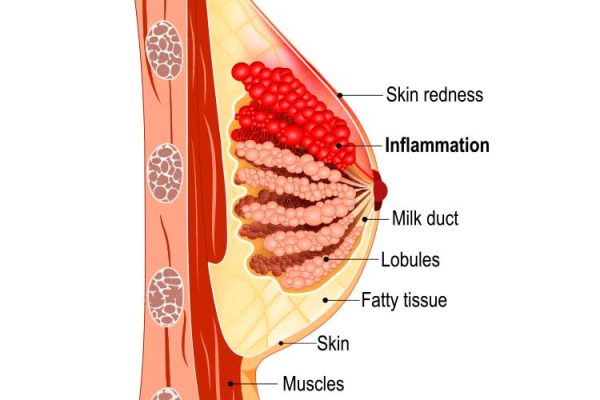
Mastitis is inflammation of the breast tissue, and it usually starts with a duct that hasn’t drained. Milk backs up, the tissue swells, and the swelling makes draining even harder. That loop is why it escalates so fast, and why early treatment matters: settled early, a blocked duct often resolves before infection takes hold.
Physiotherapy is one half of the picture and medical care is the other, and they are not in competition. If you have a fever or you feel unwell, or you are not clearly improving within 24 hours, see a GP, because mastitis with infection needs antibiotics and delay raises the risk of an abscess. Physiotherapy runs alongside that, treating the blockage and the inflammation the tablets don’t, and our women’s health physiotherapists will tell you plainly which door you need and when.
Go to an emergency department or call 000 if you have shaking chills or rigors, a fever over 38.5 that is climbing, you feel confused, faint or very unwell, redness is spreading quickly or you can see red streaks, or your heart is racing and your skin is cold and clammy.
See a GP the same day if you have a fever, body aches or a flu-like feeling, an area of the breast that is red, hot and painful, or cracked nipples alongside a red, painful breast.
Go back to your GP if you are not clearly improving 24 hours after starting antibiotics, or if a firm lump stays put or starts to feel fluid-filled, which can mean an abscess.
No, and in almost all cases the advice is the opposite: keep feeding or expressing, because draining the breast is part of the treatment. Your physio will help with positioning that drains the affected area more effectively, and everything we do is safe to continue feeding through.
Please don’t. Aggressive massage can make the inflammation worse, which surprises most women, because pressing hard on the lump is exactly what the internet and well-meaning relatives suggest. Current best practice is gentler than you think, and part of your appointment is learning exactly what helps and what harms.
Most people don’t know this exists, and find us mid-crisis through a 2am search. Women’s health physios treat mastitis with therapeutic ultrasound, gentle lymphatic techniques and feeding guidance, and when antibiotics are needed too, we work alongside your GP rather than instead of them.
Tell the front desk it’s mastitis and we’ll fit you in as fast as we can, same-day where possible, because this is a condition where today beats Thursday.
A warm, painless treatment head over the affected area uses sound waves to ease inflammation and help the blockage clear. It is the treatment women come back for with the next baby, and the reason most of our mastitis patients find us in the first place.
Light lymphatic drainage, not deep massage, plus practical care for the skin and the tissue while it settles. If firm massage has already been tried on this breast, say so, because it changes how we treat it.
Positioning and drainage guidance matched to how you actually feed, breast, pump or both, so the treatment keeps working between appointments rather than stopping at the door.
If your symptoms suggest infection, you will hear it clearly, with a same-day GP recommendation and a plan for how the physiotherapy continues alongside the antibiotics rather than waiting for them to finish.
Every appointment covers all four. You leave with the treatment done, not just the advice.
A private room and one physiotherapist. You will be with a women’s health physiotherapist, door shut, and we start by talking through your symptoms and how the feeding is going before anything is assessed or treated.
Assessed gently, then treated the same visit. The area is examined carefully rather than pressed, and therapeutic ultrasound is done in the same appointment. You are not booked back for the actual treatment.
You go home knowing what to do tonight. What helps, what to avoid, what to watch for, when to see a GP, and whether you need to come back. Written down, because nobody remembers instructions on four hours of sleep.
Feed or settle the baby whenever you need to. Mid-appointment is fine. Prams come into the room. Nothing about any of that is an interruption here, and when the crisis has passed the same team is where your postnatal physiotherapy lives too.
The practical bits, sorted before you ask:

Mastitis treatment with our women’s health physios runs at Yarraville in the inner west (03 8319 9945) and Hampton East in the bayside south east (03 9086 3740). Call whichever is closer and tell the desk it’s mastitis. That one word is enough for them to know what to do with the booking.
Today is the right day.
Book online, or call and say the word mastitis. The front desk knows exactly what to do with it, and if what you describe belongs with a GP first, we will tell you that instead of taking the booking.
Yes. Women’s health physiotherapists treat mastitis and blocked ducts with therapeutic ultrasound, gentle lymphatic techniques and feeding guidance. When infection is present, physiotherapy works alongside your GP’s care rather than replacing it.
In almost all cases yes: draining the breast is part of the treatment, and feeding through mastitis is safe for your baby. Your physio will help with positioning that drains the affected area more effectively.
It delivers gentle sound waves through a warm treatment head over the affected area, easing inflammation and helping blocked ducts clear. The treatment is painless and safe to continue feeding after.
Often both, and they do different jobs. If you have a fever, chills or a flu-like feeling, or you are not clearly improving within 24 hours, see a GP promptly, because mastitis with infection needs antibiotics and delay raises the risk of an abscess. Physiotherapy runs alongside that antibiotic care, treating the blockage and the inflammation, and it is safe to have while you are taking them.
Tell our front desk it is mastitis and we will prioritise you, same-day where possible, at Yarraville in the inner west or Hampton East in the bayside south east. Booking online works too, and no referral is needed.
No. Firm massage can worsen the inflammation, even though it is the most common advice given. Current best practice favours gentle lymphatic techniques, which your physio will show you and which you can keep doing at home.
Get emergency care, or call 000, if you have shaking chills or rigors, a fever over 38.5 that is climbing, confusion or faintness, redness spreading quickly or red streaks on the skin, or a racing heart with cold clammy skin. Go back to your GP if you are not clearly improving 24 hours after starting antibiotics, or if a firm lump stays put or feels fluid-filled.
Always. Feeding or settling your baby during the appointment is completely normal here, prams come into the room, and nobody will blink at any of it.
Women's Health Physiotherapy - 21/08/2026

Women's Health Physiotherapy - 21/08/2026
What your caesarean scar does over the first year, when to start scar massage, and why your pelvic floor still needs checking.
READ MOREPrefer to talk? Yarraville (03) 8319 9945 · Hampton East (03) 9086 3740 · Kensington (03) 8319 9946
Please don’t include medical or health information in this form. For clinical questions or appointments, call your studio or book online. Your message goes straight to the studio you choose.
This site is protected by reCAPTCHA and the Google Privacy Policy and Terms of Service apply.

Specialist care from physios who truly understand women’s bodies.

Senior Women’s Health Physiotherapist
Emily has a deep passion for empowering women to take control of their pelvic health. She creates a warm, judgement-free space where you can talk openly about what’s really going on.
With advanced training in pelvic floor rehabilitation, Emily treats a wide range of conditions including incontinence, prolapse, pelvic pain, and pregnancy-related concerns. She takes the time to really listen, explain what’s happening in your body, and build a treatment plan that fits your life. Whether you’re preparing for birth, recovering postpartum, or navigating menopause — Emily is here to help you feel strong and confident again.

Women’s Health Physiotherapist
Tori is passionate about helping women feel heard and supported through every stage of life. She combines clinical expertise with genuine empathy to deliver care that makes a real difference.
Tori brings a holistic, evidence-based approach to treating pelvic floor dysfunction, pregnancy-related pain, and postnatal recovery. She has a special interest in helping women return to exercise safely after having a baby and supporting those with persistent pelvic pain. Tori believes every woman deserves to understand her body and feel empowered in her recovery — no topic is too awkward, and no concern is too small.