Physiotherapy - 15/08/2026
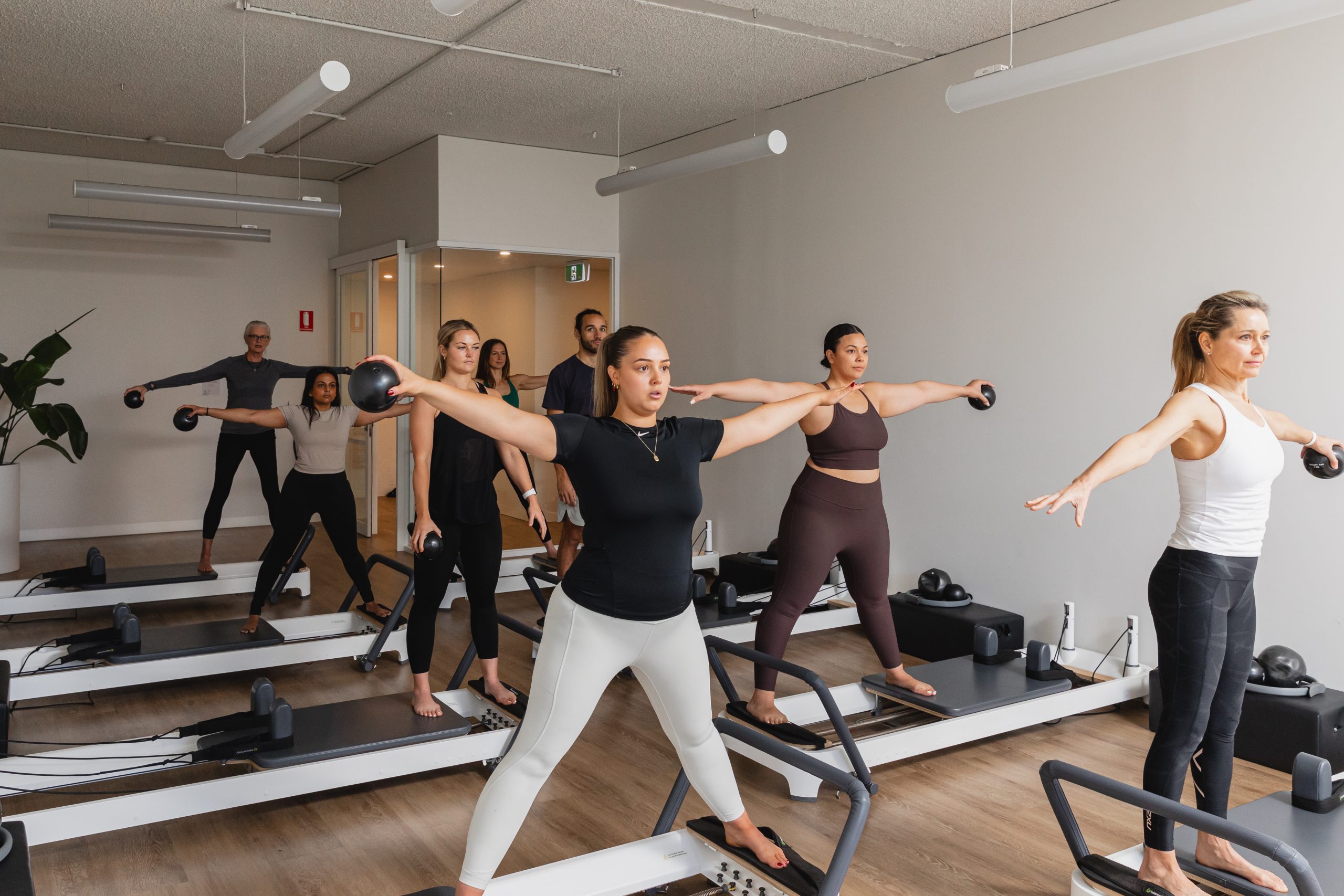

The clinic is already in your suburb. That is one less reason to keep putting it off.
You have probably walked past the door. We are on Level 1 at KCARC on Altona Street, a few minutes from the Bellair Street shops and a short walk from Kensington station on the Craigieburn line. If JJ Holland Park is your loop, you have gone past us on the way.
The floor we are on is shared with a gym and a pool. For Clinical Pilates that is genuinely unusual, and it changes what your physio can see and what happens next.
No. It starts with a one-on-one assessment with a physiotherapist who takes your history, watches how you move and writes a program for your body. Clinical Pilates is that program, done on equipment, with a physio in the room the whole time. It looks like a Pilates class. It works like physio.
Four people, four different programs, four different paces. Nobody is calling out a count and there is nothing to keep up with. The person next to you might be six weeks past a knee reconstruction while you are rebuilding after a baby. Your physio moves between you, adjusts loads, and changes the program as your body changes.
Reformer is one sequence taught to a whole room, and it is a good thing to be in once your body is ready for it. Clinical is built for you and capped at four. Reformer trains the room, Clinical trains you. We run Reformer Pilates as well and we are not precious about which one you end up in.
Most people who book are not looking for a fitness class. They are looking for a way back into moving that does not set them off again.
If you are not sure this is the right starting point, it may not be. Some people are better served by hands-on physiotherapy first, and we will tell you that at the assessment rather than sign you up regardless.
Most clinics assess you in a treatment room and then send you off to train somewhere they will never see. Here, the gym and the pool are on the same floor. Your physio can watch how you actually move under load, on the equipment you really use, instead of working from your description of it a fortnight later.
The usual pattern is physio in one place, gym in another, and a program that quietly falls apart in the gap between them. On Altona Street the assessment, the Clinical Pilates classes and the training you do afterwards all sit in the same building, which makes the handover a lot less theoretical.
We opened here in 2026, so we are not going to claim a long history in the suburb. The practice itself has been running since 2018 across the west and bayside. People do travel in from Flemington, North Melbourne and Ascot Vale, but if you live in Kensington this is simply your local clinic, and you should treat it that way.
One-on-one first, always. An hour with a physio. History, what you have tried, what makes it worse, and a proper look at how you move. You leave with an explanation, not a diagnosis code.
A program written for you. Specific exercises, specific loads, specific reasons. It is written down so you know what you are doing and why, and it changes as you get stronger.
Classes capped at four. You work through your own program with a physio in the room. Everyone else is doing something different, so there is no pace to match.
Reviewed, not set and forgotten. Your physio checks in as things change. If you are ready for heavier work, the program moves. If something flares, it comes back a step.

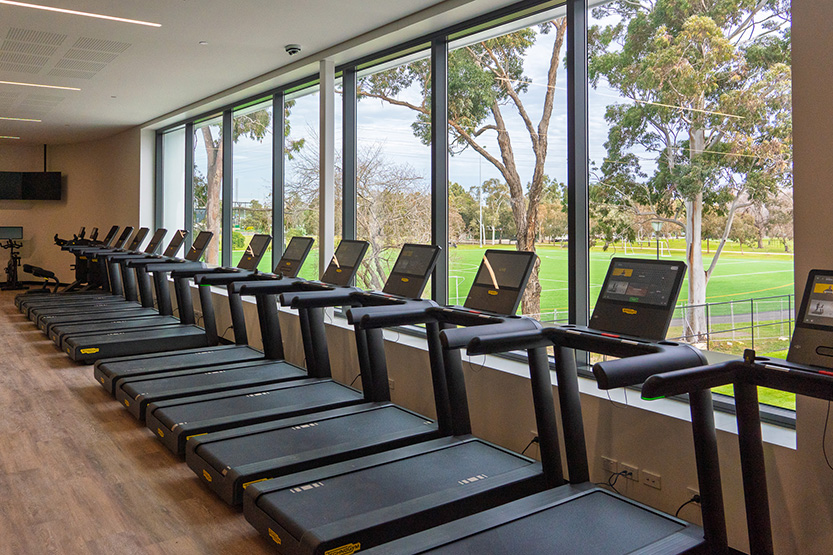
Level 1 at KCARC, 99 Altona Street. Take the stairs or the lift to the first floor and you will find us sharing the floor with the gym and the pool. There is on-site parking at KCARC and street parking on Altona Street. If you are coming by train, Kensington station is on the Craigieburn line and it is a short walk from there, past the Bellair Street shops.
No. You can book an initial assessment directly and most people do. If your GP has written a Medicare Care Plan, bring it and we will use it. If you are coming through TAC or WorkCover, tell us when you book so the paperwork is sorted before your first appointment rather than at the front desk on the day.
Neither. A lot of people book precisely because they are not fit and are worried about starting. The assessment sets the level, and your program starts where your body actually is rather than where a class would assume it is. If that means the first fortnight looks very simple, that is the point. Load is added deliberately once you can handle it.
If you have pain, a recent injury, a surgery behind you or a body that keeps flaring, start with Clinical. It is individualised and capped at four. If you are broadly healthy and want a strong, well-taught class, Reformer is a good fit. Plenty of people start in Clinical and move across once their physio thinks they are ready, and that is a normal path rather than a demotion.
Yes, with most funds. Clinical Pilates in Kensington is run by physiotherapists, so it is claimable on physiotherapy extras, and we process it through HICAPS on the spot so you only pay the gap. Rebate amounts vary by fund and by level of cover, so check yours if you want the exact number. Our current fees are listed on the pricing page.
One hour, one physio, and a plan you can actually follow. Book online, or call the clinic on Altona Street and talk it through with someone first.
Physiotherapy - 15/08/2026
Prefer to talk? Yarraville (03) 8319 9945 · Hampton East (03) 9086 3740 · Kensington (03) 8319 9946
Please don’t include medical or health information in this form. For clinical questions or appointments, call your studio or book online. Your message goes straight to the studio you choose.
This site is protected by reCAPTCHA and the Google Privacy Policy and Terms of Service apply.

Specialist care from physios who truly understand women’s bodies.

Senior Women’s Health Physiotherapist
Emily has a deep passion for empowering women to take control of their pelvic health. She creates a warm, judgement-free space where you can talk openly about what’s really going on.
With advanced training in pelvic floor rehabilitation, Emily treats a wide range of conditions including incontinence, prolapse, pelvic pain, and pregnancy-related concerns. She takes the time to really listen, explain what’s happening in your body, and build a treatment plan that fits your life. Whether you’re preparing for birth, recovering postpartum, or navigating menopause — Emily is here to help you feel strong and confident again.

Women’s Health Physiotherapist
Tori is passionate about helping women feel heard and supported through every stage of life. She combines clinical expertise with genuine empathy to deliver care that makes a real difference.
Tori brings a holistic, evidence-based approach to treating pelvic floor dysfunction, pregnancy-related pain, and postnatal recovery. She has a special interest in helping women return to exercise safely after having a baby and supporting those with persistent pelvic pain. Tori believes every woman deserves to understand her body and feel empowered in her recovery — no topic is too awkward, and no concern is too small.