All in - 04/11/2026
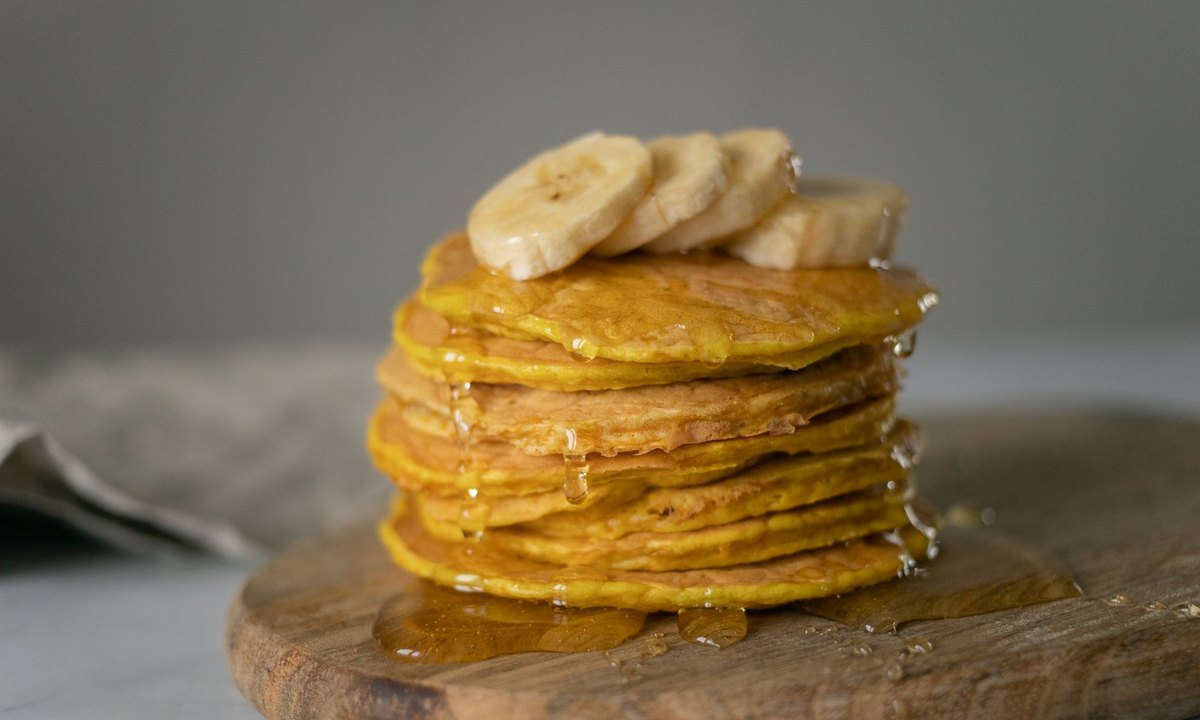

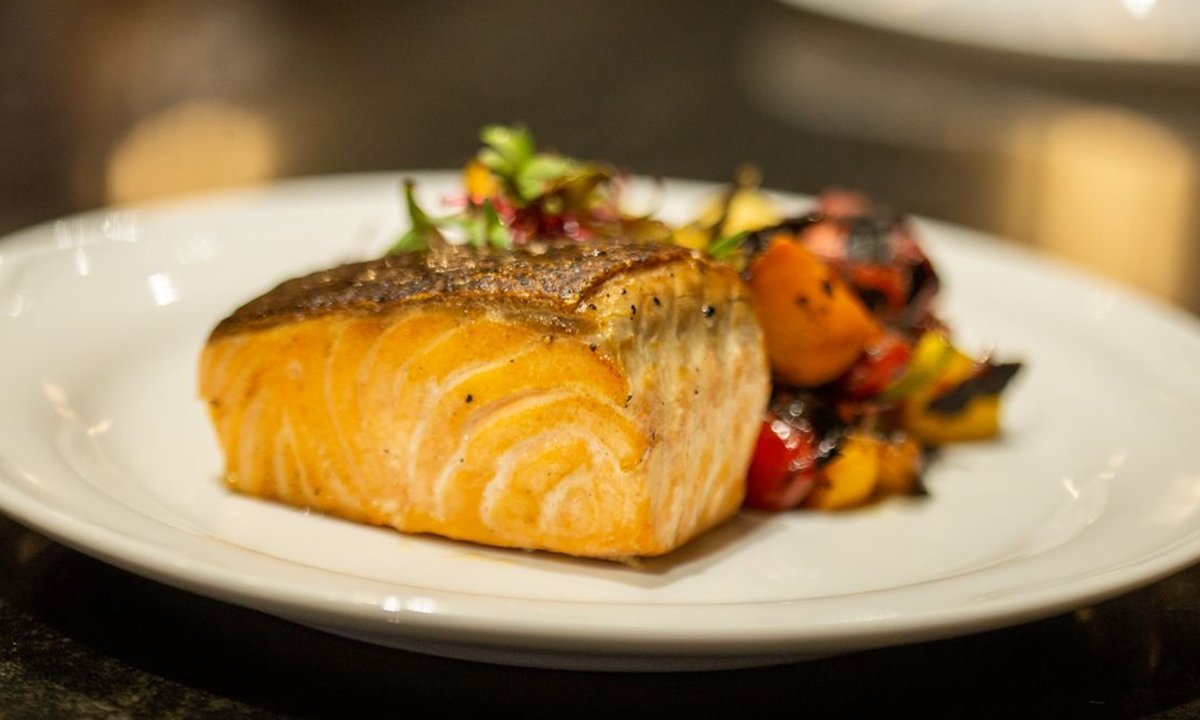
This is our go-to for the nights you’ve got nothing left. One tray, about 30 minutes, hardly any washing up, and it’s just as good with a tin of salmon from the pantry as it is with fresh.
You chop an onion, open two tins and let the oven do the heavy lifting. The beans go soft and soak up all the lemony juices, the tomatoes burst, and the kale crisps up at the edges and usually goes first.
This tray suits midlife, strength training and pregnancy alike.
Your calcium needs climb as you get older. Healthy Bones Australia recommends 1,300 mg a day for women over 50, up from 1,000 mg for younger adults, because we absorb it less easily with age, and they say food is the best way to get there. Canned salmon, kale, broccoli and beans all help, and the salmon and beans bring plenty of protein for those strength sessions.
If you’re pregnant, fish is a good source of protein and omega-3s and there’s no need to give it up. Salmon is one of the lower-mercury choices, so it isn’t among the fish pregnant women are asked to limit.
Using tinned salmon: skip the fillets in step 2. In step 3, add the drained salmon in chunks with the kale so it warms through. The soft bones mash straight in with a fork, and you won’t notice them.
Chop the onion and garlic and drain the beans the night before, and the tray’s ready to go the minute you walk in the door. Leftovers make a good lunch wrapped up with some extra greens.
Eat refrigerated leftovers within 3 to 4 days, or within 1 day if you’re pregnant, and reheat them until they’re steaming hot (75°C) all the way through.
Keep a couple of tins of salmon and beans in the pantry and you’re most of the way to a dinner that’s quick, filling and good for your bones.
Fed and ready to move?
Whether it’s Midlife Strength, a strength class or reformer, there’s a class that fits around your week.
Yes. Salmon is one of the lower-mercury fish, and there’s no need to stop eating fish in pregnancy. Cook it until it’s opaque and flakes all the way through, and eat it straight away.
No, but the soft bones are where most of the calcium is. They mash in with a fork, and most people never notice them.
General information only. This article is general information, not advice for your situation. If you’re pregnant, have a food allergy or have been given specific dietary advice, talk to your GP, midwife, dietitian or another health professional about what suits you.
All in - 04/11/2026
Prefer to talk? Yarraville (03) 8319 9945 · Hampton East (03) 9086 3740 · Kensington (03) 8319 9946
Please don’t include medical or health information in this form. For clinical questions or appointments, call your studio or book online. Your message goes straight to the studio you choose.
This site is protected by reCAPTCHA and the Google Privacy Policy and Terms of Service apply.

Care from physios who truly understand women’s bodies.
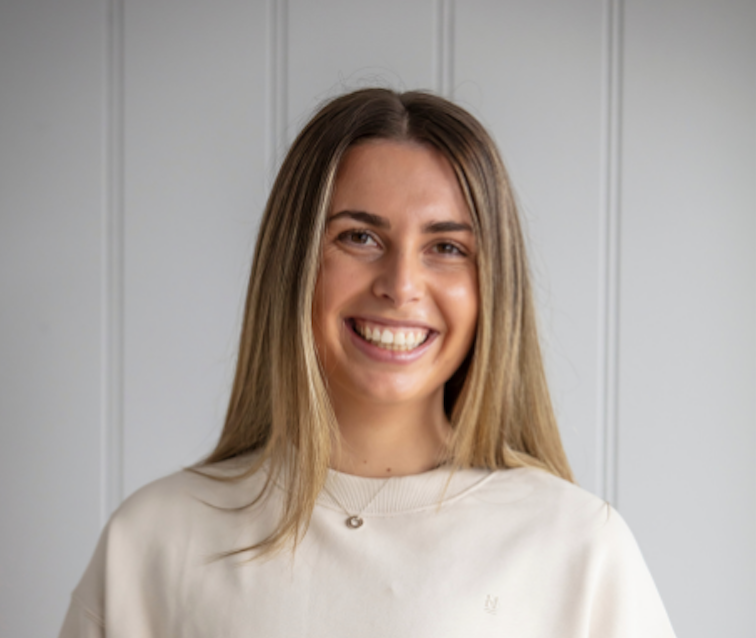
Senior Women’s Health Physiotherapist
Emily has a deep passion for empowering women to take control of their pelvic health. She creates a warm, judgement-free space where you can talk openly about what’s really going on.
With advanced training in pelvic floor rehabilitation, Emily treats a wide range of conditions including incontinence, prolapse, pelvic pain, and pregnancy-related concerns. She takes the time to really listen, explain what’s happening in your body, and build a treatment plan that fits your life. Whether you’re preparing for birth, recovering postpartum, or navigating menopause — Emily is here to help you feel strong and confident again.

Women’s Health Physiotherapist
Tori is passionate about helping women feel heard and supported through every stage of life. She combines clinical expertise with genuine empathy to deliver care that makes a real difference.
Tori brings a holistic, evidence-based approach to treating pelvic floor dysfunction, pregnancy-related pain, and postnatal recovery. She has a special interest in helping women return to exercise safely after having a baby and supporting those with persistent pelvic pain. Tori believes every woman deserves to understand her body and feel empowered in her recovery — no topic is too awkward, and no concern is too small.