All in - 04/11/2026



Exercise in pregnancy used to come with a long list of “be careful”. The research is much more reassuring now. For most pregnancies, moving is good for you and good for your baby.
If you’re in the first trimester and all you want is the couch, that’s completely normal. Later on it’s heartburn, getting up to wee three times a night, and a bump that turns getting out of the car into a three-point manoeuvre. Exercise slides down the list, and there’s often a small worry at the back of your mind about whether it’s OK for the baby.
For most pregnancies, the answer is a reassuring yes. RANZCOG, the college that sets the guidelines for obstetricians in Australia, says there’s no evidence that regular exercise in an uncomplicated pregnancy harms you or your baby. And the benefits go to both of you.
Lower odds of gestational diabetes and high blood pressure. These two come up a lot in our women’s health appointments. A 2018 review of 106 studies found women in exercise programs had 38% lower odds of gestational diabetes, 39% lower odds of high blood pressure in pregnancy and 41% lower odds of preeclampsia. You don’t need to live at the gym, either. About 140 minutes a week, roughly 20 minutes a day, was linked to at least 25% lower odds.
A real lift in your mood. Women who exercised had 67% lower odds of depression during pregnancy. If you’re feeling flat most days, in pregnancy or after the birth, please tell your GP, midwife or obstetrician. Moving helps, and so does support.
Back and pelvic pain that’s easier to live with. Exercise didn’t stop women getting low back or pelvic girdle pain, but the women who exercised found it less severe, during pregnancy and in the weeks after birth.
A pelvic floor that’s ready for what’s coming. Women without any leaking who did structured pelvic floor training in pregnancy were 62% less likely to leak late in pregnancy, and 29% less likely three to six months after birth. Technique matters a lot here, and that’s where a women’s health physio comes in.
A small edge on the day. Exercise was linked to 24% lower odds of needing forceps or a vacuum. It didn’t change caesarean rates or how long labour lasted.
Lower odds of gestational diabetes and preeclampsia are good news for your baby too, but researchers have also looked at babies directly. A review of 135 studies found women who exercised had 39% lower odds of macrosomia, a baby born over 4 kilograms. Their babies weren’t more likely to be born early, small or with low birth weight, and there was no link with problems as newborns or later in childhood. The researchers concluded that exercise in pregnancy is safe and good for babies.
Another review found no rise in miscarriage or stillbirth in women who exercised, though the evidence there is thinner. RANZCOG says research on the longer-term effects in children is still in its early days.
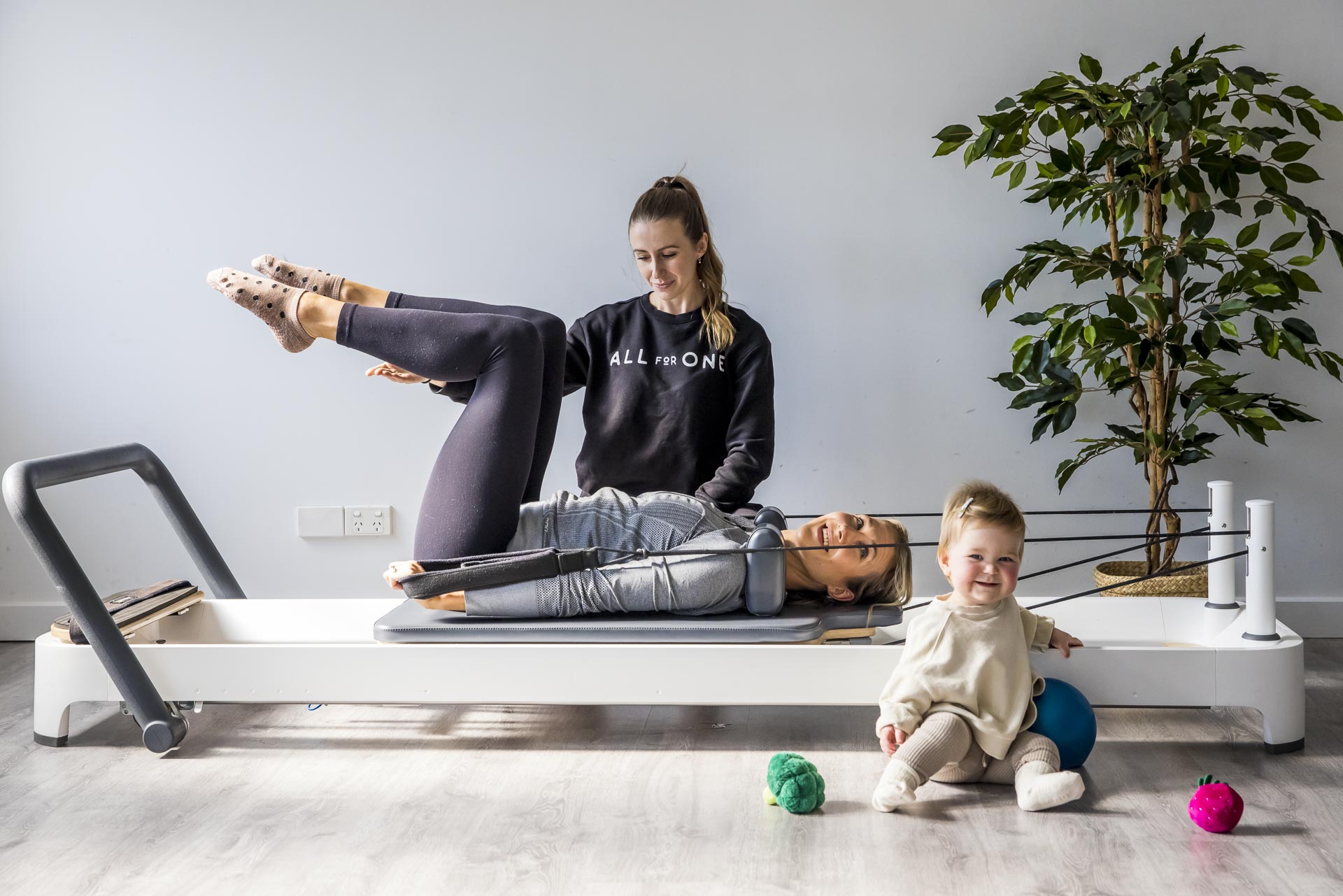
Every pregnancy is different, and RANZCOG recommends a check of your medical and pregnancy history before you start an exercise program. Our women’s health physios start with your history too, and work alongside your doctor or midwife.
They all have postgraduate training in pelvic health. Your appointment begins with your story and an assessment that suits your trimester, and you walk out with a written plan. We can look at your pelvic floor on real-time ultrasound, so you can see it working on the screen instead of guessing. We also help with the things that make moving harder, like pelvic girdle pain, sciatica, rib pain and abdominal separation.
Prenatal Pilates works the same way. It’s run by a physio, you start with a one-on-one assessment, there are only four people in each class, and your program changes as your pregnancy does. No Pilates experience needed.
Book a pregnancy physio appointment
If you and your baby are healthy, Australia’s guidelines suggest 2.5 to 5 hours of moderate activity a week, spread over most days. That’s about 30 to 60 minutes on most days, plus some strength work on at least 2 days and your pelvic floor exercises every day. Moderate means you can still chat while you’re doing it.
If that sounds like a lot, start small. A walk around the block counts. On the days you’re exhausted or nauseous, do what you can and pick it up again when you feel better.
RANZCOG advises that exercises “should not be performed lying flat on the back after the first trimester”, so from about 12 weeks. As your uterus grows it can press on the big vein that carries blood back to your heart. We swap those exercises for versions on your side, sitting, standing or propped up at about 45 degrees. If you ever feel light-headed or a bit off on your back, roll onto your side.
Keep cool, drink plenty of water, and wear loose layers and a supportive bra. On hot days, a swim or an air-conditioned class beats a walk in the sun.
As your balance changes, leave contact sports and anything with a good chance of a fall, like horse riding, until after the baby arrives. Swap heavy lifting and holding your breath for steadier strength work, breathing out as you push.
For most pregnancies, moving is safe and good for both of you, with lower odds of some of the most common pregnancy complications and no sign of extra risk to your baby in the research. You don’t need to train hard. You need to keep moving in a way that suits your pregnancy, and if you’d like help working out what that looks like, our women’s health physios would love to see you.
If any of these happen during or after exercise, stop and talk to your doctor or midwife before you keep going.
If your baby’s movements have slowed down or changed, contact your midwife, hospital birth unit or doctor straight away. Don’t wait until the next day.
Want a plan for your pregnancy?
Book a pregnancy physio appointment, no GP referral needed, or start Prenatal Pilates with a one-on-one assessment. We’ll build it around you and change it as you go.
For most pregnancies, yes. RANZCOG says there’s no evidence that regular exercise in an uncomplicated pregnancy harms you or your baby, and reviews found no rise in preterm birth, low birth weight or miscarriage. If anything about your pregnancy has been flagged, check with your doctor or midwife first.
Yes, if you and your baby are healthy. Start with something manageable, like a short walk each day, and build up slowly.
Moderate is plenty. You should be able to hold a conversation while you’re moving.
RANZCOG advises against exercising flat on your back after the first trimester, which is from about 12 weeks. Lie on your side, sit, stand, or prop yourself up at about 45 degrees instead.
Yes. Women without leaking who did pelvic floor training in pregnancy were 62% less likely to leak late in pregnancy. A women’s health physio can check you’re doing them right.
That’s very normal, especially early on. Do what you can on those days and pick it back up when you feel better.
General information only. This article is general information, not advice for your situation. Every pregnancy is different, so talk to your doctor, midwife, physio or another health professional about your own pregnancy before you start or change any exercise.
All in - 04/11/2026
Prefer to talk? Yarraville (03) 8319 9945 · Hampton East (03) 9086 3740 · Kensington (03) 8319 9946
Please don’t include medical or health information in this form. For clinical questions or appointments, call your studio or book online. Your message goes straight to the studio you choose.
This site is protected by reCAPTCHA and the Google Privacy Policy and Terms of Service apply.

Care from physios who truly understand women’s bodies.
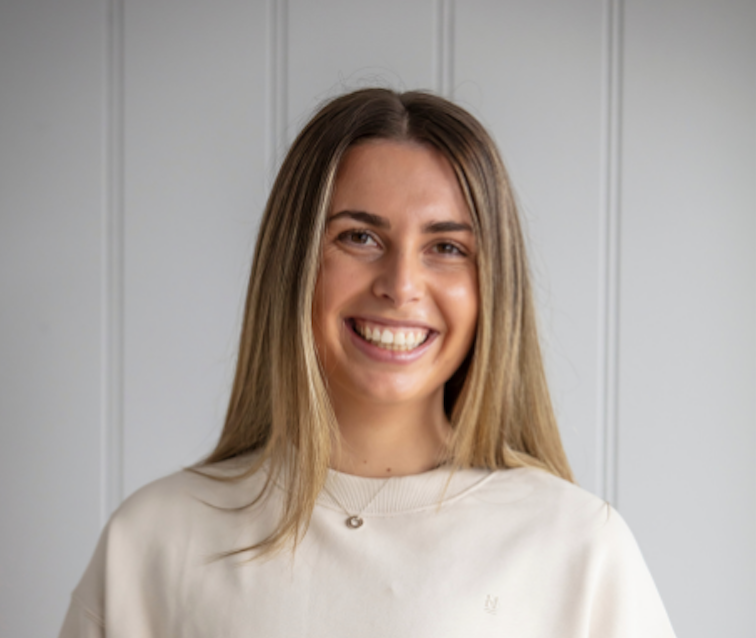
Senior Women’s Health Physiotherapist
Emily has a deep passion for empowering women to take control of their pelvic health. She creates a warm, judgement-free space where you can talk openly about what’s really going on.
With advanced training in pelvic floor rehabilitation, Emily treats a wide range of conditions including incontinence, prolapse, pelvic pain, and pregnancy-related concerns. She takes the time to really listen, explain what’s happening in your body, and build a treatment plan that fits your life. Whether you’re preparing for birth, recovering postpartum, or navigating menopause — Emily is here to help you feel strong and confident again.

Women’s Health Physiotherapist
Tori is passionate about helping women feel heard and supported through every stage of life. She combines clinical expertise with genuine empathy to deliver care that makes a real difference.
Tori brings a holistic, evidence-based approach to treating pelvic floor dysfunction, pregnancy-related pain, and postnatal recovery. She has a special interest in helping women return to exercise safely after having a baby and supporting those with persistent pelvic pain. Tori believes every woman deserves to understand her body and feel empowered in her recovery — no topic is too awkward, and no concern is too small.