All in - 04/11/2026


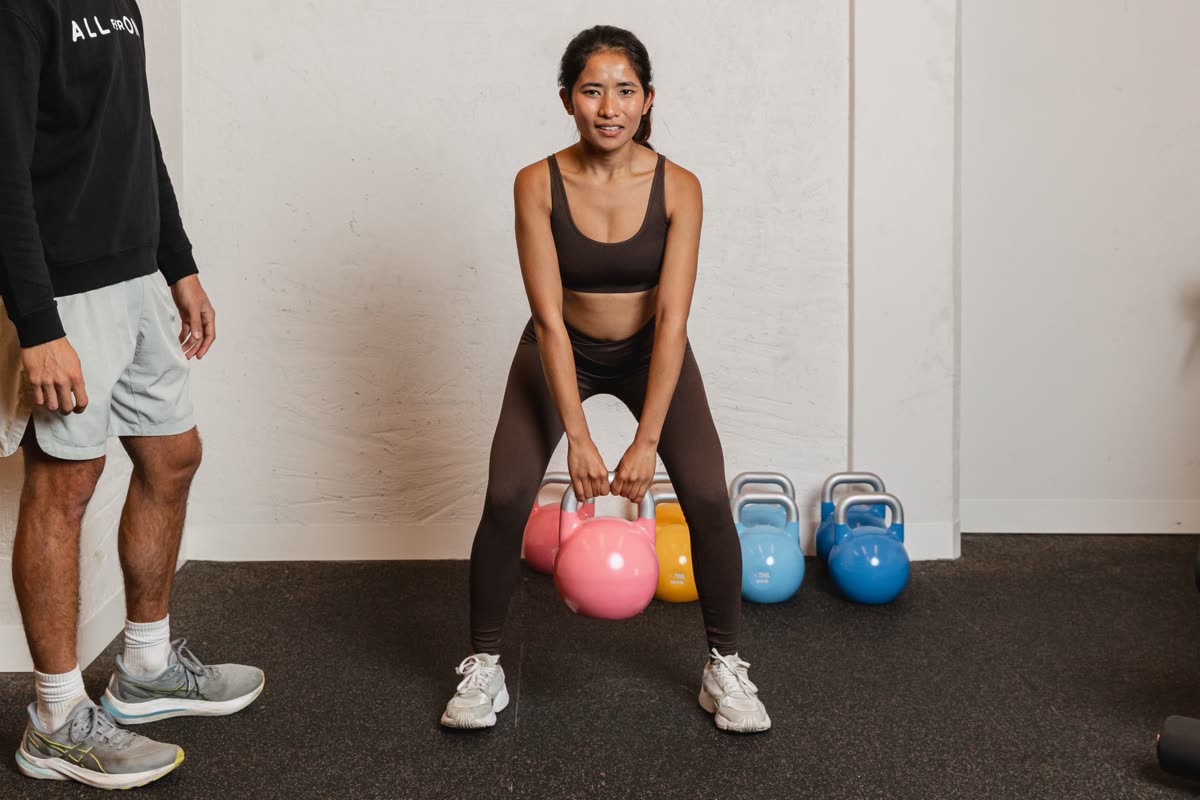
If lifting weights has always looked like something for other people, we’d love to change your mind. Strength training is one of the best things you can do for your body from your 30s onwards, and your first class is a lot friendlier than you’d expect.
Most people walk into their first strength class feeling a bit out of place. Maybe you’re worried you’ll pick up the wrong thing, or that everyone else knows exactly what they’re doing. Maybe you’ve been telling yourself you’ll start once you’re fitter, once your back settles, once the school holidays are over.
Same, honestly. A beginner class is built for exactly that feeling. You build the strength in the room, so you don’t need to bring any with you.
From your 30s and 40s, you have to work a bit harder to hold on to muscle, and muscle is what hauls the pram into the boot, protects your joints and gets you up off the floor after a game with the kids. The research on lifting is encouraging. A 2022 review of 16 long-term studies linked muscle-strengthening activity with a 10 to 17% lower risk of heart disease, cancer, diabetes and dying early. The lowest risk showed up at around 30 to 60 minutes a week, which is about one class.
Strength training is also for bodies that people often think are too fragile for it. In the Australian LIFTMOR trial of 101 women after menopause with low bone mass, the group who did supervised strength and impact training twice a week ended up with better bone density in the spine and better everyday function than the group on a gentle home program. They had a coach beside them the whole way. If you’ve been told you have osteoporosis, start with one of our physios, who can build the right program for your bones.
If you’ve never lifted, or it’s been long enough that you’d rather start again, book Strength Foundations. It teaches you how to move before it worries about weight: how to hinge, squat, press and carry. Strength is the next step, with full-body sessions where every level trains in the same room on different weights. And Midlife Strength is designed and run by our physios for women in perimenopause, menopause and beyond.
Not sure which one’s for you? Give the studio a call and we’ll help you pick.
When you book, tell us about anything on your mind, whether that’s a cranky knee, an old shoulder injury, recent surgery, a health condition or plain old nerves. Your coach will work around it, and there’s a physio down the hall if something needs more than a workaround. If you’re pregnant, start with a pregnancy physio appointment or Prenatal Pilates so your program is built around your pregnancy.
Wear comfortable activewear you can squat in, and runners, and bring a water bottle and a towel. Come 10 minutes early and we’ll show you around and get you set up. Our classes are coached by qualified personal trainers and kept small, so someone’s keeping an eye on your form the whole time.
Most of what you’ll do comes back to four moves you already do every day. Hinging is picking the shopping bags up off the floor. Squatting is getting up from a chair. Pressing is pushing something up onto a high shelf, and carrying is the kids, the washing basket and everything else. In class you practise them on purpose, using your own body weight, dumbbells, kettlebells and, once you’re ready, a barbell.
Classes are 45 minutes and set up as a circuit. Every coach does it a little differently, but it usually goes something like this:
Use the little breaks between stations to get your breath back, ask your coach a question, or grab a lighter weight.
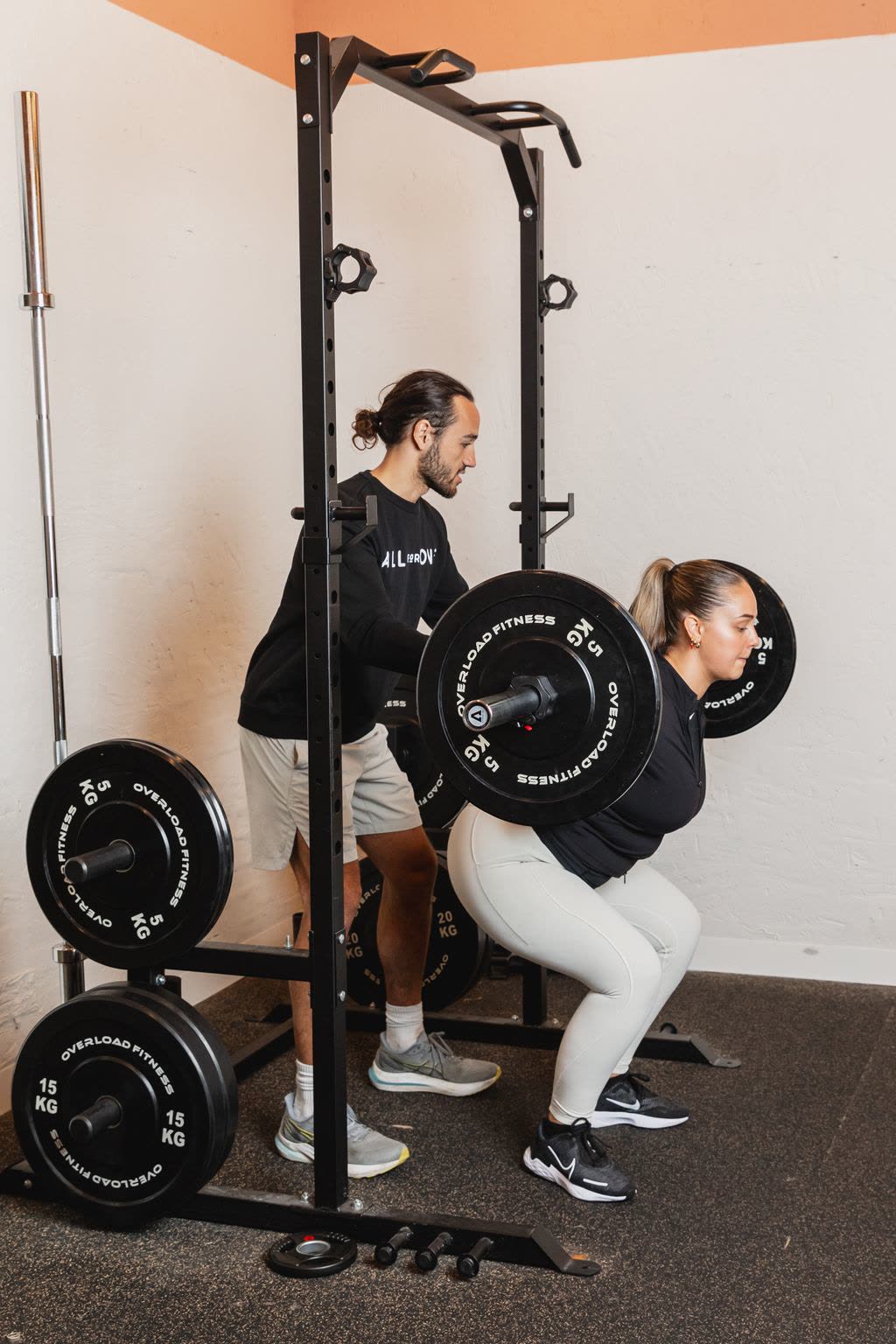
Your first weights will be light on purpose. The first few weeks are about learning how each move feels, and there’s plenty of time to go heavier.
A good beginner weight is one where the last few reps slow down, but you could still squeeze out two or three more with good form. It takes a while to get a feel for that, which is why your coach chooses your weights with you to begin with. If your technique starts to change just to get the weight up, it’s too heavy for today.
Muscles that burn or shake near the end of a set are working hard, and that’s a good sign. Sharp pain, pain that catches, or pain in an old injury is different, so put the weight down and tell your coach.
Worried about getting bulky? Most of the strength you gain early on comes from your nerves learning to use the muscles you already have. What most people notice first is that everyday things get easier, like getting all the shopping in from the car in one trip or lifting a sleeping toddler without that twinge in your back.
A day or two later you might feel it walking down the stairs. That’s delayed onset muscle soreness, or DOMS, and it usually starts one to three days after a new workout and settles within five days. A walk and a gentle stretch help. If the pain is sharp and constant, lasts more than a week, comes with a lot of swelling, or your urine is unusually dark, see a doctor that day.
Australia’s guidelines recommend muscle-strengthening activity on 2 or more days a week, and it’s worth giving a muscle group up to 48 hours to recover in between. So two classes a week with a gap between them is a good rhythm to aim for. If one a week is what fits your life right now, start there. Showing up regularly is what makes the difference.
If you’d like numbers to measure your progress against, you can also book a Strength Assessment with one of our physios. It’s completely optional.
You don’t need to be fit, sporty or confident to start strength training. Book Strength Foundations, start light, focus on how each move feels, and come back next week. Stick with it, and you’ll start noticing the everyday stuff, like the stairs with a toddler on your hip, feels easier.
A small niggle is something your coach can work around. If you’ve got ongoing pain, a significant injury, or you’re recovering from surgery, start with a physio appointment or clinical Pilates. A physio can work out where to start and what to watch for, and you can move into strength classes from there.
In any class, stop and tell your coach if you get chest pain or feel faint.
Ready for your first class?
Our strength classes run in small groups at Yarraville and Hampton East. Book Strength Foundations if you’re new, come 10 minutes early, and your coach will look after you from there.
No. Strength Foundations is designed for people who’ve never lifted. Your coach teaches each movement and picks your first weights with you.
Comfortable activewear you can move in, and runners. Bring a water bottle and a towel.
Light enough that you finish each set feeling you could do two or three more good reps. You can go lighter or heavier at any time.
Early on, most of your strength comes from your nerves and muscles learning to work together. What most people notice first is that everyday jobs get easier.
Yes. Soreness usually starts one to three days after a new workout and settles within five days. Sharp pain, or pain that lasts more than a week, is worth getting checked.
Australia’s guidelines recommend muscle-strengthening activity on 2 or more days a week. Starting with one class a week and building up works well for most people.
General information only. This article is general information, not advice for your situation. Everyone’s body and health are different, so talk to your physio, GP or another health professional before you start a new exercise program, especially if you have an injury, a health condition or are pregnant.
All in - 04/11/2026
Prefer to talk? Yarraville (03) 8319 9945 · Hampton East (03) 9086 3740 · Kensington (03) 8319 9946
Please don’t include medical or health information in this form. For clinical questions or appointments, call your studio or book online. Your message goes straight to the studio you choose.
This site is protected by reCAPTCHA and the Google Privacy Policy and Terms of Service apply.

Care from physios who truly understand women’s bodies.
Senior Women’s Health Physiotherapist
Emily has a deep passion for empowering women to take control of their pelvic health. She creates a warm, judgement-free space where you can talk openly about what’s really going on.
With advanced training in pelvic floor rehabilitation, Emily treats a wide range of conditions including incontinence, prolapse, pelvic pain, and pregnancy-related concerns. She takes the time to really listen, explain what’s happening in your body, and build a treatment plan that fits your life. Whether you’re preparing for birth, recovering postpartum, or navigating menopause — Emily is here to help you feel strong and confident again.

Women’s Health Physiotherapist
Tori is passionate about helping women feel heard and supported through every stage of life. She combines clinical expertise with genuine empathy to deliver care that makes a real difference.
Tori brings a holistic, evidence-based approach to treating pelvic floor dysfunction, pregnancy-related pain, and postnatal recovery. She has a special interest in helping women return to exercise safely after having a baby and supporting those with persistent pelvic pain. Tori believes every woman deserves to understand her body and feel empowered in her recovery — no topic is too awkward, and no concern is too small.