All in - 04/11/2026

Bones are the one part of your body that never tells you it’s in trouble. The habits that keep them strong are worth starting well before menopause, and you don’t need a scan first.
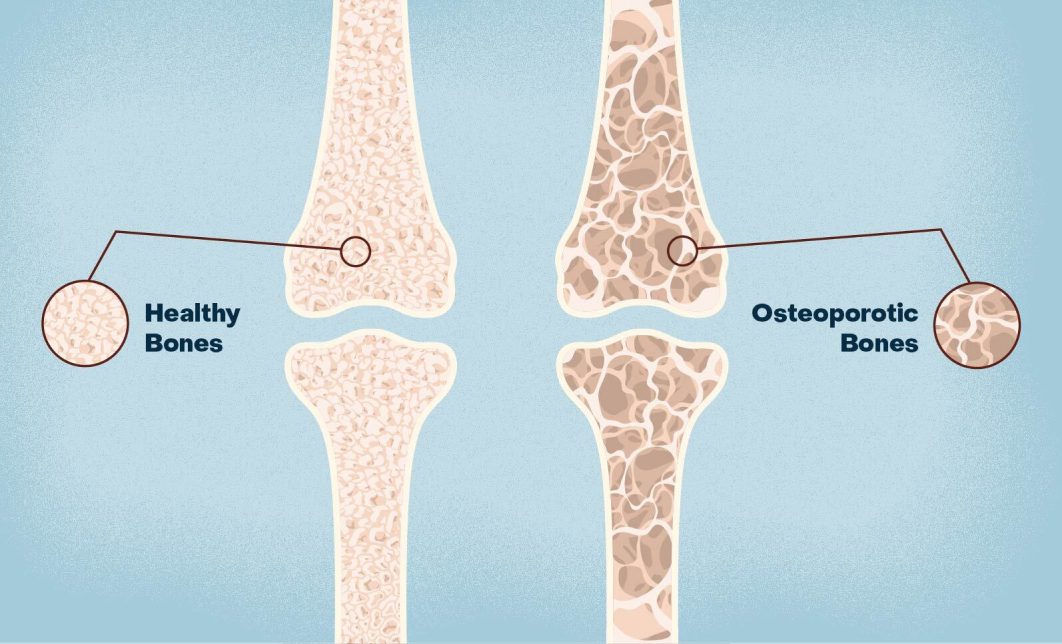
Nobody gives their bones a thought until someone’s mum breaks a hip stepping off a kerb. That’s how most of us first meet osteoporosis, decades after the years that built it: your bones peak around 30, and up to 10% can go in the five years after your last period, as oestrogen stops holding them together. At the other end is the woman in her 40s holding her first bone density scan, asking what she can do about the number. The answer is three habits, and none of them need a scan first: what you feed your bones, how hard you load them, and how well you stay on your feet.
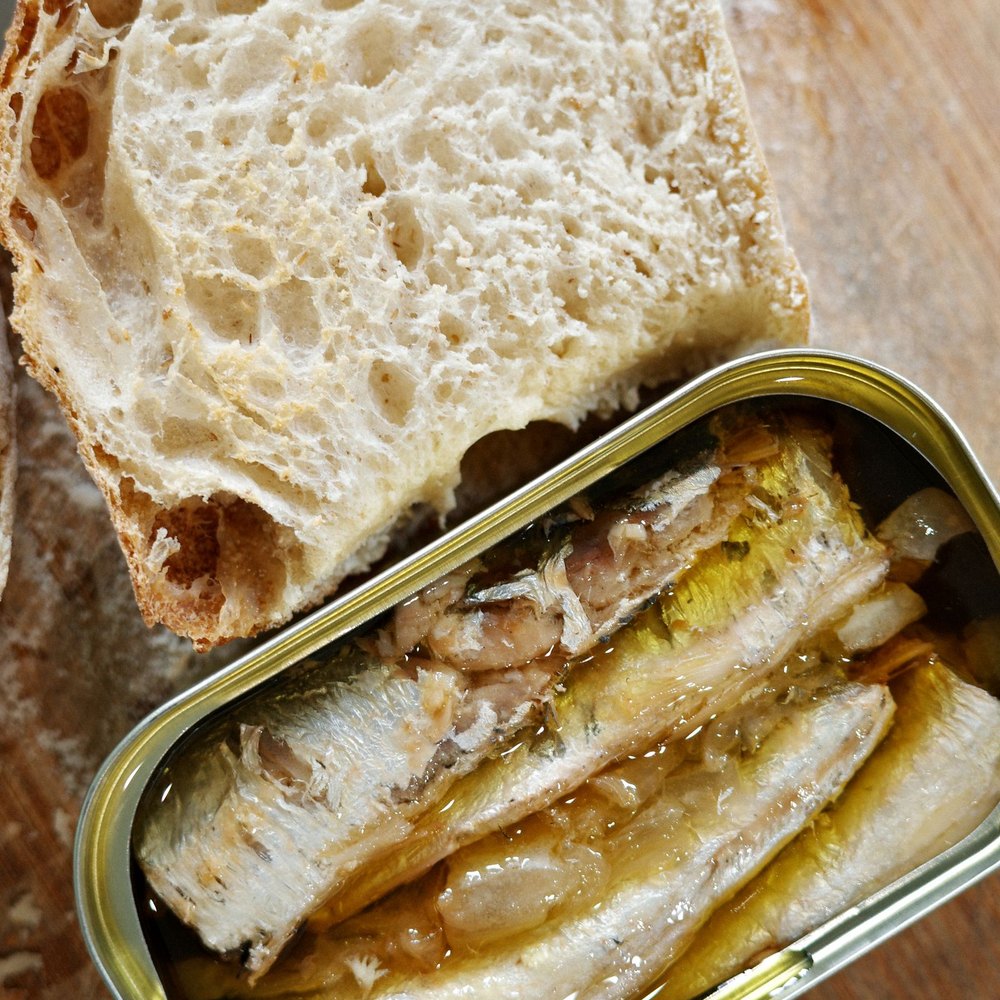
Get your calcium from food. Before 50 you need about 1,000 mg a day, and once you’re over 50 it’s 1,300 mg, because after menopause you absorb less and lose more. A glass of milk or a tub of yoghurt is about 300 mg and a slice of cheese about half that, so 1,300 mg is three to four serves a day, and a tin of sardines on toast, bones and all, counts as one. Fortified soy milk and calcium-set tofu count too.
Let the sun make the vitamin D. In a Melbourne summer a few minutes around midday with arms and legs uncovered, four times a week, does the job, and darker skin needs longer. Sunscreen goes back on once the UV index reaches 3, and stays on if you burn easily or have had a skin cancer. In winter you’d need an hour or more at midday, so if you’re mostly indoors, cover up or have darker skin, your GP may suggest a blood test and a supplement.
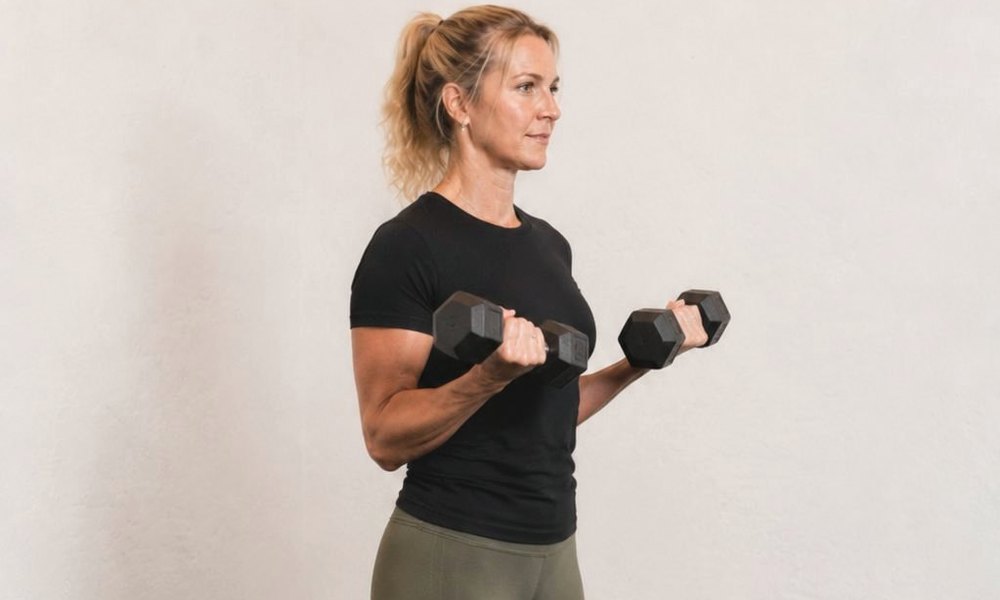
Bone only builds where you ask more of it than it’s used to, which is why a daily walk does little for your spine. It responds to heavy resistance work and to impact.
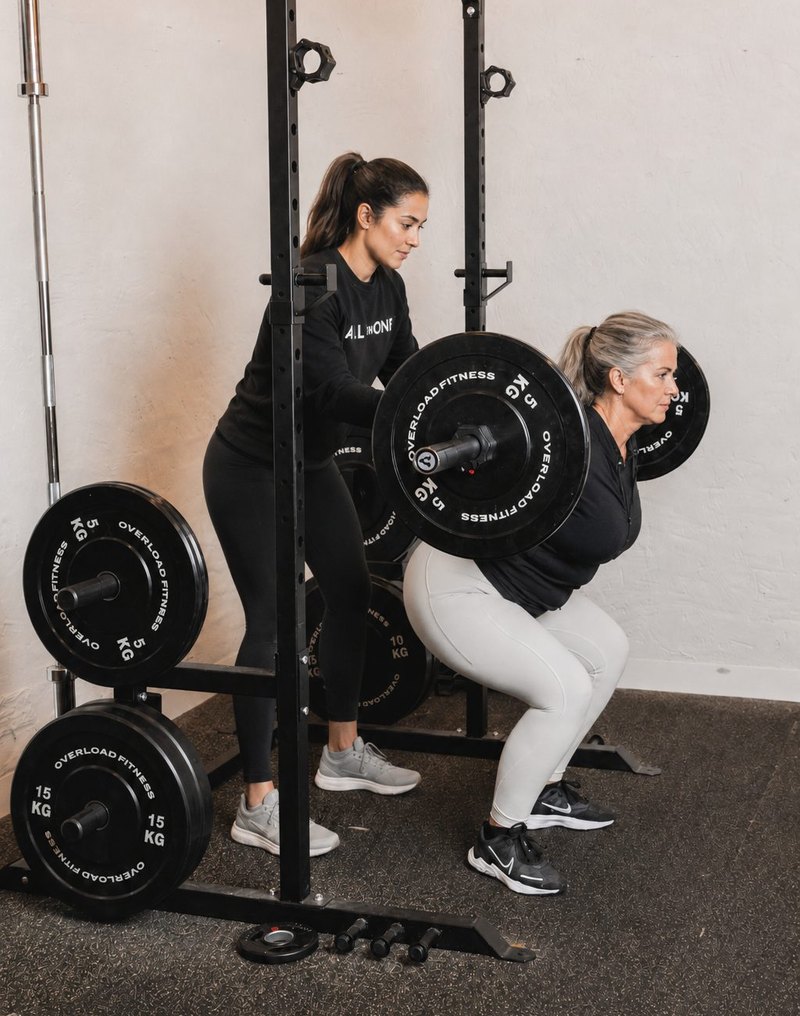
Our physios keep coming back to one Australian trial: 101 women around 65 with low bone density lifted heavy, with a few jump-and-land drills, in a supervised half-hour twice a week for eight months, while a second group did gentle exercise at home. Spine density rose 2.9% in the lifting group and fell 1.2% in the home group, and the only injury in eight months was one minor back spasm.
Lift something heavy. Heavy means the last couple of reps are a struggle, at least twice a week, with the weight going up as you get stronger. Start lighter than you think and learn the lifts first, which is what Strength Foundations is for. If you have osteoporosis, a spinal fracture or a back that worries you, have a physio set the program first: the one caution in the guideline is heavy or repeated bending and twisting through the spine. Midlife Strength was built by our physios for women in perimenopause and beyond, and our strength classes have a coach watching your form.
Add some landings. Impact means a firm, quick landing: skipping, star jumps or a jog. The GP guideline says at least 50 most days for women past menopause whose fracture risk is low, so work up to it. With osteoporosis, a spinal fracture or arthritis, a physio tailors the impact. If you’re pregnant, in the first months after a baby, or you leak when you jump, leave the landings until a women’s health physio has checked your pelvic floor.
Keep the drinks under the limit. More than two standard drinks a day is on the risk list GPs use, and the national guideline is no more than 10 a week and four on any one day. Smoking is on the same list, one more reason to stop.
Practise standing on one leg. About a third of people over 65 fall each year, exercise cuts falls by 23%, and the programs that did best paired balance with strength. Brushing your teeth on one foot, a hand near the basin, is a fine place to start.
A DEXA scan is a low-dose X-ray of your hip and spine that takes 10 to 15 minutes. Medicare rebates it from 70, and before that your GP goes by the risk factors in the box below.
You don’t need the scan or a referral to start Strong Bones. It begins one-on-one with a physio who goes through your history and any scan results, measures your strength and balance, and builds the program from there.
Get your calcium to 1,000 mg a day, or 1,300 once you’re over 50. Lift something heavy twice a week and skip or jump a little most days. If you’d rather measure than guess how heavy is heavy enough, our physios can.
Strong Bones
Strong Bones is our bone-density program: heavy lifting and impact with a physio watching your form. It starts one-on-one, then leads into Clinical Pilates and Midlife Strength classes on a program set for you. No referral and no scan needed.
Yes: 1,300 mg a day instead of 1,000 mg, three to four serves of dairy.
Only a little. In the trials, walking didn’t change spine density, and only helped the hip after six months or more.
For bone density on its own, no. In the few trials that measured bone, Pilates made no difference, so add heavy lifting and a few jumps. In Strong Bones the Clinical Pilates step follows your own program, which can include load.
The women in the Australian trial were screened first and coached for all eight months, and the only injury was one minor back spasm. That’s why Strong Bones starts one-on-one.
No. If you haven’t had a DEXA we’ll point you in the right direction.
General information only. This article is general information, not advice for your situation. Bone health depends on your history and your scan results. Talk to your GP or one of our physios before you change your exercise or start a supplement, and sooner if you’ve had a fracture, you’re pregnant or recently had a baby, or you take osteoporosis medication.
All in - 04/11/2026

Prefer to talk? Yarraville (03) 8319 9945 · Hampton East (03) 9086 3740 · Kensington (03) 8319 9946
Please don’t include medical or health information in this form. For clinical questions or appointments, call your studio or book online. Your message goes straight to the studio you choose.
This site is protected by reCAPTCHA and the Google Privacy Policy and Terms of Service apply.

Care from physios who truly understand women’s bodies.
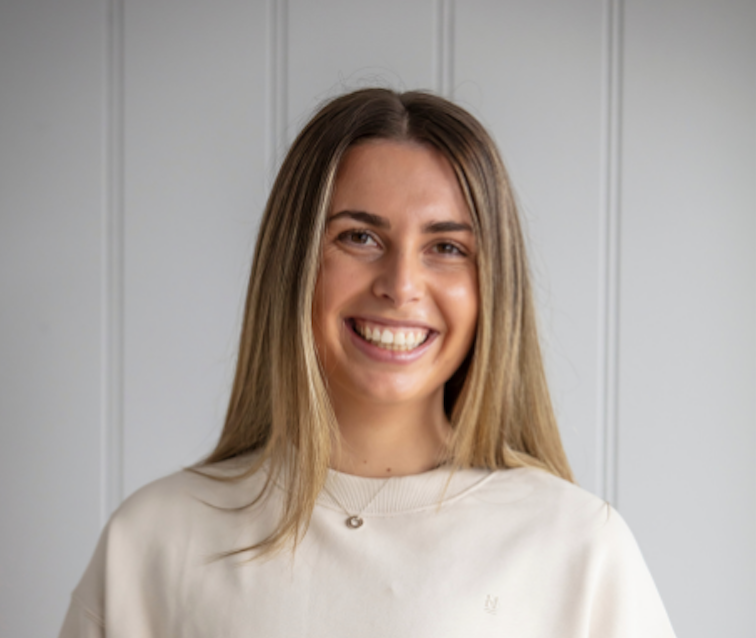
Senior Women’s Health Physiotherapist
Emily has a deep passion for empowering women to take control of their pelvic health. She creates a warm, judgement-free space where you can talk openly about what’s really going on.
With advanced training in pelvic floor rehabilitation, Emily treats a wide range of conditions including incontinence, prolapse, pelvic pain, and pregnancy-related concerns. She takes the time to really listen, explain what’s happening in your body, and build a treatment plan that fits your life. Whether you’re preparing for birth, recovering postpartum, or navigating menopause — Emily is here to help you feel strong and confident again.
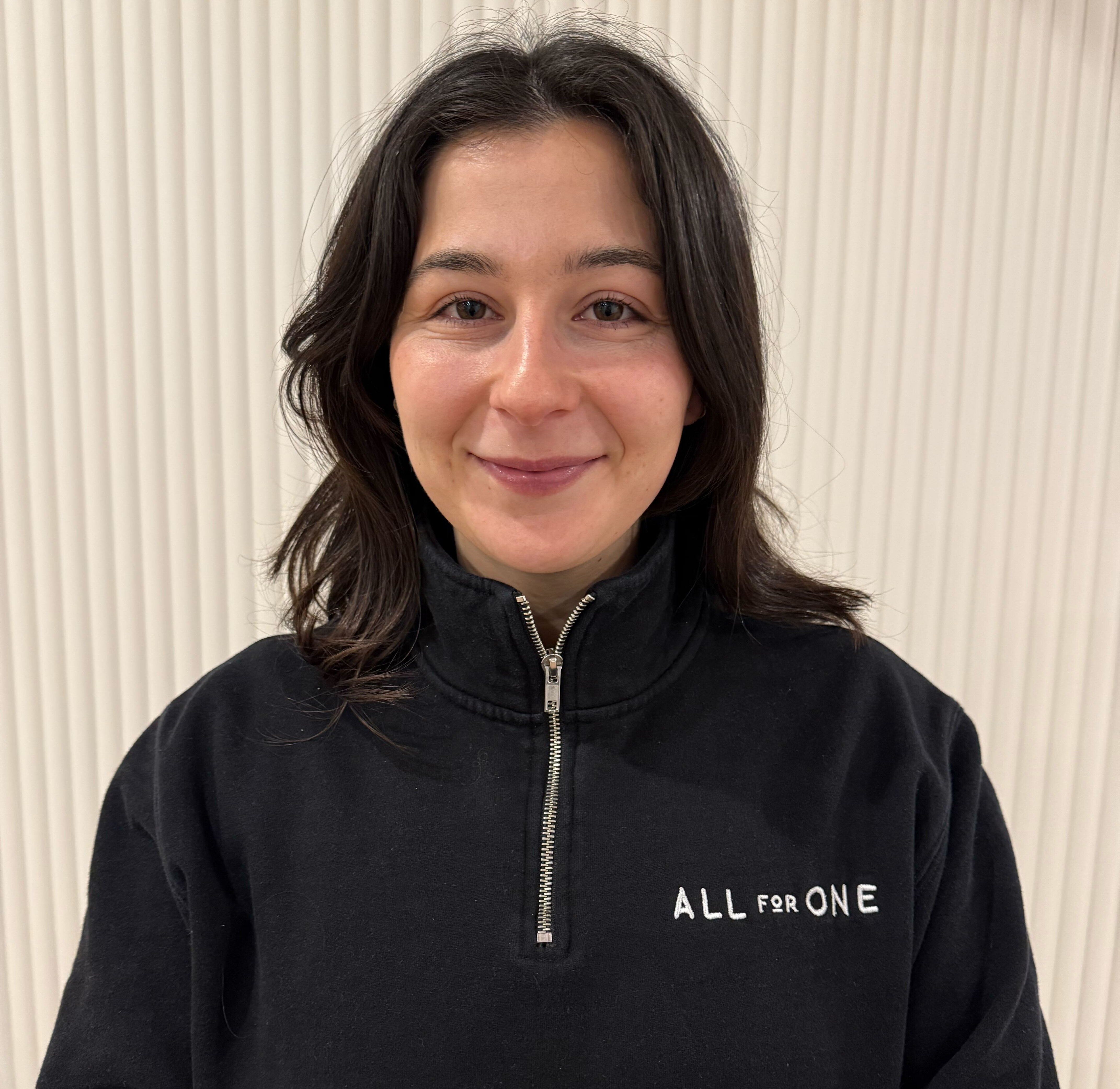
Women’s Health Physiotherapist
Tori is passionate about helping women feel heard and supported through every stage of life. She combines clinical expertise with genuine empathy to deliver care that makes a real difference.
Tori brings a holistic, evidence-based approach to treating pelvic floor dysfunction, pregnancy-related pain, and postnatal recovery. She has a special interest in helping women return to exercise safely after having a baby and supporting those with persistent pelvic pain. Tori believes every woman deserves to understand her body and feel empowered in her recovery — no topic is too awkward, and no concern is too small.