All in - 30/09/2026
All in - 30/09/2026
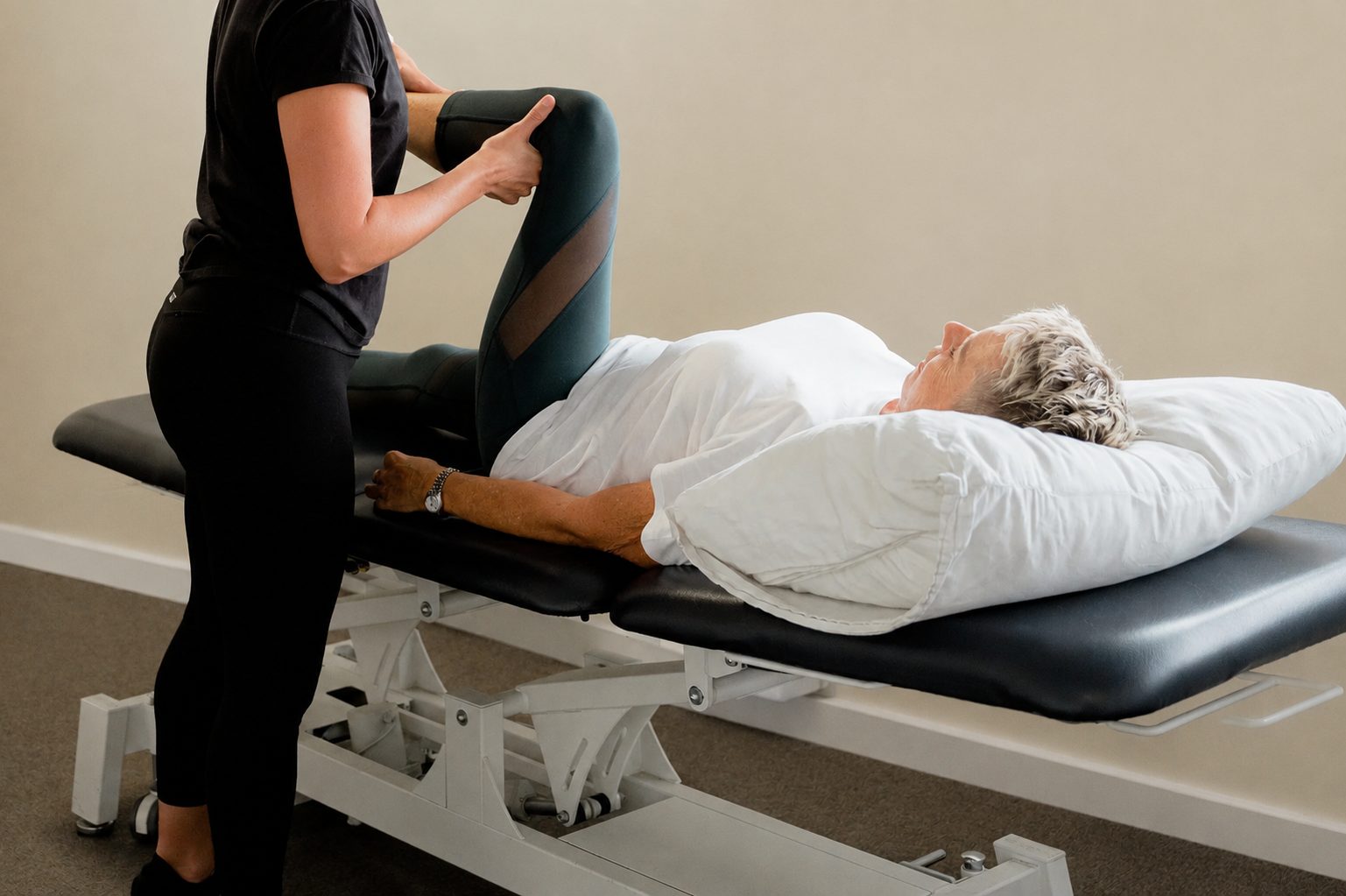
Hip Arthritis Symptoms: Where It Hurts and What Helps
The common signs, how it differs from pain on the side of the hip, and what to do next.
READ MORE
Cortisol has become the explanation for everything. The tiredness, the puffiness, the middle that’s changed. The real story is calmer than that, and a lot more useful.
You’re tired in a way that a good night’s sleep doesn’t seem to touch. Your face looks a bit puffier than it used to. Your middle has changed shape and you’re not entirely sure when that happened.
And somewhere in the last few months, your feed started offering you one answer for all of it. Cortisol.
It’s a tidy story, and it’s told well. One hormone behind the tiredness, the puffiness, the weight, the mood. One supplement to fix it. If you’ve found yourself half-believing it, that’s not naivety. It’s a good story told at you a hundred times.
It’s also, mostly, not true.
Cortisol is one of the hormones keeping you upright.
It helps manage your blood pressure, your metabolism, your immune system, your inflammation and your sleep-wake cycle. You need it to get out of bed in the morning. In a body that’s working well, it runs on a daily rhythm: it rises about half an hour after you wake, which is part of what gets you going, and it winds down through the evening so you can sleep.
That rise and fall isn’t a malfunction. It’s the system doing its job.
So when a video tells you cortisol is the thing wrecking your body, it’s describing something close to the opposite of the truth. You were never meant to have low cortisol. You were meant to have a rhythm.
This is the part worth being clear about, because those two phrases are doing a lot of work online.
There is a genuinely puffy, rounded face that doctors recognise, sometimes called moon face. It’s real. It also only appears with sustained, medical-level cortisol excess, which is rare. The ordinary puffiness you might notice in the mirror some mornings usually comes down to much less exciting things: salt, a glass of wine, a broken night’s sleep, fluid that settled while you were lying down. Calling it cortisol skips straight past the things actually causing it.
“Cortisol belly” works the same way. Yes, genuinely elevated cortisol over a long stretch can increase appetite and encourage the body to store fat around the middle. But it’s one factor among many, and for most people it’s a small one. What changes around your midsection has far more to do with sleep, how much you’re eating, how much muscle you’re carrying, how much you’re moving and what stage of life you’re in.
Here’s the part that bothers us most. “Cortisol belly” takes something women have been made to feel bad about for decades and gives it a new, scientific-sounding name. The anxiety is the same as it ever was. It’s just wearing a lab coat now.
None of this means cortisol never goes wrong. It does. It’s just uncommon, and it doesn’t look like what you’ve been shown.
There’s a medical condition called Cushing’s syndrome, where the body is exposed to far too much cortisol over time. It’s serious, it’s treatable, and it needs a doctor. It’s also rare, affecting roughly one to three people in a million each year. If that’s what’s happening, no supplement is going to touch it.
Separately, long stretches of real, sustained stress can keep cortisol raised in a way that genuinely wears you down. That can show up as broken sleep, fatigue that rest doesn’t fix, a shorter fuse than usual, foggy thinking, an unsettled stomach. If you’re reading that list and nodding, please don’t dismiss it. That’s worth taking seriously.
But notice what it actually is. That’s a nervous system that’s been under load for a long time. The cortisol isn’t the problem. It’s the report.
This is where the trend starts costing you money.
The cortisol-balancing supplements, mostly adaptogens, are sold on the idea that they reset or rebalance your hormones. That claim isn’t scientifically accurate. These products aren’t held to the same standards of testing as medications, and the idea that a capsule can retune your endocrine system back to baseline is marketing rather than physiology.
The at-home cortisol tests have a different problem. Cortisol is supposed to swing across the day, high in the morning and low at night. One reading, taken at home, at whatever time you got around to it, with nobody to interpret it, tells you very little. What it does reliably produce is a number alarming enough to sell you the next thing.
If you take one thing from this article, make it this. The parts of this trend that cost money are the parts with the least evidence behind them.
The genuinely good news is that the things which keep your stress system healthy are things you already have access to. None of them are for sale.
Get light into your eyes early. Daylight within the first half hour or so of waking helps anchor your whole daily rhythm. Standing outside with your coffee counts. So does the walk to school drop-off.
Give it an hour before the coffee, if you can. Caffeine straight after waking lands on top of your natural morning peak. Pushing it back an hour is a small change that tends to help both the jitteriness and the afternoon crash.
Keep your wake time consistent. This does more for your hormonal rhythm than any supplement will. Sleep and cortisol are two ends of the same system. Steady one and you steady the other.
Match the exercise to the week you’re having. Strength training and regular movement are two of the most reliable ways to buffer your body against stress, and we’d never talk you out of them. But in a genuinely difficult stretch, a walk, a swim or a gentler class can be kinder to your system than pushing yourself into the ground. Both belong in your life. The skill is reading which one this week is asking for.
Breathe, properly, for a minute. It sounds too simple to bother with. It isn’t. Even a minute of slow breathing shifts your nervous system out of high alert, and it works on the actual mechanism rather than on a hormone’s reputation.
Look at that list again. Daylight, sleep, movement, breathing. These aren’t cortisol hacks. They’re the ordinary basics of looking after yourself, and they happen to be exactly what your stress system needs.
Your cortisol is almost certainly fine. It’s a hormone doing a necessary job on a daily rhythm, and it is very unlikely to be the reason for the face in the mirror or the shape of your middle. Real cortisol disorders exist, they’re rare, and they need a doctor rather than a discount code.
The tiredness, though. The feeling of running on empty in a way that a weekend doesn’t fix. That part is real, and it deserves better than a supplement.
It gets better the slow way. Sleep, daylight, movement you actually enjoy, and the occasional deliberate breath. Less dramatic than the version you’ve been sold. Far more likely to work.
All in - 30/09/2026
All in - 30/09/2026
The common signs, how it differs from pain on the side of the hip, and what to do next.
READ MOREPrefer to talk? Yarraville (03) 8319 9945 · Hampton East (03) 9086 3740 · Kensington (03) 8319 9946
Please don’t include medical or health information in this form. For clinical questions or appointments, call your studio or book online. Your message goes straight to the studio you choose.
This site is protected by reCAPTCHA and the Google Privacy Policy and Terms of Service apply.

Specialist care from physios who truly understand women’s bodies.

Senior Women’s Health Physiotherapist
Emily has a deep passion for empowering women to take control of their pelvic health. She creates a warm, judgement-free space where you can talk openly about what’s really going on.
With advanced training in pelvic floor rehabilitation, Emily treats a wide range of conditions including incontinence, prolapse, pelvic pain, and pregnancy-related concerns. She takes the time to really listen, explain what’s happening in your body, and build a treatment plan that fits your life. Whether you’re preparing for birth, recovering postpartum, or navigating menopause — Emily is here to help you feel strong and confident again.

Women’s Health Physiotherapist
Tori is passionate about helping women feel heard and supported through every stage of life. She combines clinical expertise with genuine empathy to deliver care that makes a real difference.
Tori brings a holistic, evidence-based approach to treating pelvic floor dysfunction, pregnancy-related pain, and postnatal recovery. She has a special interest in helping women return to exercise safely after having a baby and supporting those with persistent pelvic pain. Tori believes every woman deserves to understand her body and feel empowered in her recovery — no topic is too awkward, and no concern is too small.