Physiotherapy - 30/10/2026
NDIS Physio in Kensington
For self-managed and plan-managed participants, at KCARC, in the pool or at home.
READ MORE
Whatever it is, someone here has treated it many times before.
Pelvic health problems are common, private, and far more treatable than most women are told. Our women’s health physiotherapists have postgraduate training in this area and see women from Brighton East at the Hampton East studio, a few minutes down the Nepean Highway. No referral needed, and you can book yourself in tonight.
No referral needed · HICAPS on the spot · Rated 4.9 across 260+ Google reviews · Evening and Saturday appointments
If you recognise yourself in one of these, it is worth an appointment. None of them are things you have to put up with.
Stress incontinence when you cough, sneeze, lift or run. Urgency and frequency, and the habit of mapping every toilet before you leave the house. Bowel urgency and incomplete emptying.
Pelvic organ prolapse, dragging or heaviness that builds through the day, and the pressure that arrives when you lift. Physiotherapy is the recommended first-line treatment before surgery is considered, and we also handle recovery afterwards.
Persistent pelvic pain, pain with intimacy (dyspareunia), pain linked to endometriosis, and pain that has been investigated without a clear answer. Overactive pelvic floor muscles are a common and treatable cause, and so is scar tissue that has never been worked on.
Pelvic girdle pain, lower back and hip pain, and clear guidance on what is safe to keep doing. See pregnancy physiotherapy for what pregnancy care involves.
Abdominal separation (diastasis recti), leakage, a pelvic floor that is not switching on, and a staged return to exercise. Your 6 week postnatal check is the usual starting point, then postnatal physiotherapy.
Preparation and rehabilitation around gynaecological surgery, including hysterectomy and prolapse repair, plus caesarean scar work. You go in stronger and come back to normal life on a plan.
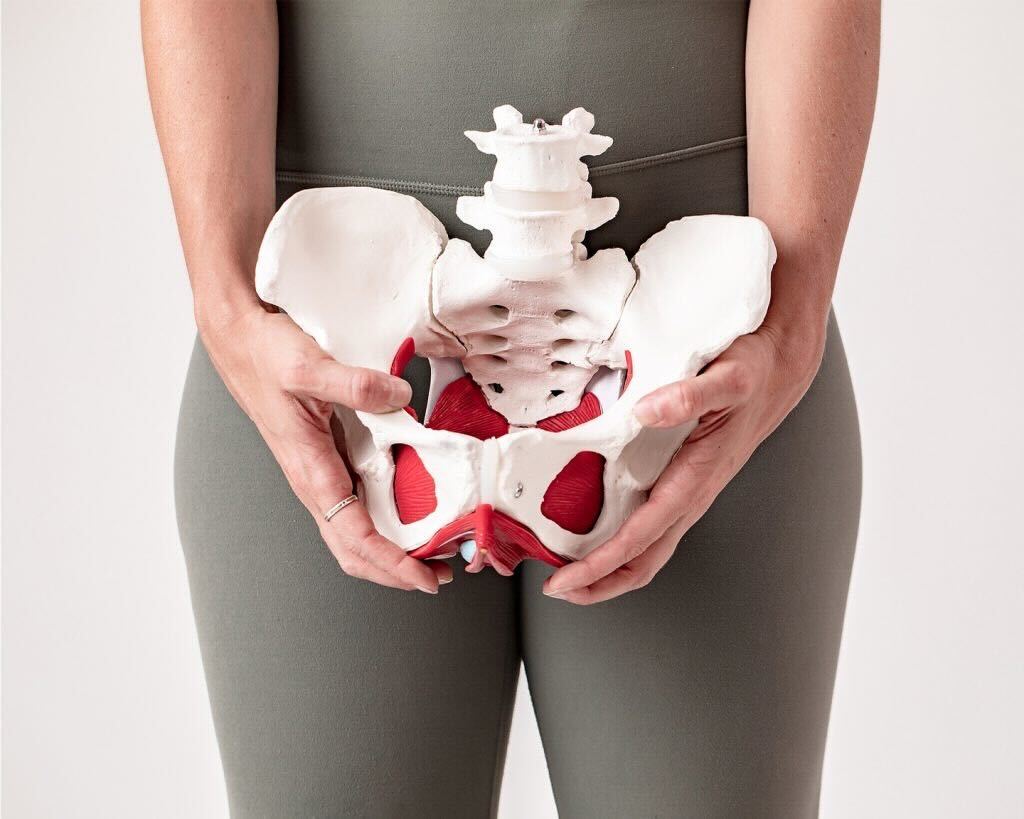
An answer, first. An assessment measures what your pelvic floor is doing rather than assuming it, which is the difference between a program built for you and a generic sheet of exercises. Most women have been doing their pelvic floor exercises wrong or in the wrong direction, and finding that out changes everything that follows.
Then the benefits people actually come for: running without leaking, lifting your toddler without pressure, sleeping through without a bathroom trip, managing the pelvic changes that arrive with menopause, and going back to the gym without wondering whether you are making something worse. The work is specific, it is progressive, and you can feel it changing.
Knowing what happens is usually the thing standing between women and booking, so here it is.
What is happening, how long for, what you have already tried, and what you want to get back to. That last one shapes the plan more than anything else.
An internal examination gives the clearest picture, and many women choose it. You can decline it, and real-time ultrasound and external assessment are proper alternatives. Nothing happens without your say-so.
Specific to what we found and built around your actual week. You will know what you are doing, why, and roughly how long it should take.
Appointments run at our Hampton East studio on the Nepean Highway, a few minutes from Brighton East, with on-site parking at the front of the building.
1/854-860 Nepean Hwy
Hampton East VIC 3188
If you are in Brighton East and looking for women’s health physiotherapy, pelvic floor therapy, pregnancy care or postnatal recovery, book an appointment and find out what is actually going on. No referral needed, HICAPS on the spot.
No. You can book directly. HICAPS is on the spot, so private health rebates come off the price then and there, and Medicare Care Plans, TAC and WorkCover are welcome.
It should not be painful. An internal examination is gentle, it is explained before anything happens, and it is entirely your choice. Plenty of women have their first appointment with no internal assessment at all.
Physiotherapy is the recommended first-line treatment and it reduces symptoms considerably for most women, through pelvic floor training, load management and support options. It is also what surgeons want you doing before and after any prolapse repair.
No. Pelvic floor muscles respond to training at any age, and long-standing incontinence improves with the right program. Length of time is not the barrier people assume it is.
Usually within the week, and we hold weeknight and Saturday morning appointments for women who cannot take time off work. Book online or call the studio.
Yes. Babies are welcome, and Mums and Bubs classes run with your baby beside you from six weeks postpartum.
Physiotherapy - 30/10/2026

Physiotherapy - 30/10/2026
For self-managed and plan-managed participants, at KCARC, in the pool or at home.
READ MOREPrefer to talk? Yarraville (03) 8319 9945 · Hampton East (03) 9086 3740 · Kensington (03) 8319 9946
Please don’t include medical or health information in this form. For clinical questions or appointments, call your studio or book online. Your message goes straight to the studio you choose.
This site is protected by reCAPTCHA and the Google Privacy Policy and Terms of Service apply.

Care from physios who truly understand women’s bodies.

Senior Women’s Health Physiotherapist
Emily has a deep passion for empowering women to take control of their pelvic health. She creates a warm, judgement-free space where you can talk openly about what’s really going on.
With advanced training in pelvic floor rehabilitation, Emily treats a wide range of conditions including incontinence, prolapse, pelvic pain, and pregnancy-related concerns. She takes the time to really listen, explain what’s happening in your body, and build a treatment plan that fits your life. Whether you’re preparing for birth, recovering postpartum, or navigating menopause — Emily is here to help you feel strong and confident again.

Women’s Health Physiotherapist
Tori is passionate about helping women feel heard and supported through every stage of life. She combines clinical expertise with genuine empathy to deliver care that makes a real difference.
Tori brings a holistic, evidence-based approach to treating pelvic floor dysfunction, pregnancy-related pain, and postnatal recovery. She has a special interest in helping women return to exercise safely after having a baby and supporting those with persistent pelvic pain. Tori believes every woman deserves to understand her body and feel empowered in her recovery — no topic is too awkward, and no concern is too small.