Physiotherapy - 30/10/2026
NDIS Physio in Kensington
For self-managed and plan-managed participants, at KCARC, in the pool or at home.
READ MORE
Leaking, heaviness and pelvic pain are common. None of them are something you have to live with.
Most women wait years before mentioning it, usually because someone told them it was just what happens after a baby, or just what happens in your forties. Pelvic floor problems respond to treatment at every age, including through menopause. Our women’s health physiotherapists see women from Highett at the Hampton East studio, five minutes up the Nepean Highway.
No referral needed · HICAPS on the spot · Postgraduate-trained women’s health physios · Evening and Saturday appointments

Leaking when you cough, sneeze, lift or run. A heaviness or dragging that gets worse by the end of the day. Needing to know where every toilet is. Pelvic pain, or pain with intimacy. A core that feels like it is not switching on. Pelvic floor strength and function is measurable, and once it is measured it can be trained.
We treat incontinence, prolapse and pelvic pain, postnatal recovery, and the pelvic changes that come with menopause. What you get is an assessment that tells you what is actually happening, then a plan you can follow, rather than a pamphlet telling you to do more Kegels.
The part most women worry about, answered plainly, because not knowing is the main reason people put this off.
You tell us what is happening, how long it has been going on and what you want back. Nothing happens until you know what it is and why we would do it.
An internal examination gives the clearest picture of pelvic floor strength and function, and many women choose it. You can also decline it. Real-time ultrasound and external assessment are genuine alternatives and we will tell you what each one can and cannot show.
Written down, specific to what we found, and built around your week rather than an ideal one. Most women feel a difference inside a handful of appointments.
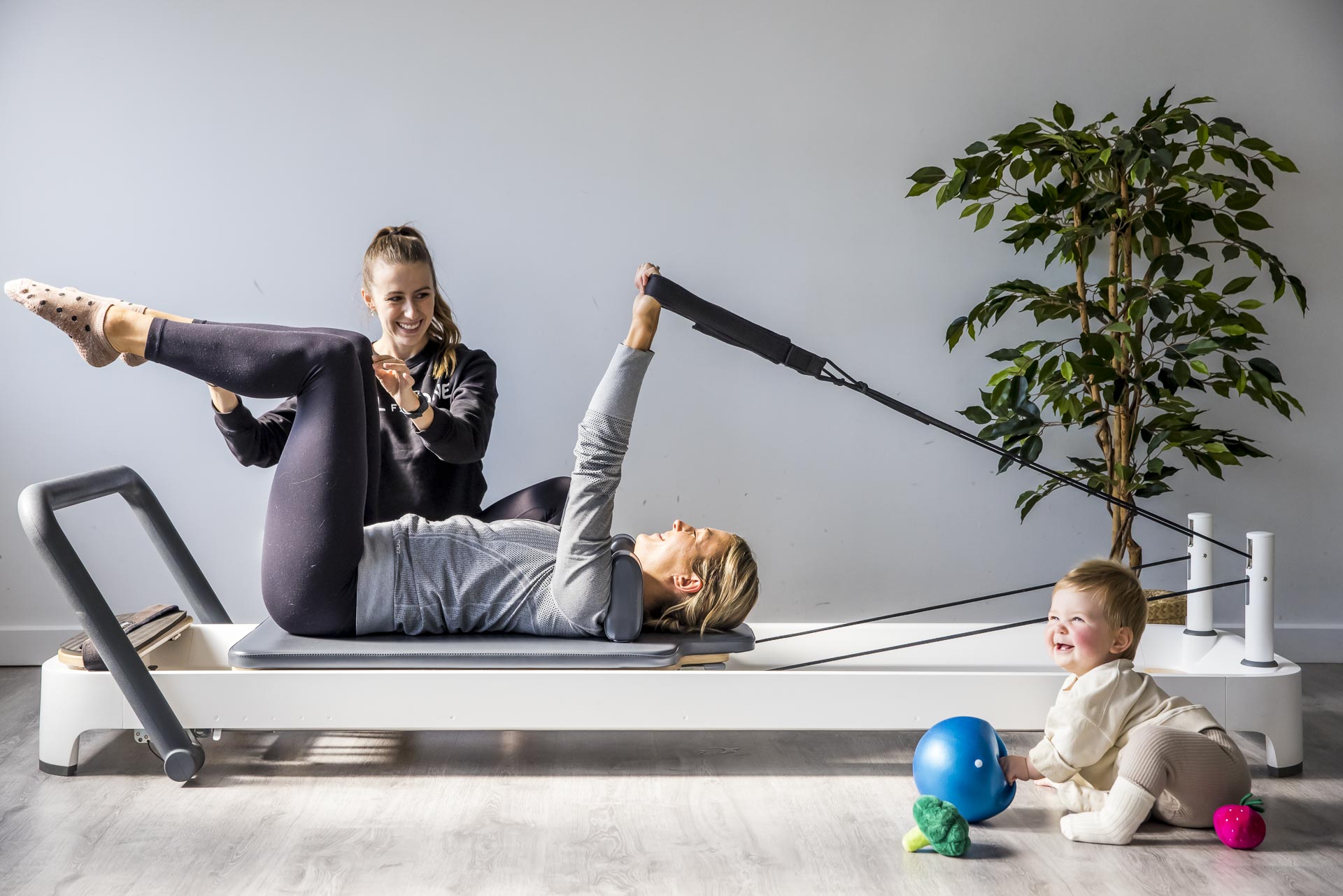
Babies are welcome in the room. If it is easier, Mums and Bubs classes run with your baby beside you from six weeks postpartum.
Hormonal changes affect pelvic floor tissue, bladder urgency, comfort and how well you tolerate load. Symptoms that were manageable for years can arrive or sharpen in perimenopause, and most women are never told this is a physiotherapy problem at all.
Treatment here means gentle therapies to maintain flexibility and reduce discomfort, plus properly progressed strength work, because this is also the decade where bone and muscle need loading. Our Midlife Strength classes were built for exactly these years, and strength testing can show you the numbers rather than a guess.
Expecting and new mums make up a large part of what we do, from prenatal adjustments through to postpartum recovery, for women across Highett and surrounding areas.
Pelvic girdle pain, back and hip pain, and advice on what is safe to keep doing. Pregnancy physiotherapy includes physiotherapist-guided pregnancy massage to relieve tension and reduce swelling.
Recovering after childbirth is its own job. Postnatal physio rebuilds strength and core stability, closes the gap on an abdominal separation, and settles incontinence or prolapse symptoms. Start with your 6 week postnatal check, then postnatal physiotherapy from there.
Women’s health and pelvic physiotherapy appointments run at our Hampton East studio, a few minutes from Highett, with on-site parking at the front so you are not circling the block with a pram.
1/854-860 Nepean Hwy
Hampton East VIC 3188
Most women tell us afterwards that they wish they had come in years earlier. If you are near Highett and looking for pelvic floor physiotherapy, postnatal physio or women’s health physiotherapy services, we have appointments most weeknights and Saturday mornings.
No. You can book directly. HICAPS is on the spot for private health extras, and Medicare Care Plans, TAC and WorkCover are all welcome.
No. It gives the clearest picture of pelvic floor strength and function, so many women choose it, but it is always your decision and you can change your mind at any point. Real-time ultrasound and external assessment are useful alternatives.
Yes, for the physical ones. Hormonal changes affect pelvic floor tissue, bladder urgency and comfort, and these respond to assessment, gentle therapy and properly progressed strength work. It is one of the most under-treated areas we see.
Most women notice a change within a handful of appointments, and your physio will tell you at the first one what they expect and why. If something is not working, we change the plan rather than repeat it.
Yes. Babies are welcome in the room, and Mums and Bubs classes run with your baby beside you from six weeks postpartum.
No. Pelvic floor problems are treatable whether they started six weeks or twenty years ago. The muscles respond to training at any age, including well after menopause.
Physiotherapy - 30/10/2026

Physiotherapy - 30/10/2026
For self-managed and plan-managed participants, at KCARC, in the pool or at home.
READ MOREPrefer to talk? Yarraville (03) 8319 9945 · Hampton East (03) 9086 3740 · Kensington (03) 8319 9946
Please don’t include medical or health information in this form. For clinical questions or appointments, call your studio or book online. Your message goes straight to the studio you choose.
This site is protected by reCAPTCHA and the Google Privacy Policy and Terms of Service apply.

Care from physios who truly understand women’s bodies.

Senior Women’s Health Physiotherapist
Emily has a deep passion for empowering women to take control of their pelvic health. She creates a warm, judgement-free space where you can talk openly about what’s really going on.
With advanced training in pelvic floor rehabilitation, Emily treats a wide range of conditions including incontinence, prolapse, pelvic pain, and pregnancy-related concerns. She takes the time to really listen, explain what’s happening in your body, and build a treatment plan that fits your life. Whether you’re preparing for birth, recovering postpartum, or navigating menopause — Emily is here to help you feel strong and confident again.

Women’s Health Physiotherapist
Tori is passionate about helping women feel heard and supported through every stage of life. She combines clinical expertise with genuine empathy to deliver care that makes a real difference.
Tori brings a holistic, evidence-based approach to treating pelvic floor dysfunction, pregnancy-related pain, and postnatal recovery. She has a special interest in helping women return to exercise safely after having a baby and supporting those with persistent pelvic pain. Tori believes every woman deserves to understand her body and feel empowered in her recovery — no topic is too awkward, and no concern is too small.