All in - 30/09/2026
All in - 30/09/2026
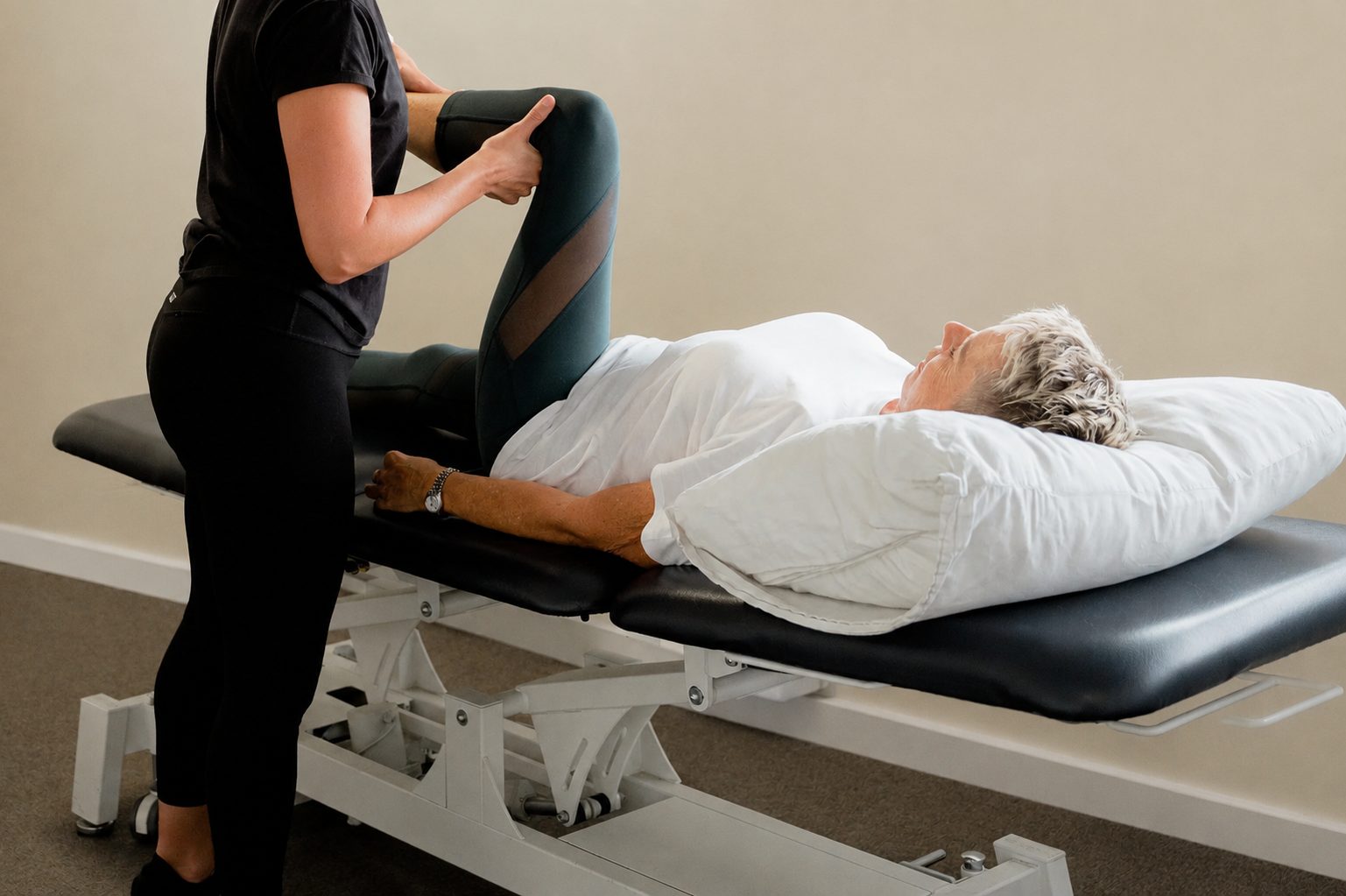
Hip Arthritis Symptoms: Where It Hurts and What Helps
The common signs, how it differs from pain on the side of the hip, and what to do next.
READ MORE
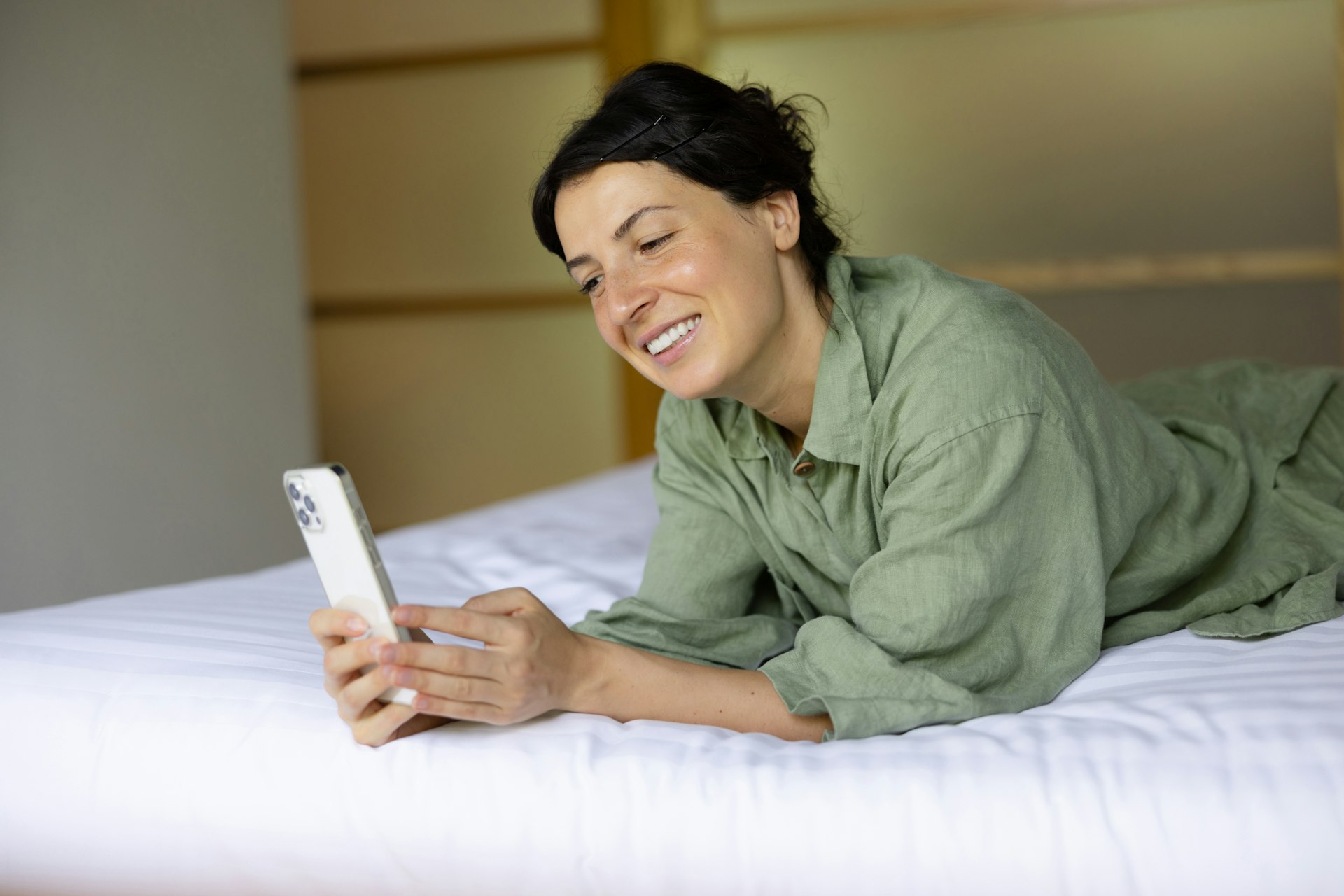
A ring on your finger now claims to read your sleep, your cycle, your stress and your perimenopause. Some of that is real, some of it is early, and one part of it can quietly work against you.
You wake up feeling fine. The ring says your readiness is 54 and suggests you take it easy. Or you wake up wrecked after a broken night and it awards you an 88.
Either way, a number you didn’t ask for has had an opinion about your day before you’ve had a coffee.
Smart rings have gone from a gadget to a normal thing on a normal hand, and Oura in particular has built most of its recent features around women’s health: cycle tracking, pregnancy insights, and this year a set of perimenopause tools. A lot of you are wearing one. So here’s what the science says it’s good at, where it’s guessing, and when to take it off.
Under the marketing, the ring measures a short list of things: your heart rate, the variation between heartbeats (HRV), your skin temperature roughly once a minute, your movement and your breathing rate.
Everything else, the sleep stages, the readiness score, the cycle phase, the stress reading, is an estimate built from those.
The ring isn’t seeing your hormones. It’s seeing your pulse and your temperature and inferring the rest.
This is the part it does best. Tested against the sleep lab standard, where you’re wired up overnight and specialists score every stage, the ring gets sleep versus awake right around 90 to 96 percent of the time. How long you slept, when you fell asleep, when you were up in the night: trust that.
The stages are a different story. On deep, light, REM and awake, agreement with the lab sits around 76 to 79 percent. That sounds low until you learn that two trained sleep scorers looking at the same night only agree about 83 percent of the time. The ring is close to the limit of what’s knowable from the outside of your body.
So your deep sleep minutes on any single night are a rough guess. Don’t chase them. Look at the pattern across weeks instead.
In a large survey this year, about one in three people who track their sleep showed signs of what researchers call orthosomnia: anxiety about the sleep data itself, and trouble stopping worrying about it.
If you’ve ever felt worse after looking at a bad score than you did before you checked, you already know what that is. Sleep is one of the few things that gets worse when you try harder at it.
If the score has started deciding how you feel before you’ve checked in with yourself, take the ring off for a week. Nothing about your sleep will be lost.
Skin temperature is where the ring earns its place for women, because your temperature shifts in a predictable way across a cycle.
In a 2025 study measured against hormone tests and ultrasound, the ring’s algorithm identified ovulation in over 96 percent of cycles and narrowed the likely fertile window to about two and a half days, compared with a week using a calendar app. For understanding your own pattern, spotting when a cycle is running long, or planning around the days you know you’ll feel flat, that’s real information.
The caveat is the obvious one. The ring is not contraception, and it isn’t a fertility treatment. If you’re using cycle data to plan or avoid a pregnancy, that’s a conversation with your GP or women’s health physio, not a setting in an app.
This is the newest claim and the one to hold most loosely. The perimenopause tools combine your temperature trends, HRV and sleep continuity with a symptom questionnaire, and show you how they move together over time.
That can be useful. Many women spend two or three years wondering whether the broken sleep, the running-hot nights and the flat mood are “just life,” and a graph that shows all three shifting together can be the thing that gets you to book the appointment.
But the ring can’t tell you that you’re in perimenopause. Nothing can, from a device. Perimenopause is diagnosed by a doctor on your symptoms, your age and your history, and a ring reading is one input among several.
The best use of the feature is the report you print off and take with you. The worst use is diagnosing yourself at 2am from a temperature trend.
This is where most people get into trouble. The readiness score is an estimate of how recovered your nervous system is, mostly from HRV, resting heart rate and last night’s sleep.
It’s reasonably good at noticing when you’re coming down with something, or that the two glasses of wine on Thursday cost you more than you thought. Those are worth listening to.
What it can’t do is know what’s on your calendar, how you actually feel in your body, or that skipping today’s strength session means you won’t get another one until next week.
The ring is good at trends and bad at single days. Across weeks it can show you things that are hard to see any other way: that your sleep falls apart in the second half of your cycle, that late dinners cost you, that a cold was coming two days before you felt it, that something has been shifting since winter and it might be time to talk to someone.
On any single morning, it’s an estimate. You’re the one who knows how you feel. Use the ring to notice patterns, bring the patterns to someone who can interpret them, and put your own body first.
Noticed a pattern you’d like to talk through?
Our women’s health physios work with cycle, pregnancy, postnatal and perimenopause changes every day. Bring the report.
All in - 30/09/2026
All in - 30/09/2026
The common signs, how it differs from pain on the side of the hip, and what to do next.
READ MOREPrefer to talk? Yarraville (03) 8319 9945 · Hampton East (03) 9086 3740 · Kensington (03) 8319 9946
Please don’t include medical or health information in this form. For clinical questions or appointments, call your studio or book online. Your message goes straight to the studio you choose.
This site is protected by reCAPTCHA and the Google Privacy Policy and Terms of Service apply.

Specialist care from physios who truly understand women’s bodies.
Senior Women’s Health Physiotherapist
Emily has a deep passion for empowering women to take control of their pelvic health. She creates a warm, judgement-free space where you can talk openly about what’s really going on.
With advanced training in pelvic floor rehabilitation, Emily treats a wide range of conditions including incontinence, prolapse, pelvic pain, and pregnancy-related concerns. She takes the time to really listen, explain what’s happening in your body, and build a treatment plan that fits your life. Whether you’re preparing for birth, recovering postpartum, or navigating menopause — Emily is here to help you feel strong and confident again.

Women’s Health Physiotherapist
Tori is passionate about helping women feel heard and supported through every stage of life. She combines clinical expertise with genuine empathy to deliver care that makes a real difference.
Tori brings a holistic, evidence-based approach to treating pelvic floor dysfunction, pregnancy-related pain, and postnatal recovery. She has a special interest in helping women return to exercise safely after having a baby and supporting those with persistent pelvic pain. Tori believes every woman deserves to understand her body and feel empowered in her recovery — no topic is too awkward, and no concern is too small.