What is the Pelvic Floor
You may have heard of the pelvic floor but what is it and why is it so important?

Physiotherapists often talk about the pelvic floor, particularly when it comes to pre and post-natal exercise, but what is it and why is it important?
The pelvic floor consists of 3 layers of muscles, tendons, and ligaments that attach inside the sacral ring and run from the pubic bone at the front, to the coccyx (tailbone) at the back.
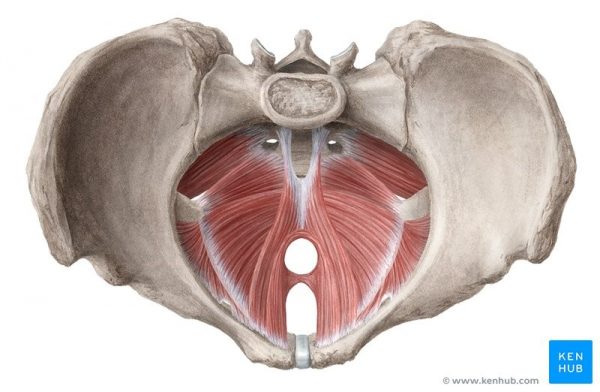
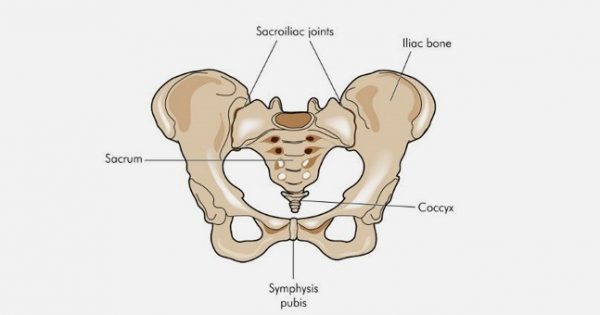
These muscles have many important functions, including:
1. Supporting the pelvic organs
– The bladder, rectum, small intestine and the uterus in females all pass through the pelvic floor muscles
– When a woman is pregnant, the weight of the baby is an added strain on the pelvic floor muscles which is why it is important that they are adequately strong to support a growing fetus
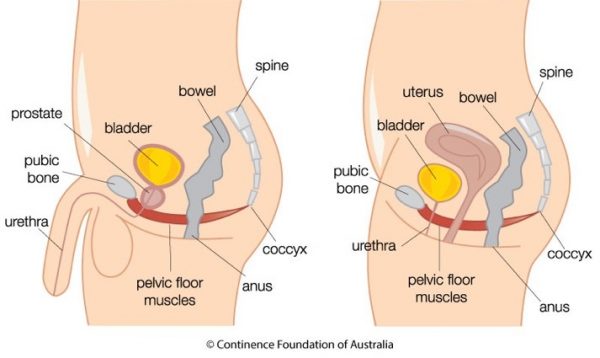
2. Controlling bladder and bowel
– Some of these muscles loop around the urethra, rectum, and vagina providing a slight pressure that acts as a “sphincter” to prevent urinary or fecal incontinence or leakage
– Strengthening the pelvic floor can be helpful in those who suffer from incontinence problems
3. The passage of urine and feces
– Conversely, we need to be able to relax these muscles in order to urinate or defecate. An overactive pelvic floor can contribute to problems with constipation or hemorrhoids
4. Sexual function
– Because of their connection to the vagina and prostate, the pelvic floor muscles also play a role in sexual arousal for men and women and dyspareunia (sex pain) for females
5. Breathing
– Believe it or not the pelvic floor also plays a role in breathing, as it moves slightly with changes in abdominal pressure. Actions like breath holding or straining can cause you to “bear down” on your pelvic floor
6. Pregnancy and Childbirth
– As mentioned, the pelvic floor muscles support the weight of the baby during pregnancy. They must also stretch to allow baby to pass through the birth canal during labour
– These muscles being stretched or torn during childbirth can impact their function

As you can see, the pelvic floor has many diverse actions. Being able to control your pelvic floor muscles is useful, whether that means having the strength to contract them or the ability to relax. If you’re experiencing any issues with incontinence, leaking when you cough or sneeze, constipation, hemorrhoids, pelvic organ prolapse, or pain during sex, speak with a Physiotherapist about how you can optimize your pelvic floor function and modify your exercise program in the studio.
Physiotherapy - 15/08/2026
Prefer to talk? Yarraville (03) 8319 9945 · Hampton East (03) 9086 3740 · Kensington (03) 8319 9946
Please don’t include medical or health information in this form. For clinical questions or appointments, call your studio or book online. Your message goes straight to the studio you choose.
This site is protected by reCAPTCHA and the Google Privacy Policy and Terms of Service apply.

Specialist care from physios who truly understand women’s bodies.

Senior Women’s Health Physiotherapist
Emily has a deep passion for empowering women to take control of their pelvic health. She creates a warm, judgement-free space where you can talk openly about what’s really going on.
With advanced training in pelvic floor rehabilitation, Emily treats a wide range of conditions including incontinence, prolapse, pelvic pain, and pregnancy-related concerns. She takes the time to really listen, explain what’s happening in your body, and build a treatment plan that fits your life. Whether you’re preparing for birth, recovering postpartum, or navigating menopause — Emily is here to help you feel strong and confident again.

Women’s Health Physiotherapist
Tori is passionate about helping women feel heard and supported through every stage of life. She combines clinical expertise with genuine empathy to deliver care that makes a real difference.
Tori brings a holistic, evidence-based approach to treating pelvic floor dysfunction, pregnancy-related pain, and postnatal recovery. She has a special interest in helping women return to exercise safely after having a baby and supporting those with persistent pelvic pain. Tori believes every woman deserves to understand her body and feel empowered in her recovery — no topic is too awkward, and no concern is too small.