What is the difference between a Dietitian and a Nutritionist?
In the age of social media it seems like everyone is telling us what we should be eating, so who do we turn to for evidence based trustworthy advice?

In this day and age there seems to be an endless stream of information around nutrition and what we should and shouldn’t be eating.
Vegetarian, Vegan, Paleo, Raw Food, Mediterranean, Intermittent Fasting, Keto and on and on the options are endless. And we seem to be getting a different opinion from everyone so where do we turn?
A big difference between a Nutritionist and a Dietitian is in their qualifications. Accredited Practising Dietitians (APDs) are university qualified professionals that undertake ongoing training and education courses to ensure that they are your most up to date and credible source of nutrition information.
APDs are nutrition scientists with a minimum of four years university study. They take very seriously their responsibility of providing evidence-based nutrition advice and support.
Essentially an APD has further training and expertise than a nutritionist so as well as being able to provide the latest information on weight loss and healthy eating they are trained and qualified to provide nutritional advice for medical conditions such as diabetes, cardiovascular disease, food allergies and intolerances, cancers, gastro-intestinal diseases, renal disease and overweight and obesity.
All Dietitians are Nutritionists but all nutritionists are not Dietitians (confusing right).
In Australia Nutritionist and Dietitian are not protected terms, meaning that anyone can call themselves a nutritionist or dietitian no matter how little training they have. This can make it very difficult for a consumer to know who to turn to when seeking advice.
You need to look for a Dietitian who is an Accredited Practising Dietitian (APD). This means that they are registered with the Dietitian Association of Australia (DAA) and are subject to the regulations and requirements of the DAA.

APDs are regulated by the (DAA) and are required to meet the program standards of the DAA. These standards include committing to being evidence based, a minimum of 30 hours per calender year of continuing professional development (CPD) and be subject to random audits.
APD is the only credential for dietitians recognised by the Australian government (for Medicare and Department of Veterans’ Affairs (DVA) purposes), many state governments and many private health insurers. The APD program is a way for consumers and other stakeholders to recognise professionals with qualifications and skills to provide expert nutrition and dietary advice in a safe and evidence based way.
APDs understand that there is no one-size-fits-all approach when it comes to diet and nutrition (in other words, what works for one person may be different to what works for another). And the truth is that there are many ways for people to have a healthy diet.
And it’s at this individual level that an APD can help. They consider the whole person – that is, each person’s unique profile, such as their medical history, as well as their needs, goals and lifestyle. They also assess the body of scientific evidence, and are flexible with the advice and support they offer, on a case-by-case basis.
Being able to tailor nutrition advice to find the best approach for each person is the cornerstone of ‘Medical Nutrition Therapy’ – it’s what APDs are qualified to do.
Dietitian - 22/09/2024

Prefer to talk? Yarraville (03) 8319 9945 · Hampton East (03) 9086 3740 · Kensington (03) 8319 9946
Please don’t include medical or health information in this form. For clinical questions or appointments, call your studio or book online. Your message goes straight to the studio you choose.
This site is protected by reCAPTCHA and the Google Privacy Policy and Terms of Service apply.

Specialist care from physios who truly understand women’s bodies.
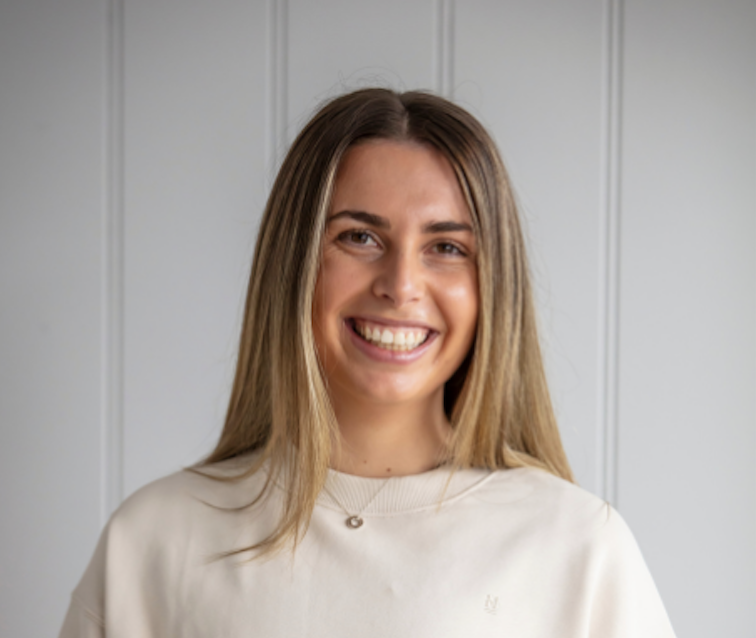
Senior Women’s Health Physiotherapist
Emily has a deep passion for empowering women to take control of their pelvic health. She creates a warm, judgement-free space where you can talk openly about what’s really going on.
With advanced training in pelvic floor rehabilitation, Emily treats a wide range of conditions including incontinence, prolapse, pelvic pain, and pregnancy-related concerns. She takes the time to really listen, explain what’s happening in your body, and build a treatment plan that fits your life. Whether you’re preparing for birth, recovering postpartum, or navigating menopause — Emily is here to help you feel strong and confident again.
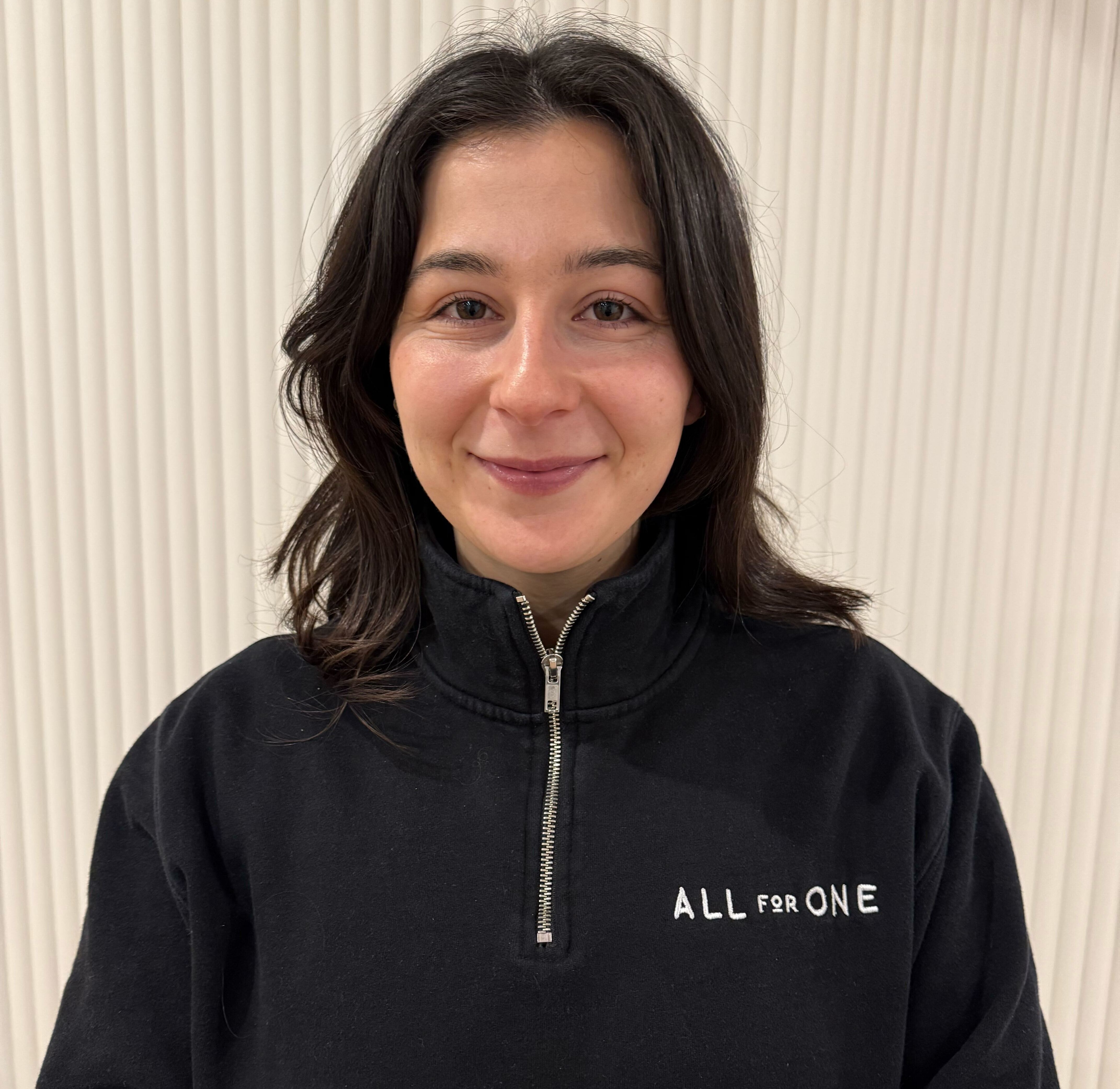
Women’s Health Physiotherapist
Tori is passionate about helping women feel heard and supported through every stage of life. She combines clinical expertise with genuine empathy to deliver care that makes a real difference.
Tori brings a holistic, evidence-based approach to treating pelvic floor dysfunction, pregnancy-related pain, and postnatal recovery. She has a special interest in helping women return to exercise safely after having a baby and supporting those with persistent pelvic pain. Tori believes every woman deserves to understand her body and feel empowered in her recovery — no topic is too awkward, and no concern is too small.