All in - 05/08/2026

The cough has gone, the tissues are in the bin, and you feel almost normal. So you go back to what you were doing before, and three days later you are flattened again. Returning to exercise after illness is one of the most misunderstood parts of recovery, because the pressure to bounce back rarely matches what your body is actually ready for. Here is how to read the signals, when it is safe to start, and how to rebuild without paying for it later.
Most advice about coming back assumes you have already decided to start. The decision itself is the part people get wrong, and there is a simple rule clinicians have used for decades to make it: the neck check.
Symptoms above the neck only. A runny or blocked nose, sneezing, a mild sore throat, and nothing else. Gentle activity is generally fine here. Keep it easy, keep it short, and use how you feel during and after as the test rather than the plan you had written down.
Anything below the neck means rest. Fever, chest congestion, a deep or productive cough, body aches, or a gut upset all say the same thing: your body is already working on something. Training on top of that tends to prolong the illness rather than shorten it.
Never train with a fever. This one has no grey area. A raised temperature changes how your heart, your fluid balance and your temperature control behave under load, and exercise during a febrile illness is exactly when things go wrong. Wait until you have been fever-free without paracetamol or ibuprofen for at least 24 hours, and closer to 48 if you have been properly unwell, before easy activity. Then start easy, not where you left off.
The reason the below-the-neck half of the rule exists is your heart. Viral illnesses can, uncommonly, inflame the heart muscle, which is called myocarditis, and exercising through it is what turns an uncommon problem into a serious one. It is rare, and it is not a reason to be frightened of a head cold. It is the reason that chest pain or tightness, breathlessness that is out of proportion to what you are doing, a racing or irregular heartbeat, palpitations, dizziness or fainting are all reasons to see a doctor before you resume training rather than after.
Feeling better and being recovered are two different states, and they arrive weeks apart. Even once symptoms resolve, the immune and autonomic systems can stay dysregulated. Work in exercise physiology and sports medicine shows that these systems stay disturbed after an infection: resting heart rate and cortisol run higher than usual, and heart rate variability sits lower, which points to ongoing physiological stress rather than a body that has finished the job.
The areas that tend to lag behind are worth knowing, because they are the ones that catch people out:
Aerobic capacity drops. Your VO2 max falls with even a short lay-off, so the same run costs you more than it did a fortnight ago.
Everything feels harder than it is. Perceived exertion climbs, which is why a warm-up pace can feel like a threshold effort.
Heat control and cardiac output are impaired. You sweat differently, your heart rate sits higher for the same work, and hot rooms are less forgiving.
Coordination is blunter. Neuromuscular control takes a hit, which is where the rolled ankles and tweaked backs of week one come from.
Translation? You can feel fine at rest and still be operating at reduced capacity the moment you ask for something. Ignoring that gap is what raises the risk of a second illness or an injury on the way back.
The question we hear most often is not about training at all. It is some version of when will I stop feeling so tired, and the honest answer is that energy runs on a slower clock than symptoms do.
For a straightforward cold or a mild bug, most people find their energy lags the end of their symptoms by roughly one to two weeks. You are back at work, you look well, and you are still flat by mid-afternoon. That is normal and it is not a sign you have lost your fitness for good.
After influenza, glandular fever or COVID, the tail is longer. Several weeks of reduced energy is common, and it tends to come back in an uneven, two-steps-forward pattern rather than a smooth line. A good day is not proof you are finished, and a bad day after a good one is not a relapse.
What is worth acting on is a lack of movement in the trend. If your energy is still flat at four to six weeks, or you are no better than you were a fortnight ago, that is the point to have it looked at by your GP or a physiotherapist rather than waiting it out for another month. Persistent fatigue has causes that are worth ruling in or out, from iron and thyroid to post-viral fatigue that responds to a properly paced plan.
After viral infections such as influenza, glandular fever or COVID, many people experience post-exertional malaise: a delayed and disproportionate crash after activity, usually landing a day or so later rather than at the time.
This is not a motivation problem. Reviews in the immunology literature point to persistent inflammatory changes, and increasingly to mitochondrial dysfunction, rather than to deconditioning or mindset. So if you feel worse the day after training rather than during it, that is information, not a character flaw and not a reason to push harder next time.
It also changes the rules of the comeback. Where normal training progresses by adding a bit more than last time, a body prone to post-exertional malaise progresses by staying comfortably under the line that triggers a crash, for long enough that the line moves. That is what pacing means in practice, and with this pattern it is non-negotiable.
More than most people expect, and faster. A week or two spent mostly in bed costs you a noticeable slice of muscle strength, particularly in the legs, and older adults lose it sooner and feel it more. The published figures vary a lot depending on how they are measured, so treat any single percentage with suspicion. The pattern is the reliable part, and the pattern is this: the losses are front-loaded, arriving mostly in the first week or two of inactivity and then flattening off.
Here is the detail that explains why the stairs feel odd before your legs look any different. Strength drops faster than muscle size does. Early on, much of what you lose is the nervous system’s ability to recruit the muscle you still have, rather than the muscle itself, which is unsettling to experience and genuinely good news for the rebuild.
Because the way back is quicker than the way there was. Muscle that has been trained before re-adapts faster than untrained muscle builds in the first place, which is why people who took eight weeks to add real strength can often get most of it back in half that. Researchers argue about the exact mechanism, and the practical observation is consistent enough to plan around.
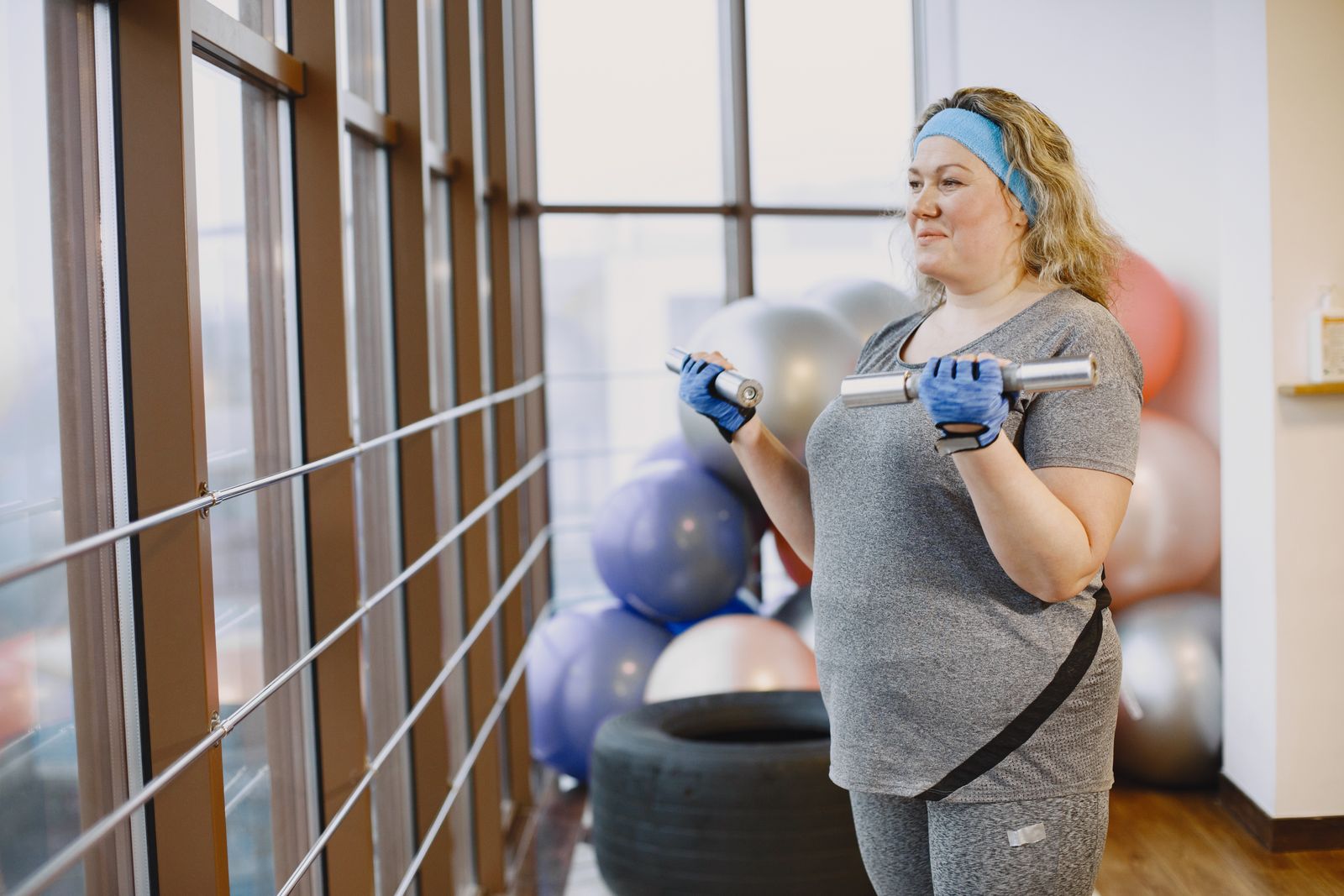
Progressive resistance work is the best-evidenced way to do it. Strength training two to three times a week, hitting the major muscle groups, adding a little load or a rep as it becomes manageable, is the intervention with the most evidence behind it for regaining strength after any period of illness or inactivity. Not stretching, not steady walking on its own, not waiting until you feel like your old self. Resistance training, at a level you can currently handle.
Start well below where you finished. Two sets of an easy weight, stopping several reps short of failure, is a productive first week for someone coming back. Our Strength classes are a good home for that work, because the load is coached rather than guessed, and it is easy to run a deliberately light block for a fortnight without talking yourself into more.
Sports medicine guidelines now recommend a graded return, and not just for athletes. The general structure has four phases, and each one is a gate rather than a countdown.
Phase 1: daily movement only. Light walking, mobility and stretching. Nothing that lifts your heart rate or your breathing much. This phase is doing more than it looks like it is doing.
Phase 2: light aerobic work. Ten to fifteen minutes of walking, easy cycling or low-intensity Pilates, at an effort under 3 out of 10, then watch the following 24 hours for fatigue or a symptom flare.
Phase 3: moderate training with breaks. Progressive load, bodyweight strength or light reformer work, with rest built in and no sets taken to fatigue.
Phase 4: back to your normal volume and intensity. Only once phases 1 to 3 have been tolerated over 7 to 14 days with no symptoms returning.
The rule of thumb that holds it all together: your return to training should take at least as long as the illness lasted. A three-day cold buys you a few careful days. Two weeks flat with influenza buys you a fortnight of rebuilding, and trying to compress that is the single most common way people end up back at phase 1.
After an illness your body is rebuilding immune tissue, replenishing glycogen, repairing muscle it lost and recalibrating hormones, all at once. That takes raw materials, particularly protein and enough overall food, and iron if you have been low before. Underfeed the process and you get prolonged inflammation and less adaptation from the training you are managing to do, which is a poor trade for the effort involved.
Protein deserves a specific mention while you are rebuilding strength, because muscle cannot be repaired out of thin air, and appetite is often still down after being unwell. Spreading it across the day, rather than loading it all into dinner, is the easiest fix.
Sleep is doing the other half. It restores the HPA axis, regulates cortisol and supports parasympathetic recovery, which is the system that has to come back online before training feels normal again. If you have to choose between an early class and another 90 minutes of sleep in the first fortnight back, take the sleep. It is not a lack of discipline, it is the better training decision.
Use both what you can measure and what you can feel. The useful signs are unglamorous.
A stable resting heart rate. Back near your usual number and holding there, rather than sitting five or ten beats high.
Sleep and mood restored. Falling asleep normally and waking up like yourself again.
Consistent energy across the day, rather than a good morning followed by a wall at 2pm.
No symptom flare or crash 24 hours after exercise. This is the most important one on the list, and it is why you check the day after, not the hour after.
Training that finishes at an effort under 5 out of 10. If you can complete what you set out to do at a moderate effort, you have room to add a little.
Heart rate variability from a wearable can help you gauge readiness if you already own one, and it is not required. Your energy, your mood and how sore you are the next day are just as valuable, and free, as long as you keep in mind what soreness does and does not tell you.
Some things are worth a same-week appointment with your GP rather than a longer wait, particularly chest pain or tightness, a racing or irregular heartbeat, breathlessness at rest or out of proportion to what you are doing, fainting or near-fainting. Those belong to the heart rather than to your fitness, and they are checked rather than trained through.
Beyond that, if you are still struggling three to four weeks in, or you are noticing new symptoms such as brain fog, balance problems, or persistent fatigue after minimal exertion, it is time to consult your GP or a clinician trained in post-viral rehabilitation. At All for One, our physiotherapists and women’s health team can assess where your functional baseline actually sits and build a structured plan back rather than leaving you to guess at it. If a class still feels like too much too soon, personal training carries the same plan one to one, at whatever pace the week allows.
Getting back to full health is not a race. It is a recalibration.
Coming back after illness is not really about discipline. It is about biology, and biology responds to patience better than it responds to willpower. Wait out the fever, start below where you left off, put strength work in two or three times a week, eat and sleep like it is part of the program, and judge every step by how you feel the following day.
If you would rather not guess at the pacing, that is what we are here for. A physiotherapy appointment gives you a starting point and a plan, and our Strength classes and Clinical Pilates classes give the plan somewhere to live, at a level that supports you rather than pressures you.
If your symptoms were above the neck only, such as a runny nose or a mild sore throat, gentle activity is generally fine straight away. If you had anything below the neck, including fever, chest symptoms, body aches or a gut upset, rest first and wait until you have been fever-free without medication for at least 24 hours, and closer to 48 after a heavier illness. Start with easy walking or mobility rather than your usual training, and judge it by how you feel the next day.
With a simple head cold and no fever, light or moderate exercise is usually safe and will not make the cold worse. Keep it short and easy rather than doing your normal workout, and stop if you feel worse as you go. If the cold has moved to your chest, or you have a fever, body aches or a deep cough, rest instead.
A useful rule of thumb is that your return to training takes at least as long as the illness lasted, so a few days off after a cold and a couple of weeks of rebuilding after influenza. Aerobic fitness usually feels normal again within two to four weeks of consistent, graded training, and strength often returns faster than that because trained muscle re-adapts quickly. Energy is the slowest of the three, and it commonly lags your symptoms by one to two weeks after a simple infection and longer after influenza or COVID.
Progressive resistance training two to three times a week is the best-evidenced way back. Start well below the load you finished on, work the major muscle groups, stop several reps short of failure, and add a little weight or a rep as it becomes manageable. Most people rebuild noticeably faster than they built the strength in the first place, so the early weeks are about consistency rather than effort.
Immune and autonomic recovery continues well after symptoms stop, and markers such as resting heart rate and heart rate variability can stay disturbed for weeks. After a viral illness some people also get post-exertional malaise, which is a delayed crash a day or so after activity, tied to inflammatory and mitochondrial changes rather than being unfit or unmotivated. If your energy is still flat at four to six weeks, or is not trending upwards at all, it is worth a review with your GP or physiotherapist.
Yes, and this is the one hard rule. A fever changes how your heart, fluid balance and temperature control cope with load, and viral illness can occasionally inflame the heart muscle, which training through makes considerably worse. Wait until you have been fever-free without medication for at least 24 hours before any easy activity, and see a doctor before resuming if you have had chest pain, palpitations, an irregular heartbeat, breathlessness out of proportion to your effort, or any fainting.
Book into a class at whichever studio suits, or call and tell us what you have had and how you are feeling now. If a physiotherapy assessment would serve you better first, we will say so.
All in - 05/08/2026
Prefer to talk? Yarraville (03) 8319 9945 · Hampton East (03) 9086 3740 · Kensington (03) 8319 9946
Please don’t include medical or health information in this form. For clinical questions or appointments, call your studio or book online. Your message goes straight to the studio you choose.
This site is protected by reCAPTCHA and the Google Privacy Policy and Terms of Service apply.

Specialist care from physios who truly understand women’s bodies.
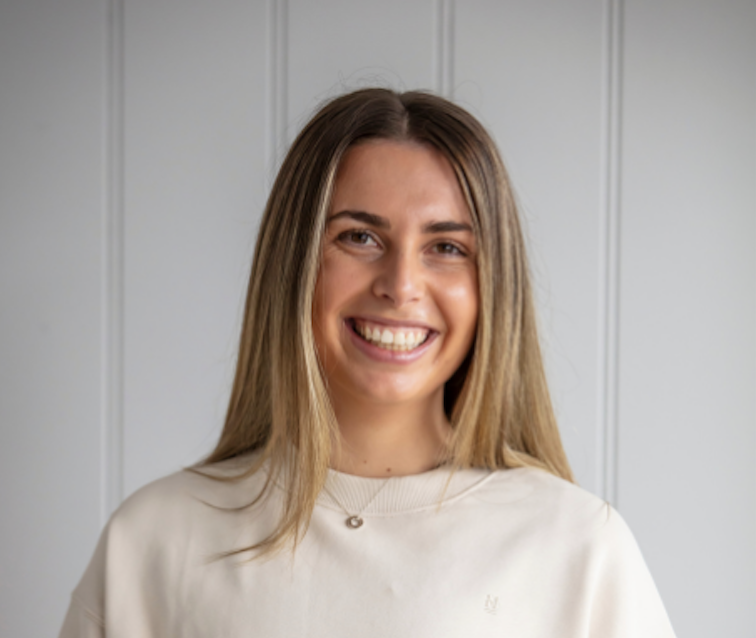
Senior Women’s Health Physiotherapist
Emily has a deep passion for empowering women to take control of their pelvic health. She creates a warm, judgement-free space where you can talk openly about what’s really going on.
With advanced training in pelvic floor rehabilitation, Emily treats a wide range of conditions including incontinence, prolapse, pelvic pain, and pregnancy-related concerns. She takes the time to really listen, explain what’s happening in your body, and build a treatment plan that fits your life. Whether you’re preparing for birth, recovering postpartum, or navigating menopause — Emily is here to help you feel strong and confident again.

Women’s Health Physiotherapist
Tori is passionate about helping women feel heard and supported through every stage of life. She combines clinical expertise with genuine empathy to deliver care that makes a real difference.
Tori brings a holistic, evidence-based approach to treating pelvic floor dysfunction, pregnancy-related pain, and postnatal recovery. She has a special interest in helping women return to exercise safely after having a baby and supporting those with persistent pelvic pain. Tori believes every woman deserves to understand her body and feel empowered in her recovery — no topic is too awkward, and no concern is too small.