All in - 05/08/2026

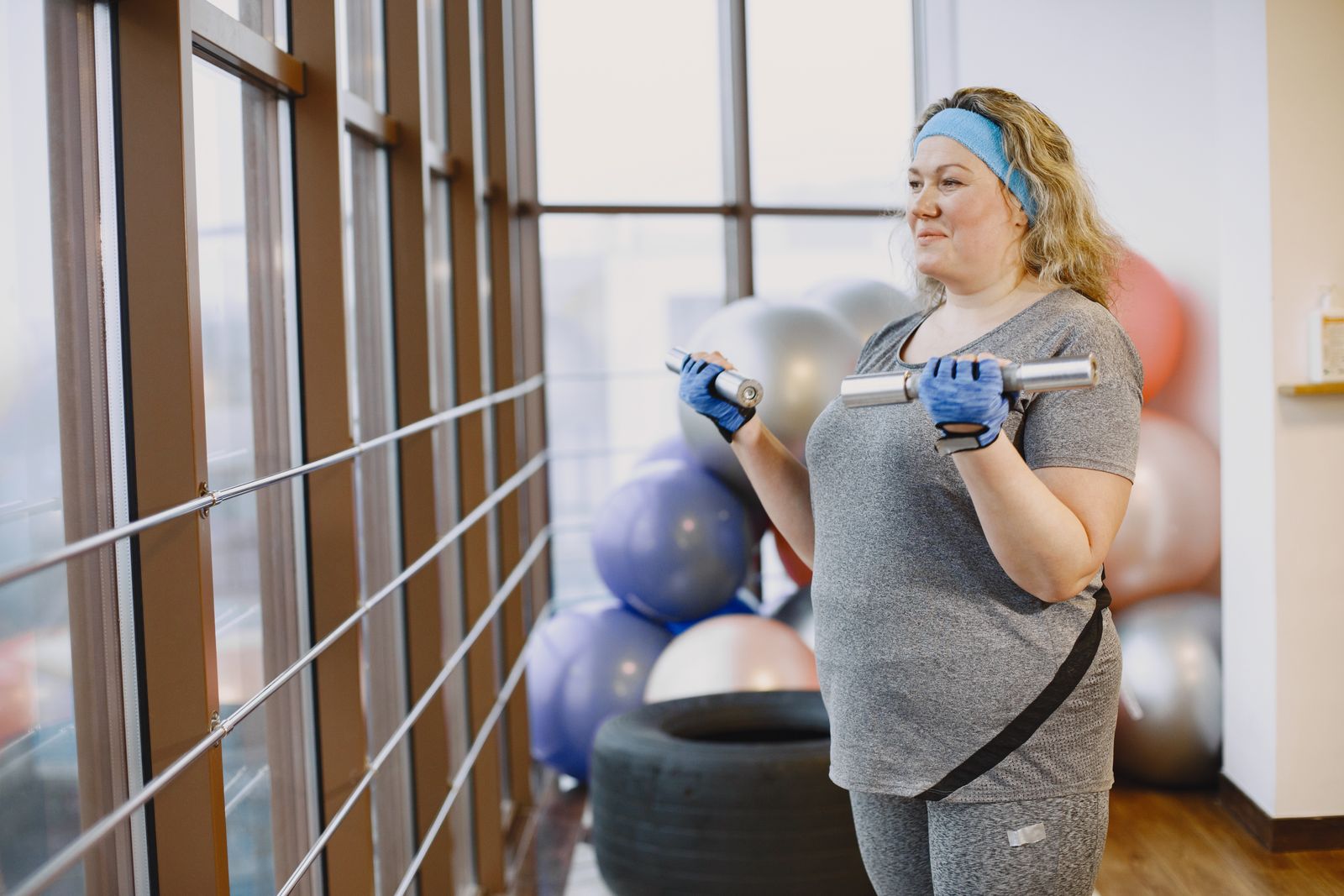
Strength training isn’t just about lifting weights—it’s about building a body that supports you in everyday life. Whether you’re picking up your kids, carrying groceries, or simply wanting to feel strong and capable, strength training plays a crucial role. And it doesn’t have to mean lifting heavy weights at the gym. Reformer Pilates is also a highly effective way to build strength, improve muscle endurance, and enhance movement control in a way that’s low impact and joint-friendly.
But how often should you be training to see real results? The answer depends on your goals, experience level, and how well your body recovers. Here’s what the research says and how to build a training routine that works for you.
The best training frequency depends on what you’re aiming to achieve.
Strength training doesn’t have to mean traditional weightlifting. Reformer Pilates, resistance-based training, and even bodyweight exercises all contribute to improved strength and muscle endurance. The key is consistency and progressive overload—challenging your muscles in a way that supports your goals.
Starting a new strength training routine can feel overwhelming, but the key is to begin at a manageable pace and build gradually. Your body needs time to adapt to new movements, and consistency is more important than intensity in the early stages.
Aim to strength train two to three times per week when starting out. This frequency allows your muscles to recover while still providing enough stimulus for improvement. Training on non-consecutive days helps prevent excessive fatigue and reduces the risk of injury.
Mastering proper form from the beginning is crucial to preventing injuries and ensuring long-term progress. Strength training involves controlled movements that require coordination, stability, and awareness. Starting with lower resistance and focusing on technique—whether using weights, resistance bands, or the reformer—will help establish strong movement patterns and prevent strain on joints and muscles.
Your body adapts to strength training over time, so progressive overload—the gradual increase of resistance or intensity—is essential for continued improvement. This can be done by increasing weights, adjusting repetitions, or improving movement control. Reformer Pilates naturally incorporates progressive resistance by adjusting spring tension, which helps build strength without excessive strain.
Strength training breaks down muscle tissue, which then rebuilds stronger during rest. Recovery strategies such as proper sleep, hydration, and balanced nutrition play a vital role in maximising the benefits of training. Pay attention to signs of fatigue or discomfort, and allow adequate time for recovery to prevent overtraining.
Long-term strength gains come from regular training over weeks and months. Keeping track of your workouts, whether through a journal or app, can help measure progress and maintain motivation. Small, consistent improvements—such as lifting slightly heavier weights, completing more repetitions, or feeling more stable—are indicators of progress and should be celebrated.
There’s no single formula for strength training success. What matters most is consistency, listening to your body, and finding a routine that is both challenging and sustainable. Whether you prefer lifting weights, working with resistance bands, or using the reformer, the key is to build strength in a way that supports your long-term health and movement goals.
Strength isn’t just about lifting heavier—it’s about moving through life with confidence, ease, and resilience.
All in - 05/08/2026
Prefer to talk? Yarraville (03) 8319 9945 · Hampton East (03) 9086 3740 · Kensington (03) 8319 9946
Please don’t include medical or health information in this form. For clinical questions or appointments, call your studio or book online. Your message goes straight to the studio you choose.
This site is protected by reCAPTCHA and the Google Privacy Policy and Terms of Service apply.

Specialist care from physios who truly understand women’s bodies.

Senior Women’s Health Physiotherapist
Emily has a deep passion for empowering women to take control of their pelvic health. She creates a warm, judgement-free space where you can talk openly about what’s really going on.
With advanced training in pelvic floor rehabilitation, Emily treats a wide range of conditions including incontinence, prolapse, pelvic pain, and pregnancy-related concerns. She takes the time to really listen, explain what’s happening in your body, and build a treatment plan that fits your life. Whether you’re preparing for birth, recovering postpartum, or navigating menopause — Emily is here to help you feel strong and confident again.

Women’s Health Physiotherapist
Tori is passionate about helping women feel heard and supported through every stage of life. She combines clinical expertise with genuine empathy to deliver care that makes a real difference.
Tori brings a holistic, evidence-based approach to treating pelvic floor dysfunction, pregnancy-related pain, and postnatal recovery. She has a special interest in helping women return to exercise safely after having a baby and supporting those with persistent pelvic pain. Tori believes every woman deserves to understand her body and feel empowered in her recovery — no topic is too awkward, and no concern is too small.