All in - 30/09/2026
All in - 30/09/2026
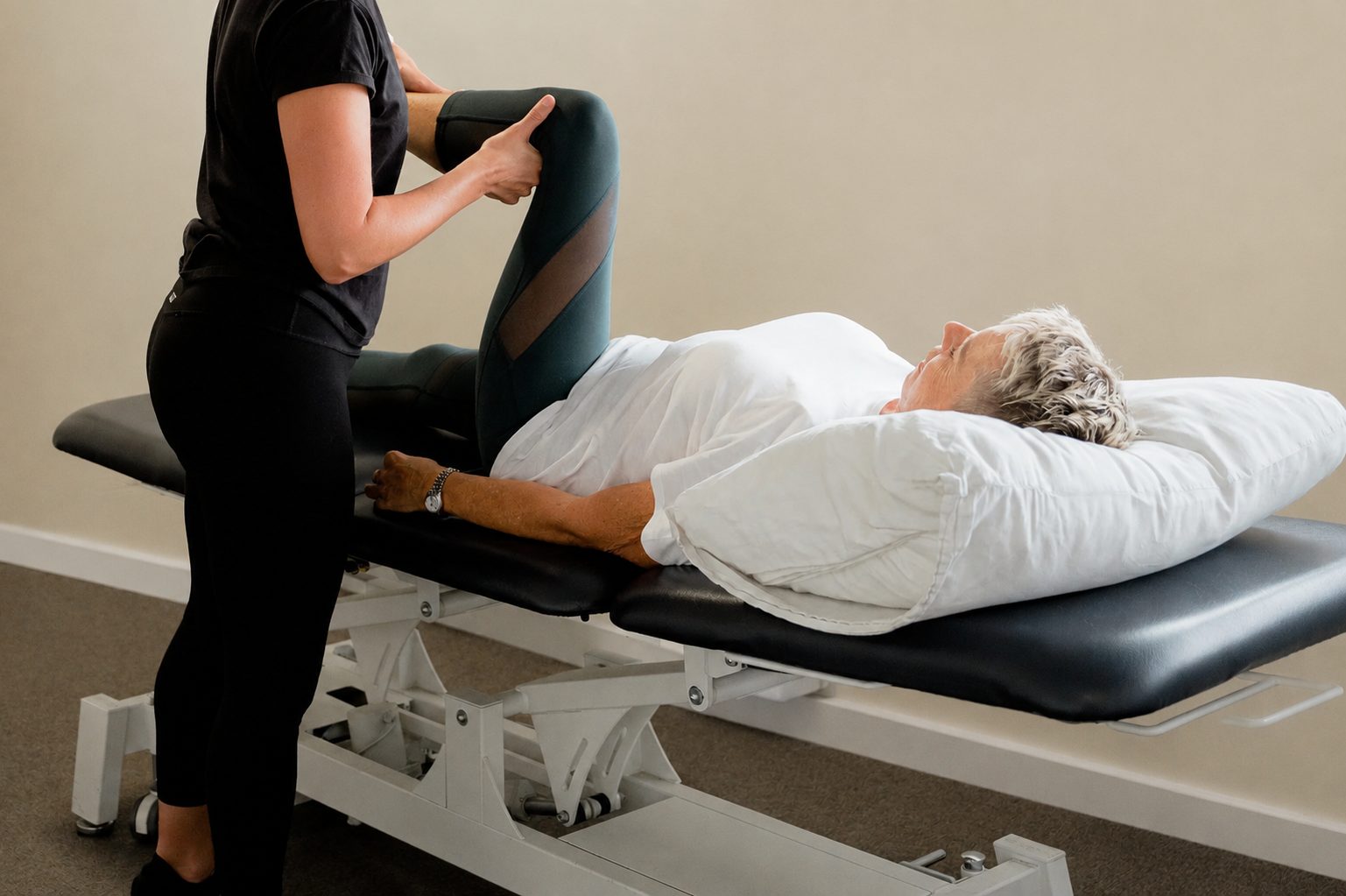
Hip Arthritis Symptoms: Where It Hurts and What Helps
The common signs, how it differs from pain on the side of the hip, and what to do next.
READ MORE
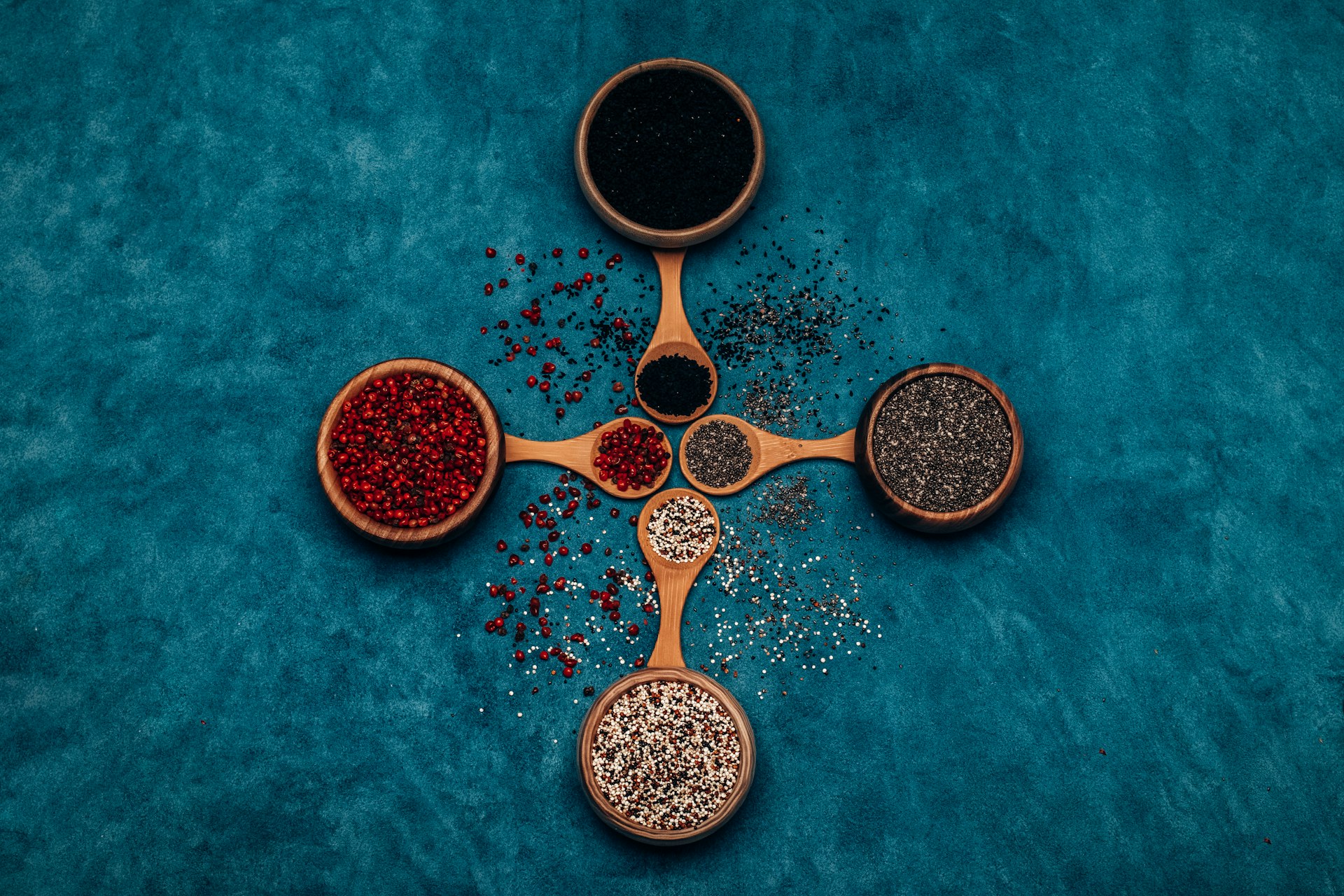
Protein has had the spotlight for years. Fibre is the nutrient with the stronger long-term evidence, most Australians are well short of it, and closing the gap is easier than the internet makes it look.
If you’ve been paying attention to protein lately, you’re not alone. The yoghurt is high protein, the bread is high protein, there’s a scoop in the smoothie and a bar in the handbag. That’s not a bad thing. Protein matters, particularly from your thirties onward when holding on to muscle gets harder.
But there’s a second number that almost nobody has asked you to hit, and it’s the one with the longer track record.
Fibre is suddenly having its own moment on social media (you may have seen “fibremaxxing”), which means it’s about to be sold to you in powders and gummies. Before that happens, here’s what the evidence says and how much you really need.
The Australian target is 25 grams of fibre a day for women and 30 for men. If you want the amount linked to lower risk of chronic disease, it’s 28 and 38. The average Australian adult gets about 20.
So most of us are somewhere between five and fifteen grams short. Every day, for years.
That matters because the research on fibre is unusually strong. A large review commissioned by the World Health Organization, pooling nearly 250 studies, found that people eating 25 to 29 grams a day had:
Very few things you can change at breakfast come with numbers like that.
Fibre is the part of plant food your body can’t digest, and that’s the point of it. It does a handful of quiet jobs at once.
If you’ve noticed digestion becoming less predictable with age, more bloating, more variation week to week, you’re not imagining it. Hormonal shifts, less movement and a changing diet all alter how the gut behaves, and fibre is one of the few things that reliably helps rather than hurts.
The “fibremaxxing” version of this involves going from 15 grams to 40 overnight, usually with a powder. Please don’t.
Your gut bacteria need a couple of weeks to adjust to a higher fibre intake. If you jump, you’ll spend that fortnight bloated, gassy and convinced fibre doesn’t agree with you. It does. You just went too fast.
Add a few grams at a time and hold there for a week before adding more. And drink more water as you go, because fibre works by absorbing it, and without enough fluid it does the opposite of what you wanted.
One more thing: protein and fibre aren’t rivals. The meals that do both, lentils, beans, oats with a scoop of protein, yoghurt with berries and chia, are the ones that keep you full, steady and regular, which is most of what people are chasing when they buy the powders.
Food first. Powders like psyllium are fine as a top-up (a tablespoon is about five grams, with a full glass of water), but they don’t bring the vitamins, the variety or the fullness that food does.
Look at that list and the gap closes quickly. Oats instead of a low-fibre cereal is four grams. A tablespoon of chia in the yoghurt is three and a half. Seeded bread instead of white is another three. Beans through whatever you were cooking for dinner anyway is six.
That’s more than ten grams without changing what your day looks like.
None of this needs a tracker or a supplement. It needs oats, seeds, beans, fruit with the skin on, and a couple of weeks of patience while your gut catches up.
Most of what helps with fibre is smaller and more ordinary than the trend suggests, which is usually a good sign that it’s real.
Somewhere to start
The raspberry chia overnight oats do protein and fibre in one jar and take four minutes the night before. Around 40 grams of protein and 12 grams of fibre.
All in - 30/09/2026
All in - 30/09/2026
The common signs, how it differs from pain on the side of the hip, and what to do next.
READ MOREPrefer to talk? Yarraville (03) 8319 9945 · Hampton East (03) 9086 3740 · Kensington (03) 8319 9946
Please don’t include medical or health information in this form. For clinical questions or appointments, call your studio or book online. Your message goes straight to the studio you choose.
This site is protected by reCAPTCHA and the Google Privacy Policy and Terms of Service apply.

Specialist care from physios who truly understand women’s bodies.

Senior Women’s Health Physiotherapist
Emily has a deep passion for empowering women to take control of their pelvic health. She creates a warm, judgement-free space where you can talk openly about what’s really going on.
With advanced training in pelvic floor rehabilitation, Emily treats a wide range of conditions including incontinence, prolapse, pelvic pain, and pregnancy-related concerns. She takes the time to really listen, explain what’s happening in your body, and build a treatment plan that fits your life. Whether you’re preparing for birth, recovering postpartum, or navigating menopause — Emily is here to help you feel strong and confident again.

Women’s Health Physiotherapist
Tori is passionate about helping women feel heard and supported through every stage of life. She combines clinical expertise with genuine empathy to deliver care that makes a real difference.
Tori brings a holistic, evidence-based approach to treating pelvic floor dysfunction, pregnancy-related pain, and postnatal recovery. She has a special interest in helping women return to exercise safely after having a baby and supporting those with persistent pelvic pain. Tori believes every woman deserves to understand her body and feel empowered in her recovery — no topic is too awkward, and no concern is too small.