Physiotherapy - 15/08/2026

Most people leave this until the good weeks stop outnumbering the bad ones.
Brighton East is full of people who use their bodies. The ovals and courts at Dendy Park are busy most weekends, the walking loops are busy every morning before work, and a fair share of what comes through our door started in one of those two places. The rest arrives from a desk, a garden bed, or a toddler who is now heavier than anyone planned for.
We sit on the Nepean Highway at Hampton East, a short run south of Brighton East. There is no train station in the suburb, so almost everyone drives, either straight down Hawthorn Road or along the highway itself, and there is parking directly out the front instead of a lap of the side streets.
Both, in the order that matters. Clinical Pilates starts with a one-on-one assessment with a physiotherapist, who takes your history, asks what your week actually looks like, and watches how you move. Only then does anyone write you a program. From the doorway it looks like Pilates. In practice it works like physio.
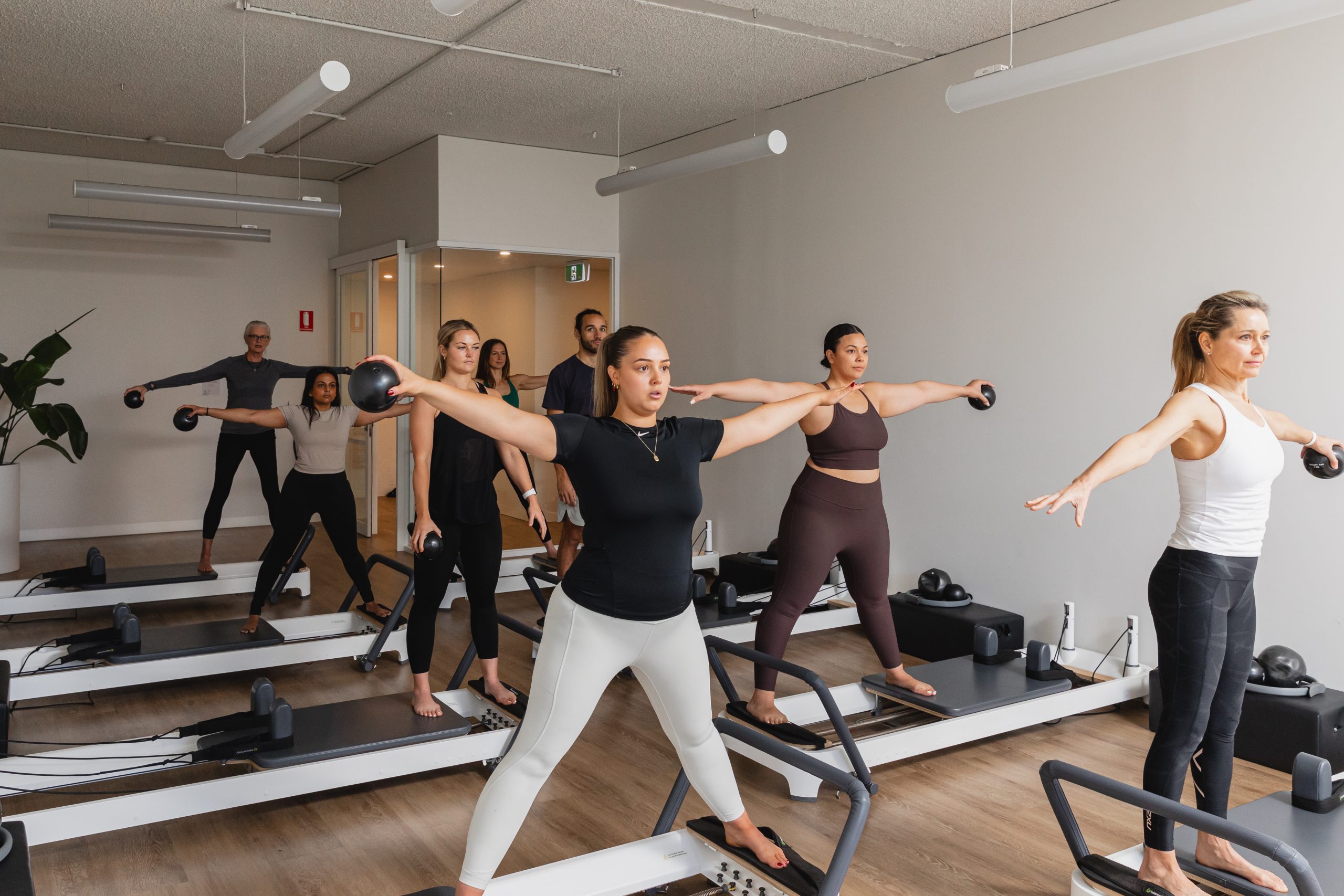
Four at most, with a physiotherapist running it. Everyone is working through their own program at their own pace, so there is nothing to keep up with and nobody at the front counting you in. If a movement hurts, the person who wrote your program is standing next to you and changes it there and then.
Different job. Reformer Pilates teaches one sequence to a full room and it is genuinely good once your body is ready for it. Clinical is individualised and capped at four, which is what you want when something is sore, recent, or has come back for the third time. Reformer trains the room. Clinical trains you. We run both, and we are not precious about which one you end up in.
Nobody arrives here because they fancy doing Pilates. They arrive because something has stopped behaving and the internet has run out of useful answers.
If you are not certain it is the right fit, starting with one-on-one physiotherapy is often the sensible order, and the assessment will tell us either way.
From most of Brighton East it is a short run, either down Hawthorn Road or along the Nepean Highway. No station, no changing lines, no walk at the far end. You park out the front, you go in, you drive home. That sounds like a small thing until you have tried to hold a weekly habit together around finding a park.
A lot of Brighton East runs on sport. Weekend football and netball, tennis, and the long loops people walk and run at Dendy Park before the day starts. Those bodies rarely need to be told to move more. They need someone to work out which part is quietly doing work it was never built for, then load it properly rather than resting it and hoping.
Brighton East sits between Hampton, Bentleigh and Brighton, so there is no shortage of places to get an opinion. What is different here is that the physiotherapist who assesses you is the one who writes your program and the one standing in the room while you do it. Nothing gets handed over, and nothing gets lost between people.
The assessment comes first. One-on-one with a physiotherapist. Your history, what a normal week involves, what you have already tried, then watching how you actually move. Nothing is written before that part is done.
Then you get your own program. Built for your body and for what you want back, whether that is a full Saturday of sport, sleeping through the night, or lifting a child without bracing first.
Classes are capped at four. Same physio, small room, your program. Everyone around you is doing something different, so there is no pace to match and no back row to hide in.
It changes as you do. Programs get reviewed and progressed. What you start with is not what you will be doing in two months.
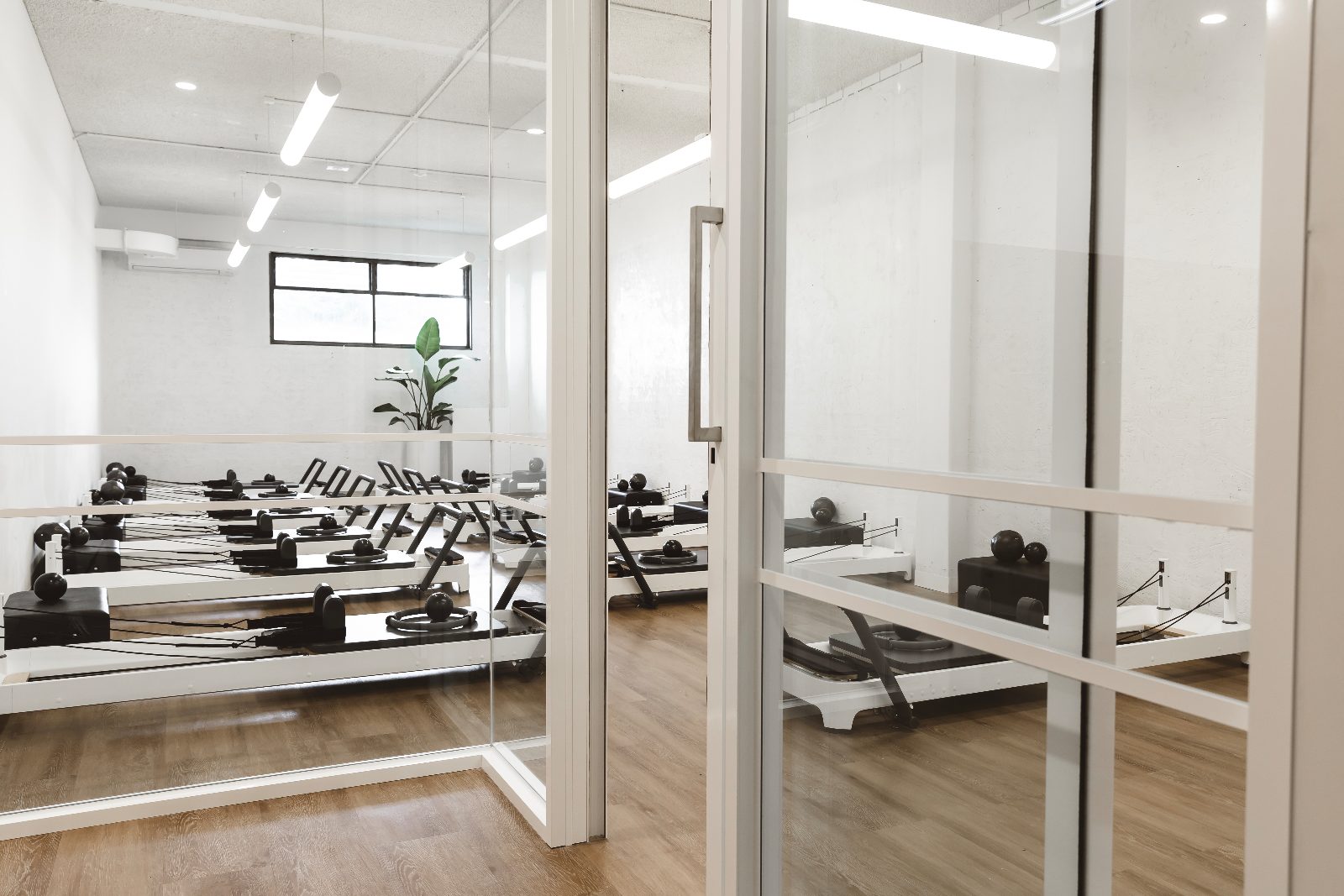
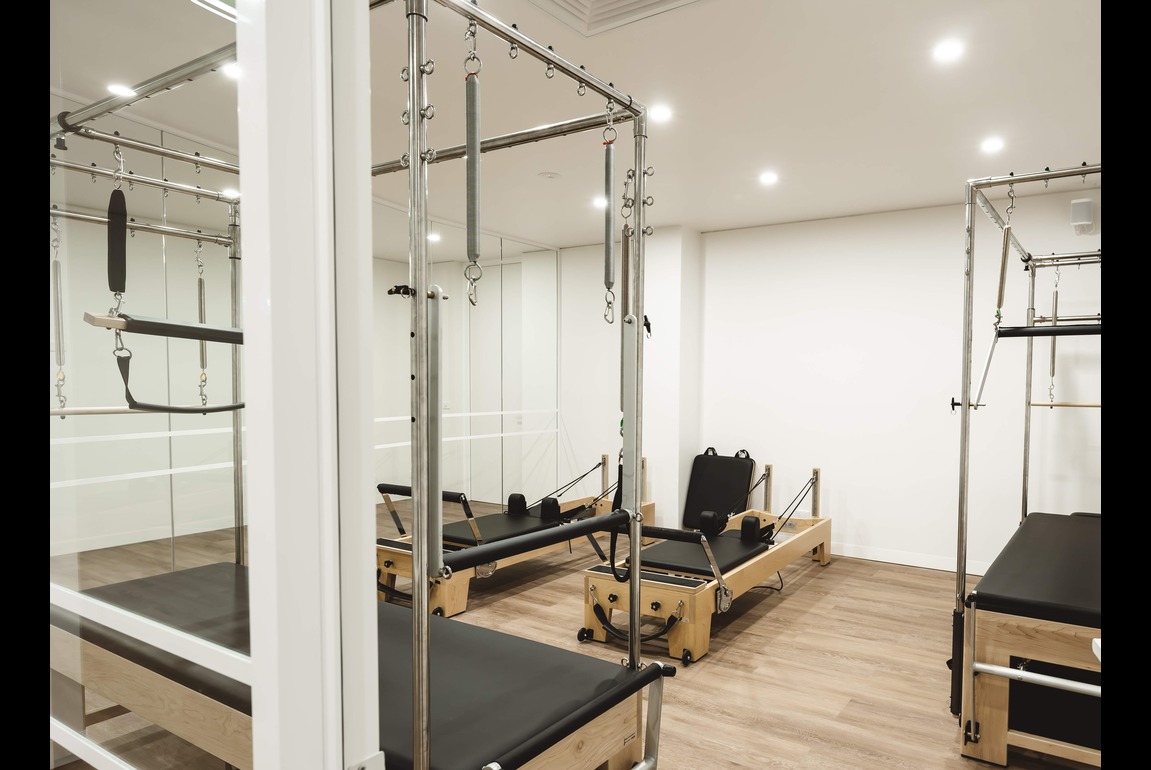
We are at 1/854-860 Nepean Highway, Hampton East, a short run south of Brighton East. There is no train station in the suburb, so nearly everyone drives, either straight down Hawthorn Road or along the Nepean Highway. The building sits on the highway itself, so it is easy to pick on the way past, and parking is directly out the front rather than three streets back.
No. You can book an initial assessment yourself and come straight in. If your GP has already written you a Medicare Care Plan, bring it and we can use it. TAC and WorkCover claims are welcome too. Most people simply book, come in, and claim the appointment on their private health extras as physiotherapy on the way out, using HICAPS at the desk.
No. The assessment is a starting line, not a test. Your program is written from what your body can do on the day you walk in, then built up from there. Plenty of people start while they are still sore, still stiff, or years away from any regular exercise. Because everyone in the room is doing their own program, there is nothing to keep up with.
Usually, yes. Old sporting injuries are a big part of what we see from Brighton East. The assessment looks at what the injured area has been avoiding and what has quietly taken over the job, then the program loads it back up in a controlled way instead of resting it and hoping. If it needs hands-on treatment first, we will tell you that.
A Reformer class teaches one sequence to a full room, and it is a good workout once your body is ready for it. Clinical Pilates is capped at four, run by a physiotherapist, and everyone is following a program written for them after a one-on-one assessment. If you are not sure which one suits you right now, the assessment will answer that.
One-on-one with a physiotherapist, no referral, and a program built for the body you have now rather than the one you had ten years ago. Parking is out the front.
Physiotherapy - 15/08/2026
Prefer to talk? Yarraville (03) 8319 9945 · Hampton East (03) 9086 3740 · Kensington (03) 8319 9946
Please don’t include medical or health information in this form. For clinical questions or appointments, call your studio or book online. Your message goes straight to the studio you choose.
This site is protected by reCAPTCHA and the Google Privacy Policy and Terms of Service apply.

Specialist care from physios who truly understand women’s bodies.

Senior Women’s Health Physiotherapist
Emily has a deep passion for empowering women to take control of their pelvic health. She creates a warm, judgement-free space where you can talk openly about what’s really going on.
With advanced training in pelvic floor rehabilitation, Emily treats a wide range of conditions including incontinence, prolapse, pelvic pain, and pregnancy-related concerns. She takes the time to really listen, explain what’s happening in your body, and build a treatment plan that fits your life. Whether you’re preparing for birth, recovering postpartum, or navigating menopause — Emily is here to help you feel strong and confident again.

Women’s Health Physiotherapist
Tori is passionate about helping women feel heard and supported through every stage of life. She combines clinical expertise with genuine empathy to deliver care that makes a real difference.
Tori brings a holistic, evidence-based approach to treating pelvic floor dysfunction, pregnancy-related pain, and postnatal recovery. She has a special interest in helping women return to exercise safely after having a baby and supporting those with persistent pelvic pain. Tori believes every woman deserves to understand her body and feel empowered in her recovery — no topic is too awkward, and no concern is too small.