All in - 04/11/2026


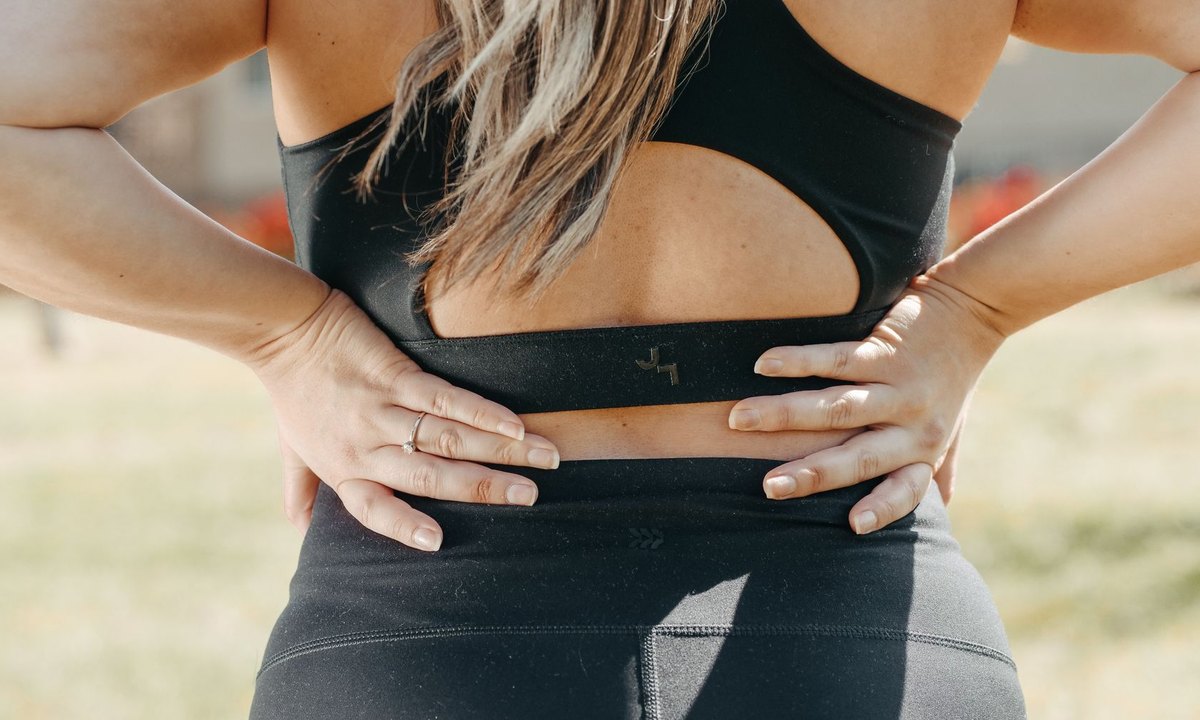
You bent down for the washing basket and something in your lower back grabbed. Now you’re stuck halfway, breathing through your teeth and working out how you’ll ever reach the couch. It feels catastrophic, and it almost never is.
Your back rarely goes during something impressive. You’d at least have a story if it happened on a ski slope. It goes while you’re picking up a sock, lifting a toddler out of the car seat or reaching for the dog’s bowl, and then you lie on the floor wondering how a sock did this to you.
You’ve got company on that floor. About 8 in 10 Australian adults have had low back pain at some point. The first thing most people want to know is whether they’ve done something terrible. Usually they haven’t.
The muscles around your back can spasm, which is why you can feel locked in place, and the pain can feel far bigger than the problem. It’s real pain, and it’s also a poor guide to how much damage there is, because a sharp flare during a movement doesn’t mean you’ve hurt anything new.
Of 1,172 people in Sydney who saw a health professional for new back pain, just 0.9% had something serious.
Your back is more likely to go when you’re tired, distracted, in an awkward position or holding something heavy, and mornings are the worst. That comes from a study of 999 people in Sydney. So if you were rushing the school bags out the door on four hours’ sleep, your back may have had a point.
Most people don’t. Without warning signs, a scan done early doesn’t help people get better any sooner.
When researchers pooled the scans of 3,110 people with no back pain at all, 30% of 20-year-olds had a disc bulge, and by 80 it was 84%. Think of them as grey hairs on the inside. A physio or GP can examine you and work out whether you need a scan.
Lots of us grew up being told to lift with a straight back, and after one bad episode it’s easy to start moving like you’re made of glass. There isn’t much behind that rule. People with and without back pain bend much the same way when they lift, at least in 9 of 11 studies. They weren’t great studies, so we can’t be certain, but a rounded back at the washing basket looks a lot less dangerous than we were taught. The exception is osteoporosis or a past spinal fracture, where loaded forward bending isn’t recommended, so ask your physio what suits you.
Once the pain goes, life rushes back in and you forget about your back until it goes again. In one study, 69% of people had it happen again within a year, and for 40% it was bad enough to limit what they could do.
Keep moving after it stops hurting. Exercise has the best record of anything at keeping back pain away.
Walk. Of 701 Australians who’d just recovered, most of them women with an average age of 54, those on a physio-guided walking and education program typically went 208 days before back pain next got in the way of their day, against 112 days without it.
Build some strength. Doing some strength work two or three times a week, with a bit of stretching or cardio mixed in, seems to mean fewer flare-ups.
Get a plan from a physio. Once the pain has settled, a physio can look at how you move, work out what might be setting it off and build you a program that fits your week.
Give yourself a few minutes on the floor, then get moving a little at a time, even if it’s only as far as the kettle. Your back is almost certainly less damaged than it feels, and gentle movement is what helps most.
Call 000 if you lose feeling or movement in your legs, can’t pass urine, can’t control your bladder or bowels, have numbness between your legs or around your genitals, have trouble breathing, or your back pain follows a serious accident.
Get urgent medical care if you have new weakness in your legs, trouble passing urine, a fever above 38 degrees, or severe pain that keeps getting worse instead of better.
See a doctor as soon as you can if you’ve had cancer, have osteoporosis, take long-term steroids, get infections easily, or are losing weight without trying.
Book a physio if it isn’t settling, if it keeps coming back, if you’ve become nervous about moving, or if you get a numb patch, pins and needles or pain spreading down your leg.
Back still grumbling?
One of our physios can look at how you’re moving, talk you through what’s going on and work out what to do next.
Heat has the better evidence. There isn’t enough research on cold to say either way.
If you can get there, staying active usually helps more than staying in bed.
Discs don’t slip out of place. Bulges are common, including in people with no pain at all. A physio or GP can check whether a nerve is involved.
Gentle movement is a good idea. Tell your teacher what’s going on, and check with your physio if you’re unsure.
Back pain often comes back, and a repeat doesn’t mean something is wrong with your spine.
General information only. This article is general information, not advice for your situation. If you’re worried about your back, or have any of the warning signs above, see your GP, physio or another health professional.
All in - 04/11/2026
Prefer to talk? Yarraville (03) 8319 9945 · Hampton East (03) 9086 3740 · Kensington (03) 8319 9946
Please don’t include medical or health information in this form. For clinical questions or appointments, call your studio or book online. Your message goes straight to the studio you choose.
This site is protected by reCAPTCHA and the Google Privacy Policy and Terms of Service apply.

Care from physios who truly understand women’s bodies.

Senior Women’s Health Physiotherapist
Emily has a deep passion for empowering women to take control of their pelvic health. She creates a warm, judgement-free space where you can talk openly about what’s really going on.
With advanced training in pelvic floor rehabilitation, Emily treats a wide range of conditions including incontinence, prolapse, pelvic pain, and pregnancy-related concerns. She takes the time to really listen, explain what’s happening in your body, and build a treatment plan that fits your life. Whether you’re preparing for birth, recovering postpartum, or navigating menopause — Emily is here to help you feel strong and confident again.

Women’s Health Physiotherapist
Tori is passionate about helping women feel heard and supported through every stage of life. She combines clinical expertise with genuine empathy to deliver care that makes a real difference.
Tori brings a holistic, evidence-based approach to treating pelvic floor dysfunction, pregnancy-related pain, and postnatal recovery. She has a special interest in helping women return to exercise safely after having a baby and supporting those with persistent pelvic pain. Tori believes every woman deserves to understand her body and feel empowered in her recovery — no topic is too awkward, and no concern is too small.