All in - 04/11/2026


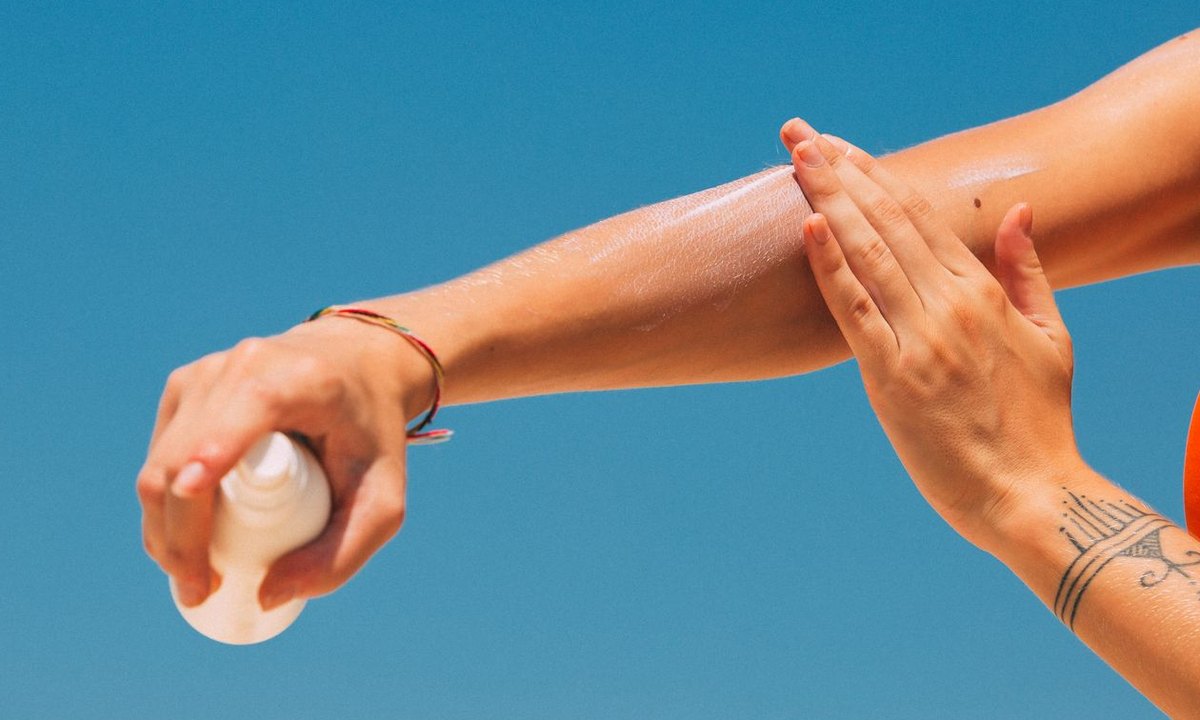
You bought the SPF 50, you put it on the kids, and then you read that some bottles had tested at less than half the number on the label. So do you trust what’s in the bathroom cupboard? Keep using it, and put on a lot more of it.
Sunscreen is about the most Australian thing we own. We grew up with zinc stripes and the Slip Slop Slap seagull. So finding out that a bottle promising SPF 50 might not deliver felt a bit like learning the school crossing lady had been making up the road rules.
In 2025, CHOICE sent 20 sunscreens to a lab and reported that 16 failed their SPF claims. The Therapeutic Goods Administration (TGA), which regulates sunscreen, counted 18. One tested at SPF 4, which is basically moisturiser, and it was recalled along with a string of products made on the same base formula. By June 2026 the TGA was still investigating the other 15 CHOICE had flagged, which isn’t much comfort in the chemist aisle.
Then in the same week of late October 2026, the TGA announced tighter rules and Consumer NZ released its own test, where 7 of 10 sunscreens missed their label. Six of those seven still came in at SPF 30 or above, and one claiming SPF 50 tested at SPF 14. The cheapest sunscreen in that test met its claims, so the budget bottle isn’t automatically the weak one.
The plan is for accredited labs, repeat tests on finished products and results sent to the TGA. Some of that may need new laws, so you won’t see it on the shelf yet. For now, makers don’t have to show the TGA their SPF results unless they’re asked.
An SPF test typically uses 10 to 20 volunteers and reports their average, and someone judges the redness on their skin by eye, so results can move around from lab to lab. One bad result doesn’t mean the bottle in your cupboard has stopped protecting you.
The scale also flattens out near the top. SPF 30 filters about 97% of UVB, the rays that burn you, and SPF 50 about 98%. So a sunscreen labelled 50 that tests at 35 is a fair thing to be cross about, but it’s still doing a good job. The bottles to worry about are the ones that land far lower, like that SPF 4.
The TGA says to choose SPF 30 or higher, and Cancer Council recommends SPF 50 or 50+. We’d go with the higher number. It gives you room for a label that’s a bit generous, and for the fact that you’re probably not putting on enough.
The lab puts on a thick, even coat, much thicker than anyone does at the beach. When a Queensland study measured real people, they used less than half that, and Cancer Council says going light can knock your real SPF down by 50 to 80%.
You want about 7 teaspoons (35 mL) for a full-body coat on an average adult, which will feel like far too much the first time. That’s at least a teaspoon each for:
Put it on 20 minutes before you go out. Reapply every two hours, and after swimming, sweating or towelling off. If a bottle lasts you all summer, you’re not using enough of it.
You can’t feel UV, so you can burn on a chilly, overcast Saturday on the sideline at junior netball. Protect your skin whenever the UV Index reaches 3, which in Victoria is usually from mid-August until the end of April. Melbourne’s average peak in November is about 8, which is already very high, and January’s average goes past 10.
The free SunSmart app shows the times you need protection each day. And don’t lean on sunscreen alone, because it’s the one form of protection that wears off. A shirt with sleeves, a hat with a wide brim, some shade and a decent pair of sunglasses don’t need reapplying.
Yes, and the best evidence comes from Queensland. In the town of Nambour, 1,621 adults were split into two groups: one put sunscreen on every day, the other used it whenever they normally would. Years later, the daily group had about half as many melanomas, although at 11 against 22 that’s a promising sign more than a sure thing. They also had nearly 40% fewer squamous cell cancers, one of the common skin cancers, though no clear drop in basal cell cancers. And the under 55s who were measured were 24% less likely to show more skin ageing, which, if we’re honest, is the number that’ll get most of us reaching for the tube.
The sunscreen in that trial was only SPF 15+, on the head and arms. So if you’ve been agonising in the chemist over the number, the bigger win is putting some on most mornings.
Two in three Australians will be diagnosed with skin cancer in their lifetime, and most melanomas are found by the person who has them, or their partner. If you need a nudge, National Skin Cancer Action Week comes around each November.
Have a look over your skin every three months, from your scalp to the soles of your feet, and get someone else to check your back. You’re looking for new spots, and for anything that has changed in size, shape or colour.
Not everyone needs a yearly full-body check, so ask your GP what makes sense for you, particularly if you have fair skin that burns easily, a lot of unusual moles or a close relative who has had melanoma.
Keep the sunscreen, and use more of it. Pick an SPF 50 or 50+ with an AUST number, put on a teaspoon per body part, and add a hat.
See your GP promptly about any new spot, any mole that has changed, or any sore that isn’t healing. A mole-checking app can’t replace a doctor looking at your skin.
Only if it’s out of date, has been cooking in the car, or is on the recall list, which you’ll find on the TGA’s website.
On paper the gap is small, but a higher number gives you more room, because most of us apply too little.
Yes, if the UV Index is 3 or above. Check the SunSmart app instead of the sky.
For most people, no. Cancer Council says sunscreen has minimal effect on vitamin D over time, and a few minutes outdoors most days is enough when the UV is 3 or above. If you’re at higher risk of low vitamin D, ask your GP.
About a teaspoon for your face, neck and ears together.
General information only. This article is general information, not advice for your situation. Sunscreen testing and the rules around it were changing as this was written, so check the TGA’s website for the latest. If you’re worried about your skin, see your GP.
All in - 04/11/2026
Prefer to talk? Yarraville (03) 8319 9945 · Hampton East (03) 9086 3740 · Kensington (03) 8319 9946
Please don’t include medical or health information in this form. For clinical questions or appointments, call your studio or book online. Your message goes straight to the studio you choose.
This site is protected by reCAPTCHA and the Google Privacy Policy and Terms of Service apply.

Care from physios who truly understand women’s bodies.
Senior Women’s Health Physiotherapist
Emily has a deep passion for empowering women to take control of their pelvic health. She creates a warm, judgement-free space where you can talk openly about what’s really going on.
With advanced training in pelvic floor rehabilitation, Emily treats a wide range of conditions including incontinence, prolapse, pelvic pain, and pregnancy-related concerns. She takes the time to really listen, explain what’s happening in your body, and build a treatment plan that fits your life. Whether you’re preparing for birth, recovering postpartum, or navigating menopause — Emily is here to help you feel strong and confident again.

Women’s Health Physiotherapist
Tori is passionate about helping women feel heard and supported through every stage of life. She combines clinical expertise with genuine empathy to deliver care that makes a real difference.
Tori brings a holistic, evidence-based approach to treating pelvic floor dysfunction, pregnancy-related pain, and postnatal recovery. She has a special interest in helping women return to exercise safely after having a baby and supporting those with persistent pelvic pain. Tori believes every woman deserves to understand her body and feel empowered in her recovery — no topic is too awkward, and no concern is too small.