Hip Arthritis Symptoms: Where It Hurts and What Helps
The common signs, how it differs from pain on the side of the hip, and what to do next.

Hip arthritis often does not hurt where people expect. The ache can sit in the groin, the buttock or the front of the thigh, and sometimes it turns up in the knee.
Hip osteoarthritis is very common, and it becomes more common as we get older. Plenty of people have signs of it on an X-ray and no symptoms at all. For those who do, the symptoms vary from person to person, which is part of why it can be confusing.
The hip joint sits deep in the groin, not at the bony point on the side of the hip that most people think of as their hip. So the pain it causes is usually felt:
That last one catches people out. Pain from the hip joint can be felt down the thigh and in the knee, so some people have their knee checked first when the problem is actually the hip.
Symptoms often come and go, so a bad week does not necessarily mean the hip is getting worse. Over time, some people also notice pain at rest or at night, and ongoing pain can affect sleep and mood. Both are worth mentioning to your physio or GP.
A bad week is not always a worse hip. Symptoms often come and go.
Hip pain has a few common causes, and they are treated differently, which is why it is worth getting it properly assessed.
Pain on the outside of the hip is often coming from the tendons there rather than the joint. We have written about that separately: lateral hip pain in women aged 40 to 60, and why your hip hurts when you sleep on your side. The lower back can also send pain into the buttock and thigh. These overlap, and it is common to have more than one.
In most cases a doctor or physiotherapist can diagnose hip osteoarthritis from your symptoms and an examination, including how the hip moves and how strong the muscles around it are. An X-ray is sometimes used for more information, but you do not need one before you start treatment. You do not need one to join the GLA:D program either.
It is also worth knowing that an X-ray and how a hip feels do not always match. Some people have significant changes on an X-ray and mild symptoms, and some have the opposite.
Recent evidence puts education, exercise and weight management as the first line of care for hip osteoarthritis, and the Royal Australian College of General Practitioners guideline strongly recommends exercise for it.
We want to be straight with you about what the research shows. The most recent Cochrane review of exercise for hip osteoarthritis, published in 2026, found that on average the improvements in pain and function in trials were small. That is part of why a good program measures where you start and checks again later, so you can see whether it is working for you rather than taking it on faith.
In GLA:D Australia’s national results, people with hip osteoarthritis reported 27% less hip pain on average a year after starting, and 44% were using less pain medication. Those results have no comparison group, so they show what typically happened rather than a promise of what will happen for you.
If the pain and stiffness keep getting worse and are seriously limiting your daily life, even after a proper go at exercise and the other first steps, talk to your GP about seeing an orthopaedic surgeon. Hip replacement is a well-established operation and a reasonable option to discuss at that point.
If you do go on to have surgery, the work beforehand is not wasted. GLA:D Australia notes that people who complete its program before a joint replacement tend to recover faster afterwards.
Think it might be your hip?
GLA:D is a structured education and exercise program for knee and hip osteoarthritis, run by our physios at Yarraville and Hampton East. It starts with a one-on-one assessment, and you do not need a referral or an X-ray.
Usually a deep ache in the groin, buttock or front of the thigh, often with stiffness first thing in the morning or after sitting. Many people notice it most when walking, getting up from a chair, or putting on socks and shoes.
Most often deep in the groin, but also in the buttock, around the side of the hip and down the front of the thigh. Pain mainly on the outside of the hip, sore to press, is more often from the tendons there.
Yes. Pain from the hip joint can be felt down the thigh and in the knee, so some people have their knee checked first when the problem is actually the hip.
Some people with hip osteoarthritis notice pain at rest or at night over time. Pain on the outside of the hip when you lie on that side is often from the tendons rather than the joint. If night pain is new, severe or getting worse, see your GP.
Not usually. A doctor or physiotherapist can often diagnose it from your symptoms and an examination, and X-ray changes do not always match how the hip feels. GLA:D Australia does not require an X-ray to join its program.
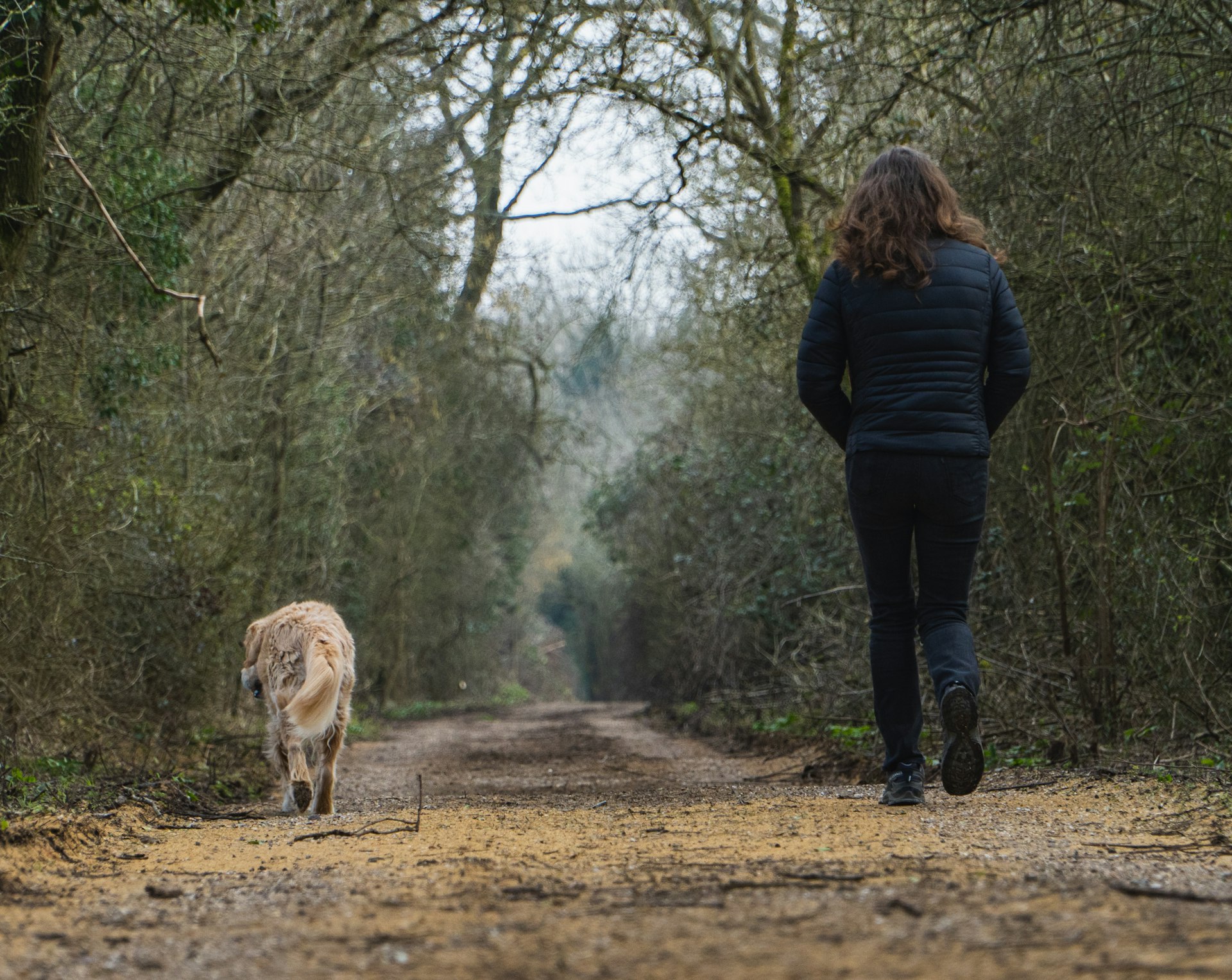
Yes. Australian guidelines strongly recommend exercise for hip osteoarthritis, and walking is one of the simplest ways to do it. Start with a comfortable distance and build slowly.
General information only. This article is general information, not advice for your situation. Everyone’s joints and health are different, so talk to your physio, GP or another health professional about your own symptoms before you start or change any treatment.
All in - 30/09/2026
All in - 30/09/2026
What the research says, how much to do, which shoes help, and how to tell normal soreness from too much.
READ MOREPrefer to talk? Yarraville (03) 8319 9945 · Hampton East (03) 9086 3740 · Kensington (03) 8319 9946
Please don’t include medical or health information in this form. For clinical questions or appointments, call your studio or book online. Your message goes straight to the studio you choose.
This site is protected by reCAPTCHA and the Google Privacy Policy and Terms of Service apply.

Specialist care from physios who truly understand women’s bodies.

Senior Women’s Health Physiotherapist
Emily has a deep passion for empowering women to take control of their pelvic health. She creates a warm, judgement-free space where you can talk openly about what’s really going on.
With advanced training in pelvic floor rehabilitation, Emily treats a wide range of conditions including incontinence, prolapse, pelvic pain, and pregnancy-related concerns. She takes the time to really listen, explain what’s happening in your body, and build a treatment plan that fits your life. Whether you’re preparing for birth, recovering postpartum, or navigating menopause — Emily is here to help you feel strong and confident again.

Women’s Health Physiotherapist
Tori is passionate about helping women feel heard and supported through every stage of life. She combines clinical expertise with genuine empathy to deliver care that makes a real difference.
Tori brings a holistic, evidence-based approach to treating pelvic floor dysfunction, pregnancy-related pain, and postnatal recovery. She has a special interest in helping women return to exercise safely after having a baby and supporting those with persistent pelvic pain. Tori believes every woman deserves to understand her body and feel empowered in her recovery — no topic is too awkward, and no concern is too small.