Physio for Osteoporosis
A supervised, progressive strength and impact program for bone density, built on the research that changed osteoporosis exercise. Led by a physiotherapist, started one-on-one, and claimable on your physio extras.

Physiotherapy · Hampton East
Bones respond to the right load at any age. This is the safe, supervised way to give it to them: assessed against your scan, taught privately until you trust it, then into a class with people in it.
★ 4.9 across 260+ Google reviews · HICAPS on the spot · No referral needed
Searching for exercises?
The ones that actually build bone need to be loaded properly and supervised, not guessed from a video. Here is the program that does it.
Sound familiar?
Osteoporosis, or osteopenia, and a recommendation you’ve heard somewhere before: do some weight-bearing exercise. Nobody showed you what that means, how heavy is helpful, or what’s safe for a spine like yours. So you’re walking more and Googling a lot, half-motivated and half-frightened, treating your own body like something that might break if you use it. Here’s the part the letter didn’t say: bone is living tissue, it responds to being loaded, and the loading works best when someone qualified builds it around your scan and stands next to you while you learn it.
What’s going on
The research on osteoporosis exercise changed in the last decade, and it surprises people: carefully supervised resistance and impact training, at meaningful weights, is safe for people with low bone density and does more for bones, balance and confidence than gentle exercise alone. Our programming is modelled on the supervised heavy-loading trials that changed how osteoporosis exercise is prescribed, the same research your specialist reads. The word doing the work in that sentence is supervised: what’s right for your spine and hips depends on your scan, your history and your starting strength. This is also, honestly, about falls: strength and balance training is one of the best-proven ways to reduce the risk of the fall that osteoporosis makes costly.
Built around your scan. It starts one-on-one with a physio: your DEXA results, your history, your strength and balance measured, and a program built for your bones specifically. Bring the report; we read them every week. With your permission, we’ll also write to your GP after your assessment so your whole care team is working from the same page.
Taught one-on-one until you trust it. You’ll learn every exercise with your physio beside you, at your pace, until both of you trust your technique under load. Never a printed sheet and a wave. The supervision is the safety, and it’s also where the fear goes.
A pathway out of the clinic. As your strength and confidence build, the program moves out of one-on-one care: into Clinical Pilates, then down the hall into the studio, where Midlife Strength classes were built for exactly this season of your body. The end point isn’t endless appointments. It’s you, lifting confidently, in a room with a coach and people in it, with your physio nearby if you need them.
Tori leads this work at Hampton East: more than ten years of experience, with a particular interest in bone health and osteoporosis through perimenopause and menopause.
How to choose
If you have been told to find a supervised, evidence-based program, here is what a good one includes, and what ours does.
Assessed against your DEXA scan and built for your bones specifically
Supervised by a qualified physiotherapist, not a general class instructor
Progressive resistance at meaningful load, the kind bones respond to, not gentle movement
Impact and balance training to reduce the risk of the fall that osteoporosis makes costly
Taught one-on-one first, so your technique is trusted before you ever join a group
A pathway into ongoing strength classes so the habit lasts beyond the program
Claimable on your physio extras, with your GP kept in the loop
Strong Bones does all seven.

More than ten years across private practice in Australia and the UK, with a career focus on complex, persistent pain, and on back, hip and bone health through perimenopause and menopause.
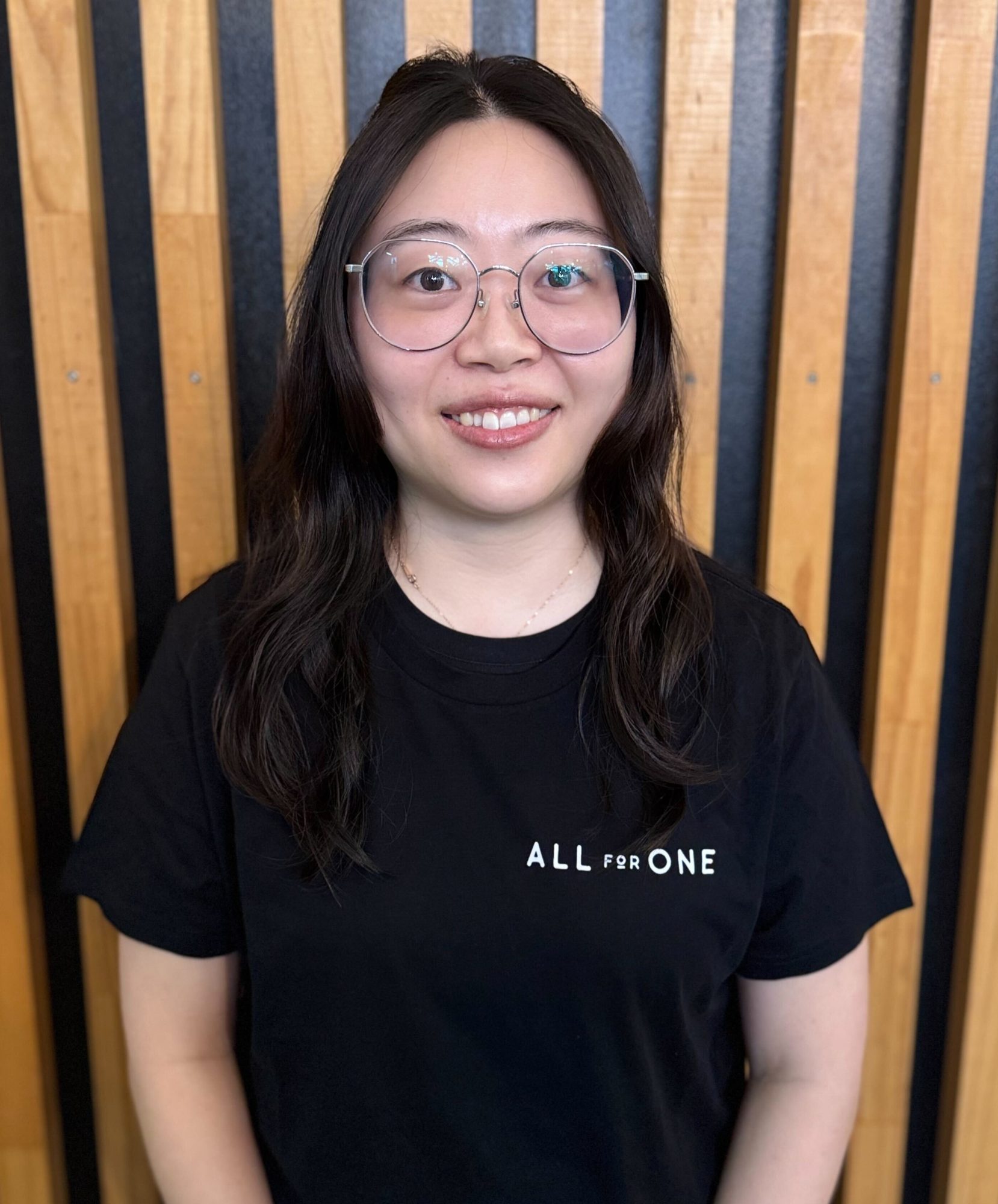
Doctor of Physiotherapy from the University of Melbourne, with a particular interest in headaches and jaw pain, and a patient eye for the problems that keep coming back.
“I can’t recommend Tori enough. As a physio, her knowledge is incredible, and you can tell she genuinely cares about helping everyone move well. Every class is supportive, challenging, and fun, and Tori always makes everyone feel welcome, no matter where they’re starting from. I’m so grateful to have found her.”
On the Nepean Hwy in Hampton East with parking on site. Your initial physio consultation covers assessment and a written plan in the same visit. Private health rebates claimed on the spot with HICAPS. No referral needed, and no scan needed to start: if you haven’t had a DEXA, we’ll point you in the right direction.
Book online, or call the studio and tell us about your scan: 03 9086 3740.
The strongest evidence supports supervised progressive resistance training and impact loading, alongside balance training to reduce falls risk. Walking helps general health but doesn’t load bone enough on its own. A physio-led program covers all three, safely.
With proper assessment, technique coaching and gradual progression, resistance training is safe for most people with low bone density, and it’s the type of exercise bones respond to most. In our Strong Bones program every exercise is taught one-on-one with a physio until your technique is trusted under load.
Exercise can improve bone density for some people and slow loss for most, and it reliably improves the strength and balance that prevent falls. It works alongside, not instead of, whatever your doctor has prescribed, and with your permission we keep your GP in the loop.
It depends on your spine and your scan; blanket lists online are often wrong in both directions. Your physio will tell you specifically what to modify, which is usually a shorter list than people fear.
No. Bring your DEXA results if you have them, and if you don’t, we’ll assess you and point you toward the right next step. You don’t need a referral to see us.
No, and that’s the point. The program starts one-on-one, then progresses into Clinical Pilates and studio classes like Midlife Strength as your confidence builds, so the long-term habit lives in a class, not an appointment book.
An initial consultation covers assessment and your written plan. Private health rebates are claimed on the spot with HICAPS.
All for One runs its physio-led Strong Bones program at Hampton East on the Nepean Hwy, with parking on site, plus our Yarraville and Kensington studios. Book online or call 03 9086 3740.
We don’t deliver Onero itself. Our Strong Bones program is built on the same supervised, progressive heavy-resistance and impact research (the LIFTMOR trials) that programs like it are based on. The difference is in how we run it: it’s led by a physiotherapist, it starts one-on-one until you trust the movements under load, it’s claimable on your physio extras, and we write to your GP so your care team is aligned. If you were looking for evidence-based bone-loading with proper supervision, close to home, that’s exactly what this is.
Book online, or call the studio and tell us about your scan: 03 9086 3740.
Experts in their field, specialists in holistic health
Prefer to talk? Yarraville (03) 8319 9945 · Hampton East (03) 9086 3740 · Kensington (03) 8319 9946
Please don’t include medical or health information in this form. For clinical questions or appointments, call your studio or book online. Your message goes straight to the studio you choose.
This site is protected by reCAPTCHA and the Google Privacy Policy and Terms of Service apply.

Specialist care from physios who truly understand women’s bodies.
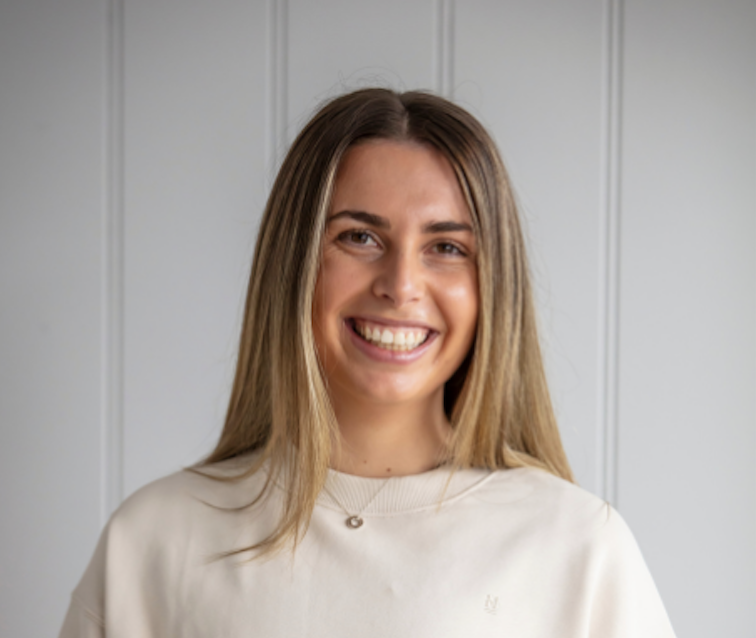
Senior Women’s Health Physiotherapist
Emily has a deep passion for empowering women to take control of their pelvic health. She creates a warm, judgement-free space where you can talk openly about what’s really going on.
With advanced training in pelvic floor rehabilitation, Emily treats a wide range of conditions including incontinence, prolapse, pelvic pain, and pregnancy-related concerns. She takes the time to really listen, explain what’s happening in your body, and build a treatment plan that fits your life. Whether you’re preparing for birth, recovering postpartum, or navigating menopause — Emily is here to help you feel strong and confident again.

Women’s Health Physiotherapist
Tori is passionate about helping women feel heard and supported through every stage of life. She combines clinical expertise with genuine empathy to deliver care that makes a real difference.
Tori brings a holistic, evidence-based approach to treating pelvic floor dysfunction, pregnancy-related pain, and postnatal recovery. She has a special interest in helping women return to exercise safely after having a baby and supporting those with persistent pelvic pain. Tori believes every woman deserves to understand her body and feel empowered in her recovery — no topic is too awkward, and no concern is too small.