All in - 05/08/2026

The health benefits of doing something you’re bad at — why beginners have all the fun
Trying something new and being genuinely terrible at it might be exactly what your brain and body need right now.
There’s a particular kind of discomfort that comes with being a beginner. The not-knowing-where-to-stand. The asking someone to repeat the instructions twice. The quiet hope that nobody is watching while you figure out which way is left.
Most of us, somewhere along the way, decided we didn’t like that feeling. So we stuck to the things we were already good at. We got very comfortable with our comfort zones.
But here’s what the research actually shows: being a beginner — genuinely, awkwardly, trying-your-best-and-still-getting-it-wrong — is one of the most beneficial things you can do for your health. And not just your physical health.
What happens in your brain when you try something new
When you learn a new skill, your brain forms new neural connections. This process — neuroplasticity — is essentially your brain rewiring itself, and it’s one of the most powerful things you can do to maintain cognitive function as you get older. The more novel the activity, the more your brain has to work. And unlike the gym, where your body eventually adapts to the load, your brain keeps getting challenged every time the task is genuinely unfamiliar.
Studies have found that learning new skills is associated with improved memory, sharper attention, and a reduced risk of cognitive decline. One study found that adults who learned a complex new skill — like quilting or digital photography — showed significantly greater memory improvements than those who stuck to familiar activities.
The takeaway? Your brain loves a challenge. Especially one it hasn’t seen before.
The dopamine effect
There’s another reason being a beginner feels surprisingly good once you get past the initial awkwardness — and it comes down to dopamine.
Dopamine isn’t just released when you achieve something. It’s also released in anticipation of reward, and in response to novelty. Every small win as a beginner — landing the move for the first time, getting through a class without stopping, finally understanding what the instructor means — triggers a dopamine hit that a seasoned practitioner simply doesn’t get in the same way.
Beginners experience more of these small wins per session than anyone else. Which means, counterintuitively, beginners might actually be having more fun.
The ego gets a workout too
There’s also something quietly powerful about willingly putting yourself in a situation where you’re not the expert. In a culture that rewards competence and confidence, choosing to be bad at something — and showing up anyway — builds a kind of resilience that’s hard to find elsewhere.
Psychologists call this tolerance for failure. And it turns out it’s strongly linked to lower anxiety, better stress management, and higher overall life satisfaction. People who regularly try new things tend to be less afraid of getting things wrong in other areas of their lives too.
Being a beginner teaches you that you can be uncomfortable and okay at the same time. That’s a genuinely useful skill.
What this looks like in practice
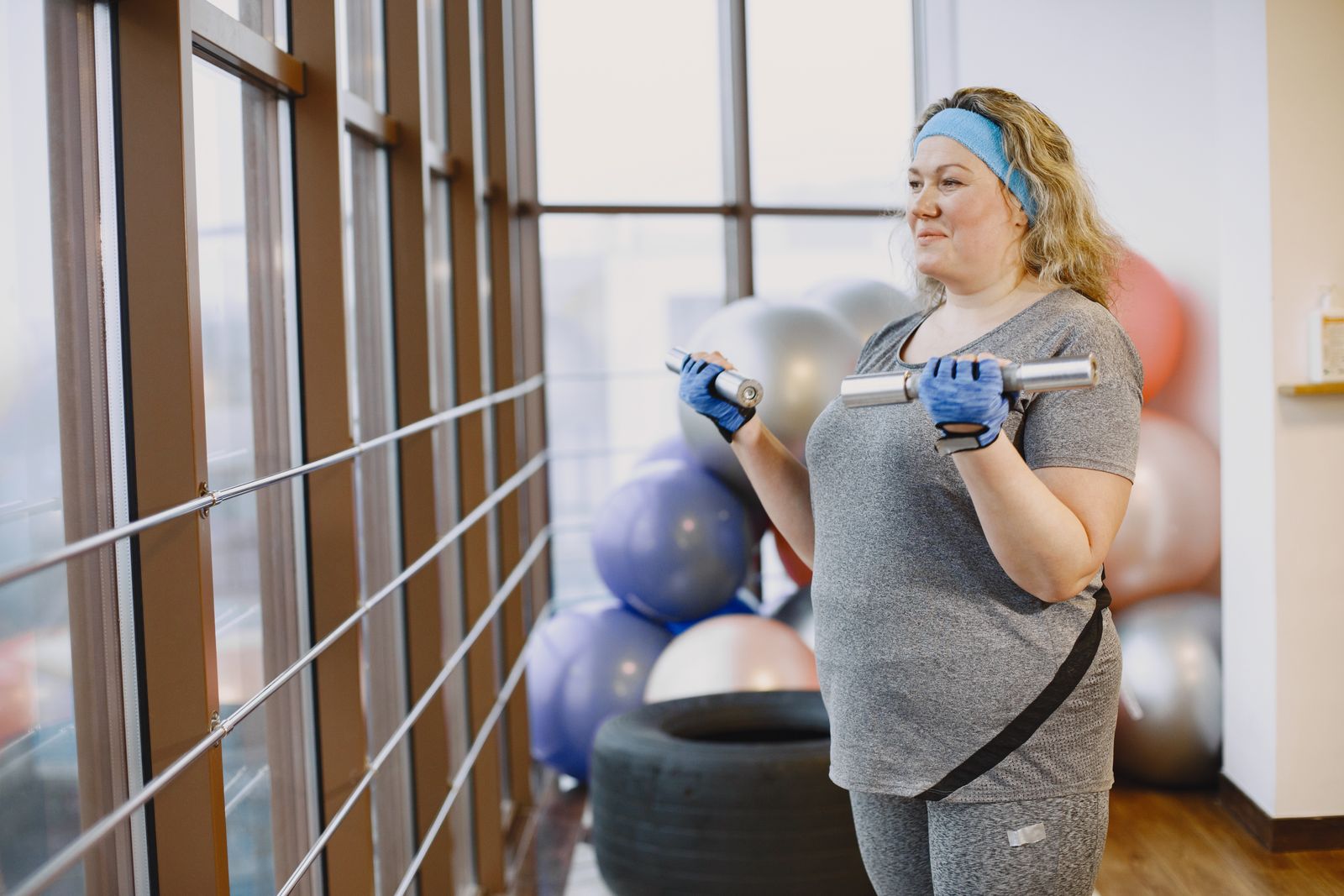
It doesn’t have to be dramatic. It doesn’t mean signing up for a marathon or taking up a musical instrument (although both count). It might mean finally trying that reformer class you’ve been curious about for months. Walking into the weights room for the first time. Booking a yoga class when you’ve only ever done Pilates. Trying boxing when the thought of it makes you slightly nervous.
The point isn’t the activity. It’s the willingness to be new at something — to show up without the armour of expertise, and discover what your brain and body are still capable of learning.
We see this all the time at All for One. The people who walk in nervous and a little unsure are often the ones who get the most out of it. Not just physically, but in the way they carry themselves. There’s something that shifts when you realise you’re more capable than you thought.
That shift is available to everyone. You just have to be willing to be a beginner first.
Curious about trying something new? We’d love to help you find the right class or service for where you’re at right now. Come in, ask questions, and let us take it from there.
All in - 05/08/2026
Prefer to talk? Yarraville (03) 8319 9945 · Hampton East (03) 9086 3740 · Kensington (03) 8319 9946
Please don’t include medical or health information in this form. For clinical questions or appointments, call your studio or book online. Your message goes straight to the studio you choose.
This site is protected by reCAPTCHA and the Google Privacy Policy and Terms of Service apply.

Specialist care from physios who truly understand women’s bodies.

Senior Women’s Health Physiotherapist
Emily has a deep passion for empowering women to take control of their pelvic health. She creates a warm, judgement-free space where you can talk openly about what’s really going on.
With advanced training in pelvic floor rehabilitation, Emily treats a wide range of conditions including incontinence, prolapse, pelvic pain, and pregnancy-related concerns. She takes the time to really listen, explain what’s happening in your body, and build a treatment plan that fits your life. Whether you’re preparing for birth, recovering postpartum, or navigating menopause — Emily is here to help you feel strong and confident again.

Women’s Health Physiotherapist
Tori is passionate about helping women feel heard and supported through every stage of life. She combines clinical expertise with genuine empathy to deliver care that makes a real difference.
Tori brings a holistic, evidence-based approach to treating pelvic floor dysfunction, pregnancy-related pain, and postnatal recovery. She has a special interest in helping women return to exercise safely after having a baby and supporting those with persistent pelvic pain. Tori believes every woman deserves to understand her body and feel empowered in her recovery — no topic is too awkward, and no concern is too small.