All in - 05/08/2026

Why Does My Hip Hurt When I Sleep on My Side?
If you’ve ever climbed into bed, rolled onto your side and felt that sharp ache on the outside of your hip, you’re in good company. It’s one of the most common things we see in women through midlife — and it’s often more fixable than people expect.
For some people it’s just annoying. For others, it starts affecting sleep, walking, stairs or even how long they feel comfortable standing.
One common reason is greater trochanteric pain syndrome (GTPS), which affects the soft tissues on the outside of the hip, particularly the gluteal tendons. It’s more common than most people realise, and the good news is it responds well to the right approach.
So why does it tend to flare up at night?
In simple terms, lying on your side places pressure through the outer hip. If those tissues are already irritated, that compression can make them much more noticeable. Side sleeping, crossing your legs, standing with your weight dropped into one hip, or lots of stairs can all stir things up.
The reassuring part is that this doesn’t automatically mean something serious — and it doesn’t mean you need to stop moving altogether. In fact, the most helpful approach is usually not full rest, but the right mix of load management, strengthening and small changes to reduce irritation. Most people we work with start noticing real improvement within four to six weeks when they get that balance right.
A few simple habit changes can sometimes make a meaningful difference overnight: try sleeping on the other side with a pillow between your knees, avoid crossing your legs for extended periods, and notice whether you tend to drop your weight into one hip when standing.
These small adjustments can help calm things down while the hip gets stronger and less sensitive.
At All for One, our approach is always about looking at the whole picture — understanding what’s driving the pain, what’s keeping it going, and what will actually work for your body and your routine. For some people that means practical changes and a tailored strengthening plan. For others it may include hands-on treatment, movement retraining or progressing into Clinical Pilates when the timing is right.
Because the goal isn’t just to get through the night. It’s to help you move more comfortably, feel more supported in your body, and get back to doing the things you enjoy without that constant niggle in the background.
If pain on the outside of your hip is affecting your sleep or daily movement, it’s worth getting it assessed. With the right support, it often responds really well.
If this sounds familiar, come in and talk to one of our physios. We’ll help you make sense of what’s going on and put together a plan that actually fits your life.
All in - 05/08/2026
Prefer to talk? Yarraville (03) 8319 9945 · Hampton East (03) 9086 3740 · Kensington (03) 8319 9946
Please don’t include medical or health information in this form. For clinical questions or appointments, call your studio or book online. Your message goes straight to the studio you choose.
This site is protected by reCAPTCHA and the Google Privacy Policy and Terms of Service apply.

Specialist care from physios who truly understand women’s bodies.
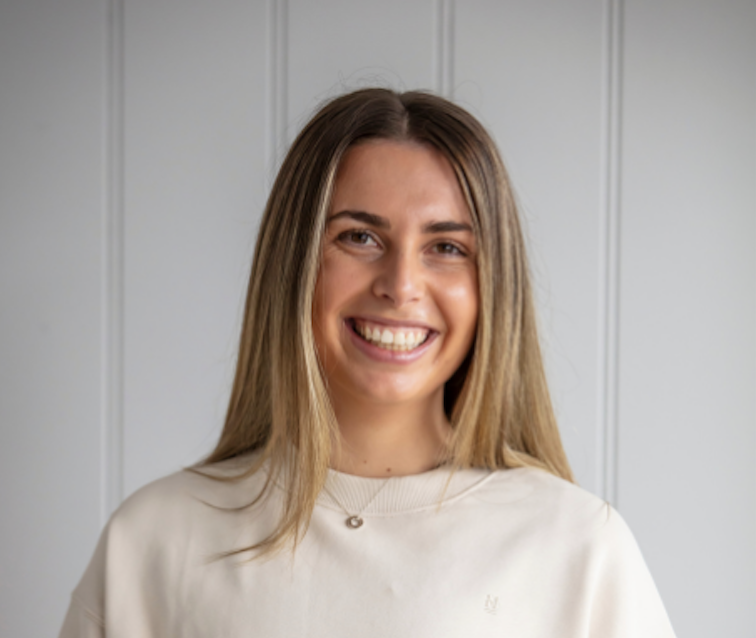
Senior Women’s Health Physiotherapist
Emily has a deep passion for empowering women to take control of their pelvic health. She creates a warm, judgement-free space where you can talk openly about what’s really going on.
With advanced training in pelvic floor rehabilitation, Emily treats a wide range of conditions including incontinence, prolapse, pelvic pain, and pregnancy-related concerns. She takes the time to really listen, explain what’s happening in your body, and build a treatment plan that fits your life. Whether you’re preparing for birth, recovering postpartum, or navigating menopause — Emily is here to help you feel strong and confident again.

Women’s Health Physiotherapist
Tori is passionate about helping women feel heard and supported through every stage of life. She combines clinical expertise with genuine empathy to deliver care that makes a real difference.
Tori brings a holistic, evidence-based approach to treating pelvic floor dysfunction, pregnancy-related pain, and postnatal recovery. She has a special interest in helping women return to exercise safely after having a baby and supporting those with persistent pelvic pain. Tori believes every woman deserves to understand her body and feel empowered in her recovery — no topic is too awkward, and no concern is too small.