All in - 05/08/2026

We tend to think about health at the extremes: being young, when everything works without asking, and being old, when things start going wrong. The decade in between does more of the deciding than either of them. Between roughly 36 and 46, muscle, bone, blood pressure and sleep all quietly stop looking after themselves, and what you do about that shows up in your 60s and 70s.
By your late 30s and 40s, most people are juggling work, kids, a mortgage and someone else’s appointments. Health slides to the bottom of the list, and nothing obvious goes wrong for a while, which is exactly what makes this decade easy to spend. It is also the decade in which several trajectories quietly set.
Heart health. The risk factors for cardiovascular disease, rising blood pressure, cholesterol and weight gain, commonly turn up for the first time in this decade. How they are managed now is a strong predictor of heart disease risk decades later.
Muscle and metabolism. Muscle mass naturally starts to decline from around age 35, at a few per cent per decade if nothing is done about it, which shows up in simple measures like how many single-leg calf raises a typical adult can manage, where the count slides with every decade. Less muscle means less of the tissue that burns energy and steadies your joints, so weight becomes easier to gain and harder to shift, and that is a training problem before it is a willpower problem.
Bone health. Peak bone mass is reached by around age 30. From the mid-30s onwards, bone density slowly declines, and for women the drop steepens around menopause, which is where a lot of future fracture risk is decided and why strength training through perimenopause matters more than it gets credit for.
Brain health. Sleep, exercise, blood pressure and how you handle stress in your 30s and 40s all track with cognitive decline risk decades later. The brain is on the list even though nothing feels different yet.
Cancer risk. Diet quality, alcohol intake and physical activity through this period are linked to cancer risk in midlife and beyond. None of this is about a single choice on a single Tuesday. It is the pattern.
Put together, the choices made between 36 and 46 behave like an investment fund. Nothing dramatic happens in any given year, and the compounding is the whole point.
Midlife habits outrank genetics more often than people expect. The Harvard Study of Adult Development followed the same people for decades and found that how well they aged physically in their 80s was better predicted by the habits they had built before 50 than by what they had inherited. The habits that mattered were unglamorous: not smoking, drinking little, staying physically active, keeping weight in a reasonable range, and having relationships that held. That cohort was small and entirely male, so read it as a strong signal rather than the final word.
A lot of later risk is modifiable, and midlife is where the levers are. The Lancet Commission on dementia estimates that close to half of dementia cases worldwide are potentially preventable through modifiable risk factors across a lifetime, and several of the biggest ones are midlife factors: high blood pressure, physical inactivity, excess weight, excess alcohol, smoking and untreated hearing loss. Cardiovascular research points the same way. Treating blood pressure and staying active in your 40s does more for your 70s than almost anything available later.
Bone responds to load, and it responds best while you still have some to protect. Resistance exercise, with enough calcium and vitamin D, is the best-supported way to slow bone loss through the late 30s and 40s. Osteoporosis prevention looks like lifting things, decades before anyone says the word osteoporosis to you.
And about those ageing bursts. You may have seen headlines that ageing happens in two bursts, at 44 and 60. That comes from a 2024 Stanford study that tracked around 135,000 molecules in 108 adults aged 25 to 75 and found most of them did not drift steadily with age but shifted in clusters, with the largest clusters near those two ages. Worth knowing what it does not say. It was a small group, the age spread was uneven, and it measured molecules rather than health outcomes, so it does not show that anyone wakes up abruptly older on a birthday. Several researchers have noted the headline travelled further than the paper did. What it is fair to take from it is that the mid-40s appear to be a period of genuine biological change, which is an argument for paying attention in this decade rather than the next one.
Chronological age is the easy one. It counts the years since you were born, it goes up at the same rate for everybody, and there is nothing to be done about it. Biological age is an attempt to describe something more useful: how well your body systems are actually functioning. Two people who are both 42 can have very different blood pressure, aerobic fitness, muscle mass, grip strength and blood markers, and it is that second picture that tracks with how the next 30 years tend to go.
The measurement is where it gets murky. The best-known tests are epigenetic clocks, which read chemical marks on your DNA and estimate an age from the pattern. They are real science and they do useful work in population research. They are also still imprecise at the level of one person. The clocks were built to predict averages across large groups rather than to hand an individual a verdict, results from different commercial tests on the same sample can disagree by years, and repeat testing can shift with things as ordinary as a poor night’s sleep, a big meal or a stressful week. Take any number you are given as a rough gauge, not a diagnosis, and be sceptical of anything sold alongside a supplement.
Here is the practical part. The inputs that move your biological age markers are the same ones this article is already about: resistance training, aerobic fitness, sleep, not smoking, keeping alcohol modest, and treating blood pressure and cholesterol when they start to creep. You do not need a test to start on any of them. Free proxies tell you plenty as it is, including how much you can lift, how fast you recover from a set of stairs, what your blood pressure reads at the pharmacy and how you sleep. If you want the strength and balance half of that measured properly rather than guessed at, strength testing gives you numbers you can retest in six months. Of the two ages, the one worth your attention is the one you can change.
No. Life expectancy in Australia sits at about 81 years for men and 85 for women, so at 36 you are not yet halfway. Most people reading this have another four and a half decades in front of them, which is a long time to live in whatever body you build over the next ten years.
What genuinely changes around now is not decline. It is maintenance. Up to your mid-30s, muscle and bone largely look after themselves. You could be fairly inactive and still get away with it, because the default settings were working in your favour. From the mid-30s, the defaults stop covering you, and the strength, bone density and aerobic fitness you keep become the ones you deliberately train for. That is the whole shift, and it is the reason a physiotherapist gets more interested in your 30s and 40s than you might expect.
It is a turning point in a good way. Bodies in their late 30s and 40s adapt well to training, recover well, and respond quickly to structure. Starting now is not late. It is early, and early is the cheap version.
None of these are new, and that is rather the point. The evidence has been pointing at the same short list for years.
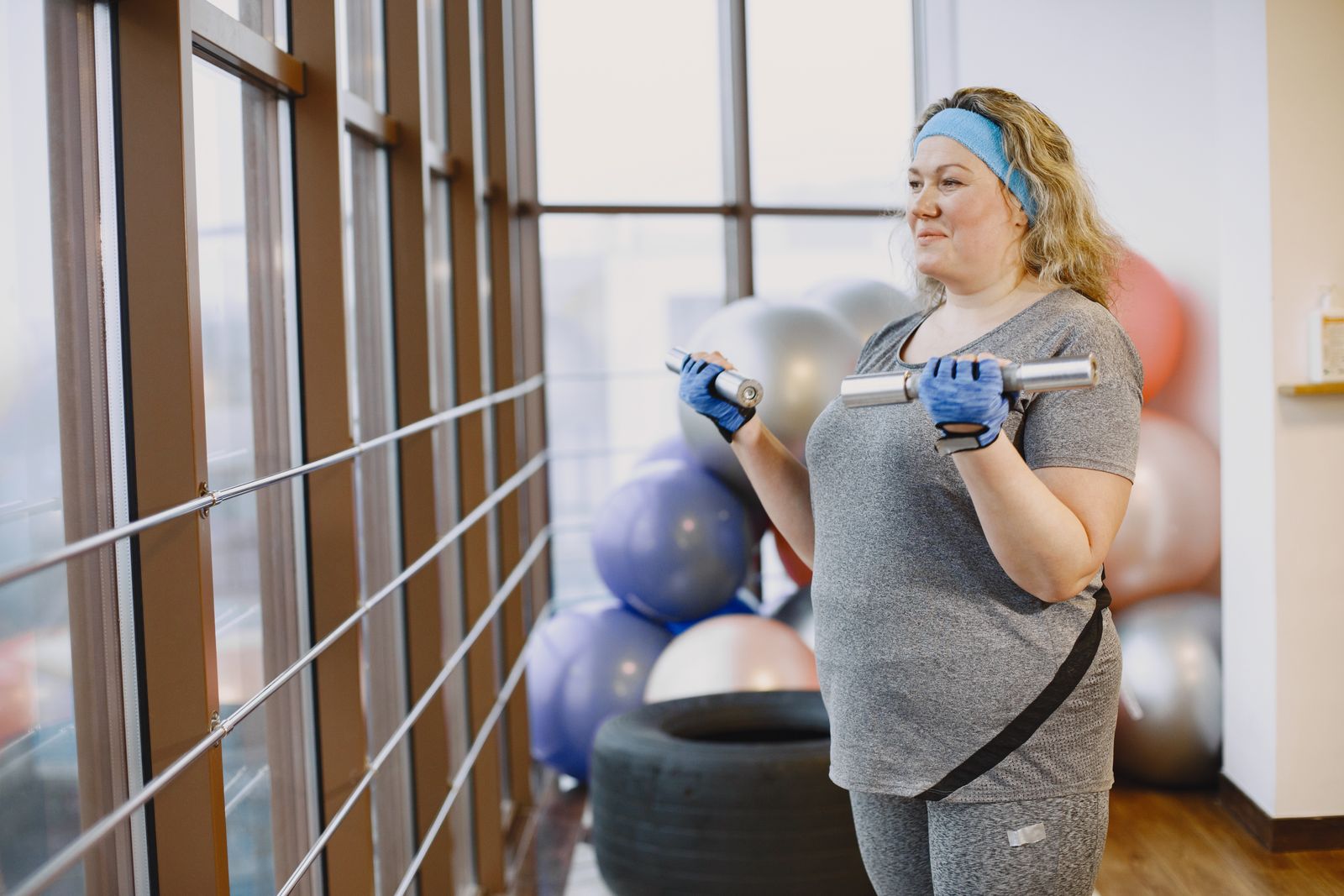
1. Prioritise movement. Aim for 150 to 300 minutes of moderate activity a week, or 75 to 150 minutes of vigorous activity, in line with the Australian physical activity guidelines. Then add resistance training on at least two days. The strength part is the one most often skipped and the one doing the most for muscle mass and bone density.
2. Feed your body sensibly. Plants, fibre and adequate protein across the day. Less ultra-processed food, fewer sugary drinks, and an honest look at alcohol, which quietly does more damage in this decade than most people credit.
3. Protect your sleep. Most adults need seven to nine hours. Sleep is when repair happens, and short sleep works against blood pressure, appetite, mood and training recovery all at once.
4. Manage stress. Chronic stress raises cardiovascular risk and travels with anxiety, low mood and gut symptoms. Mindfulness, yoga or a daily walk are not soft options, they are the interventions that people actually keep doing.
5. Stay connected. Social connection is one of the strongest predictors of long-term health, and it is the one nobody puts on a training plan. Keep the relationships that give you something back.
6. Get the boring checks done. Blood pressure, cholesterol, blood glucose and skin checks with your GP, before anything feels wrong. Most of what this decade decides is invisible until it is not, and a number on a page is a much easier problem than a diagnosis.
Nothing in this decade feels urgent. That is what makes it the one that counts.
Of the six, resistance training is the one people most reliably intend to do and least reliably start, usually because it is unclear what to do or how much, though the mechanics of getting stronger are simpler than they look. It is also the one with the most direct effect on the things this decade decides: muscle mass, bone density, blood glucose and how steady you are on your feet in 30 years.
Our Strength classes are small groups with real loading and coaching on technique, which is what makes the difference between turning up and progressing. Midlife Strength Training is built specifically for this stage of life, with bone density, joint health and the changes that come with perimenopause taken into account rather than treated as an afterthought.
If something already hurts, or you have not trained in years and would rather not guess, start with a physiotherapy appointment and let someone assess what you are working with. Otherwise, pick a class time on the book a class page and begin.
The years between 36 and 46 are not just another decade. They are the ones in which the blueprint for your 60s and 70s gets drawn, mostly through choices that feel too small to matter at the time: the class you booked, the walk you took, the second drink you skipped, the blood pressure reading you followed up.
And it is never too late to start. If you are already 46, or 56, the same habits still shift the trajectory, they just have less runway to work with. The best day to start was somewhere in your early 30s. The next best one is today.
Biological age is an estimate of how well your body systems are functioning, as opposed to chronological age, which simply counts the years since you were born. Two people the same age can differ a lot on blood pressure, aerobic fitness, muscle mass, grip strength and blood markers, and that second picture tracks better with future health. It is a useful idea, though the tests that try to put a number on it are still rough at the level of one individual.
You can improve the markers, and that is genuinely worth doing. Fitness, strength, blood pressure, blood glucose and sleep all respond to training and lifestyle change, and epigenetic clock readings can move as well. Claims of reversing ageing go well past what the evidence supports, though. The tests are imprecise for individuals, a lower number is not proof that ageing has been undone, and anything promising years off your age, particularly alongside a product, deserves scepticism.
Not remotely. At 36 you are not yet halfway through an average Australian life, and bodies in their late 30s and 40s adapt to training quickly. What changes at this stage is that muscle and bone need deliberate upkeep rather than looking after themselves, so the strength work becomes something you plan rather than something you get for free. Starting now is early, not late.
That headline comes from a 2024 Stanford study that tracked around 135,000 molecules in 108 adults and found many of them shifted in clusters rather than drifting steadily, with the biggest clusters near those two ages. It was a small group and it measured molecular markers rather than health outcomes, so it does not mean you age abruptly on a birthday. The reasonable reading is that the mid-40s look like a period of real biological change, which is a good reason to pay attention in this decade.
Muscle mass and strength do begin a slow decline from around the mid-30s, commonly cited at a few per cent per decade, and it accelerates later in life. It is not inevitable at that rate. Resistance training on two or more days a week is the best-evidenced way to hold onto muscle and bone, and people in their 30s and 40s typically gain strength quickly once they start.
The Australian guidelines ask for 150 to 300 minutes of moderate activity each week, or 75 to 150 minutes of vigorous activity, plus muscle strengthening on at least two days. The strength component is the part most people miss and the part that matters most for muscle mass and bone density in this decade. If that sounds like a lot, start with two strength classes a week and build the walking around it.
Book into a Strength or Midlife Strength class at whichever studio suits, or call and tell us where you are starting from. If you have not trained in a while, say so, and we will point you at the right class.
All in - 05/08/2026
Prefer to talk? Yarraville (03) 8319 9945 · Hampton East (03) 9086 3740 · Kensington (03) 8319 9946
Please don’t include medical or health information in this form. For clinical questions or appointments, call your studio or book online. Your message goes straight to the studio you choose.
This site is protected by reCAPTCHA and the Google Privacy Policy and Terms of Service apply.

Specialist care from physios who truly understand women’s bodies.

Senior Women’s Health Physiotherapist
Emily has a deep passion for empowering women to take control of their pelvic health. She creates a warm, judgement-free space where you can talk openly about what’s really going on.
With advanced training in pelvic floor rehabilitation, Emily treats a wide range of conditions including incontinence, prolapse, pelvic pain, and pregnancy-related concerns. She takes the time to really listen, explain what’s happening in your body, and build a treatment plan that fits your life. Whether you’re preparing for birth, recovering postpartum, or navigating menopause — Emily is here to help you feel strong and confident again.

Women’s Health Physiotherapist
Tori is passionate about helping women feel heard and supported through every stage of life. She combines clinical expertise with genuine empathy to deliver care that makes a real difference.
Tori brings a holistic, evidence-based approach to treating pelvic floor dysfunction, pregnancy-related pain, and postnatal recovery. She has a special interest in helping women return to exercise safely after having a baby and supporting those with persistent pelvic pain. Tori believes every woman deserves to understand her body and feel empowered in her recovery — no topic is too awkward, and no concern is too small.