All in - 05/08/2026

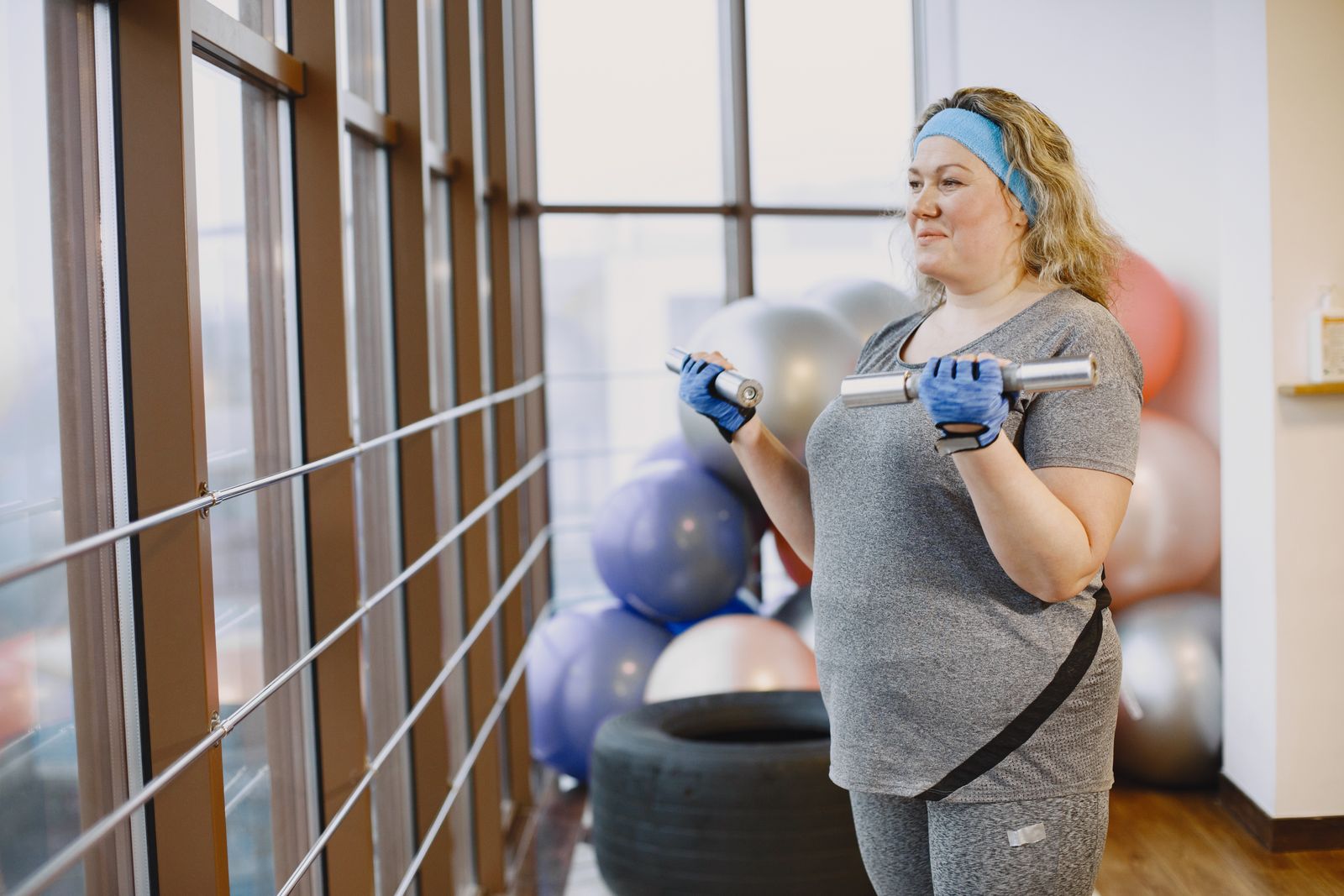
There are days when showing up to class feels effortless—and then there are weeks where even clicking “book now” feels like too much.
It’s normal. Life gets busy. Motivation dips. But here’s the good news: loving movement again isn’t about forcing yourself back into routine—it’s about retraining your brain to associate exercise with something that feels genuinely good.
And yes, this applies even when the class is 45 minutes long and includes glute holds.
The more often you leave movement up to daily motivation, the more likely it is to fall off your radar. Instead, treat your classes like appointments—scheduled and non-negotiable.
Set your weekly bookings at the start of the week. Decide once, and let the structure carry you. Your brain loves clarity—it’s not lazy, it just doesn’t like uncertainty.
When motivation drops, shift the goal. Instead of “I need to get stronger,” focus on how you want to feel when you leave the studio—clearer, steadier, stronger, lighter.
The brain responds better to emotional rewards than abstract ones. That post-class clarity? It’s your dopamine system saying, “Let’s do that again.”
There’s no medal for choosing the hardest class when your body or brain isn’t up for it. Some weeks, Strength feels right. Other weeks, it’s Yoga Slow. Listen inward.
All movement is valuable. Consistency always outperforms intensity—especially when you’re rebuilding momentum.
After your class, plan something small you look forward to. Your favourite coffee. A few minutes of silence in the car. A text to a friend saying, “I did it.”
This creates a positive feedback loop—your brain starts to link “I showed up” with “I feel good.” And that’s what keeps you coming back.
Motivation doesn’t have to be internal. At All for One, the energy of the room—the instructor, the community, the quiet accountability of shared effort—is part of what makes it easier to show up.
Even on your lowest days, someone will meet you with a smile, not judgement. That matters more than we realise.
We get it: sometimes you feel tired, out of shape, or off your game. But showing up imperfectly is still showing up. And it counts.
Movement isn’t about being “on.” It’s about being present.
You don’t need to feel motivated to move. You just need a few brain-friendly systems, a welcoming space, and a reason that feels meaningful to you.
At All for One, we’re here to help you build habits that feel less like a grind and more like coming home to yourself. Because the strongest routines start with self-compassion—and one small decision to show up.
All in - 05/08/2026
Prefer to talk? Yarraville (03) 8319 9945 · Hampton East (03) 9086 3740 · Kensington (03) 8319 9946
Please don’t include medical or health information in this form. For clinical questions or appointments, call your studio or book online. Your message goes straight to the studio you choose.
This site is protected by reCAPTCHA and the Google Privacy Policy and Terms of Service apply.

Specialist care from physios who truly understand women’s bodies.
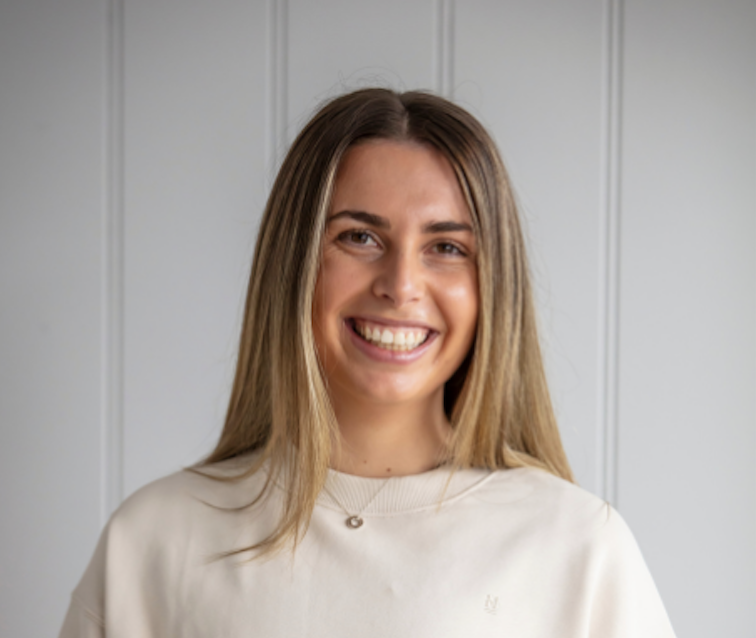
Senior Women’s Health Physiotherapist
Emily has a deep passion for empowering women to take control of their pelvic health. She creates a warm, judgement-free space where you can talk openly about what’s really going on.
With advanced training in pelvic floor rehabilitation, Emily treats a wide range of conditions including incontinence, prolapse, pelvic pain, and pregnancy-related concerns. She takes the time to really listen, explain what’s happening in your body, and build a treatment plan that fits your life. Whether you’re preparing for birth, recovering postpartum, or navigating menopause — Emily is here to help you feel strong and confident again.

Women’s Health Physiotherapist
Tori is passionate about helping women feel heard and supported through every stage of life. She combines clinical expertise with genuine empathy to deliver care that makes a real difference.
Tori brings a holistic, evidence-based approach to treating pelvic floor dysfunction, pregnancy-related pain, and postnatal recovery. She has a special interest in helping women return to exercise safely after having a baby and supporting those with persistent pelvic pain. Tori believes every woman deserves to understand her body and feel empowered in her recovery — no topic is too awkward, and no concern is too small.