Physiotherapy - 15/08/2026

By the All for One Physiotherapy team
Ankle. Shoulder. Lower back. Hamstring.
If you’ve found yourself injured in the same place more than once—or several times—it’s not bad luck. And it’s not just that you “didn’t rest enough.”
Injuries that keep coming back usually have something deeper going on. And the key to breaking that cycle? Understanding the why.
Here’s a secret physios know well: the place that hurts isn’t always the root of the problem.
Let’s say your knee flares up every time you try running again. The real issue could be:
Weakness or control issues in your hips
Lack of ankle mobility
Poor load tolerance from a rushed return to activity
Or maybe… your knee’s actually fine—but it’s doing too much to compensate for something else that’s not pulling its weight.
Our bodies are brilliant at finding workarounds—but those workarounds can turn into overload patterns over time. That’s why we don’t just treat symptoms. We assess how you move, what’s moving (and what’s not), and where the load is going.
We’ve said it before, and we’ll keep saying it: rest doesn’t equal rehab.
Sure, rest may help your pain settle. But if you don’t retrain the way you move, load and stabilise that area, it’s likely to flare up again the moment you start asking it to do more.
That’s why our goal in physio is never just to get you pain-free. It’s to build confidence, capacity and resilience in the tissues, joints and systems involved—so they can do their job when life gets demanding.
Some of the most common patterns we see are:
Underloading in rehab – stopping exercises too soon, or not progressing to higher loads before returning to sport or activity
Over-reliance on passive treatments – things like massage, taping or dry needling can help, but they don’t replace strength, stability or control
Lack of variability in training – doing the same movement patterns over and over creates blind spots in your body’s resilience
Neglecting whole-body function – treating the sore spot without looking at the rest of the chain (core, pelvis, foot, breathing, nervous system)
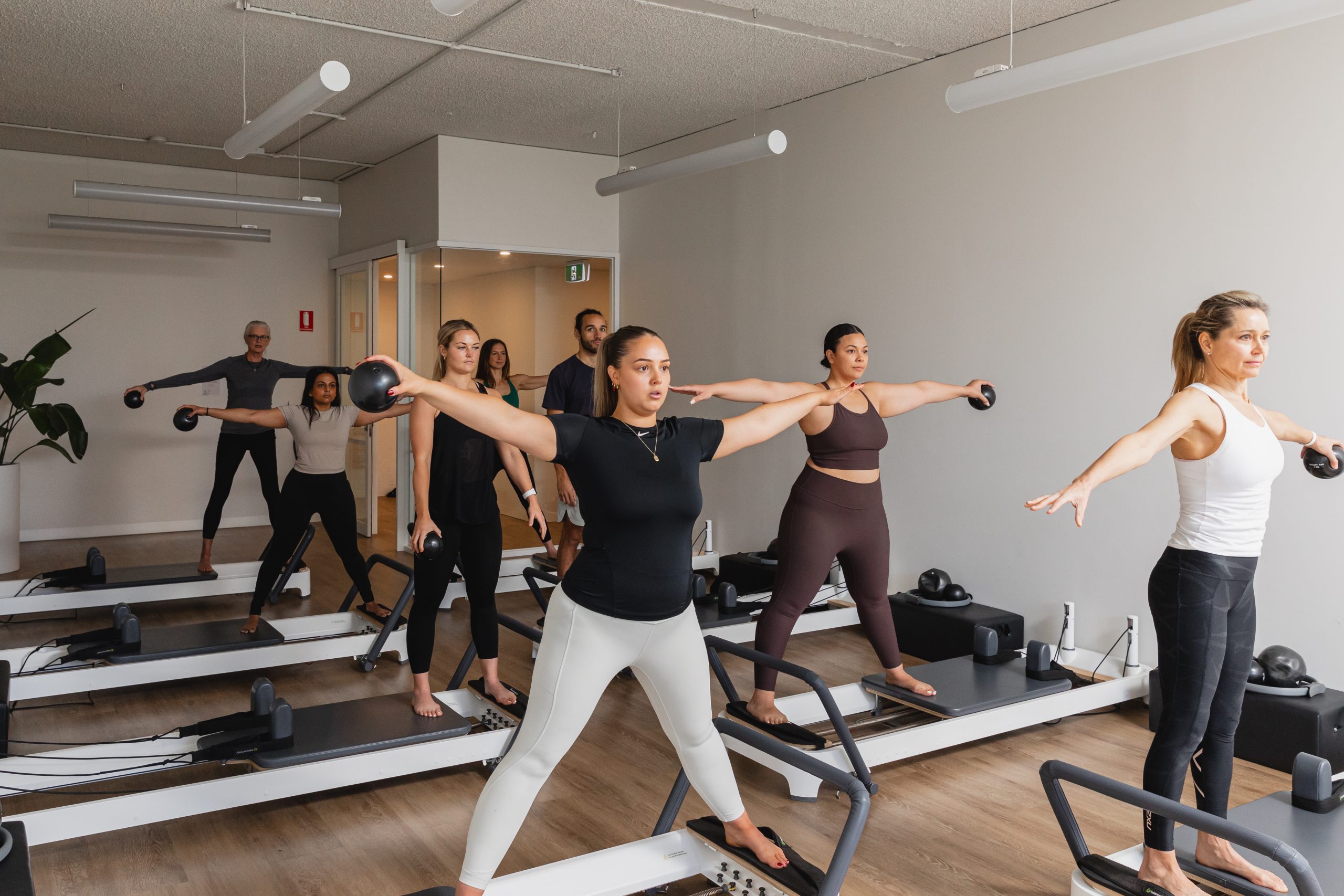
Whether you’re working with a physio, taking Clinical Pilates, or integrating strength work in a class, here’s what we focus on:
Finding the root cause, not just the sore spot
Building load gradually—then progressing it appropriately
Supporting movement confidence, so you stop avoiding activity out of fear
Collaborating with you—your goals, your sport, your life
Injuries happen. But they don’t have to keep happening.
You don’t have to live with flare-ups, rest cycles, or wondering when the pain will return. With the right guidance, you can move beyond symptom management—and into strength, trust, and freedom in your body.
All for One. One place, for movement that moves you forward—for good.
Physiotherapy - 15/08/2026
Prefer to talk? Yarraville (03) 8319 9945 · Hampton East (03) 9086 3740 · Kensington (03) 8319 9946
Please don’t include medical or health information in this form. For clinical questions or appointments, call your studio or book online. Your message goes straight to the studio you choose.
This site is protected by reCAPTCHA and the Google Privacy Policy and Terms of Service apply.

Specialist care from physios who truly understand women’s bodies.

Senior Women’s Health Physiotherapist
Emily has a deep passion for empowering women to take control of their pelvic health. She creates a warm, judgement-free space where you can talk openly about what’s really going on.
With advanced training in pelvic floor rehabilitation, Emily treats a wide range of conditions including incontinence, prolapse, pelvic pain, and pregnancy-related concerns. She takes the time to really listen, explain what’s happening in your body, and build a treatment plan that fits your life. Whether you’re preparing for birth, recovering postpartum, or navigating menopause — Emily is here to help you feel strong and confident again.

Women’s Health Physiotherapist
Tori is passionate about helping women feel heard and supported through every stage of life. She combines clinical expertise with genuine empathy to deliver care that makes a real difference.
Tori brings a holistic, evidence-based approach to treating pelvic floor dysfunction, pregnancy-related pain, and postnatal recovery. She has a special interest in helping women return to exercise safely after having a baby and supporting those with persistent pelvic pain. Tori believes every woman deserves to understand her body and feel empowered in her recovery — no topic is too awkward, and no concern is too small.