Physiotherapy - 30/10/2026
NDIS Physio in Kensington
For self-managed and plan-managed participants, at KCARC, in the pool or at home.
READ MORE
That heavy, dragging feeling has a name, and a treatment.
Prolapse symptoms are the quietest problem in women’s health. The heaviness by day’s end, the bulge you noticed in the shower, the sense that something is not where it was: most Williamstown women carry it privately for years before anyone tells them physiotherapy is the recommended first step. Our pelvic health physios see Williamstown patients at Yarraville, about ten minutes up Melbourne Road.
No referral needed · HICAPS on the spot · Postgraduate-trained women’s health physios · Rated 4.9 across 260+ Google reviews
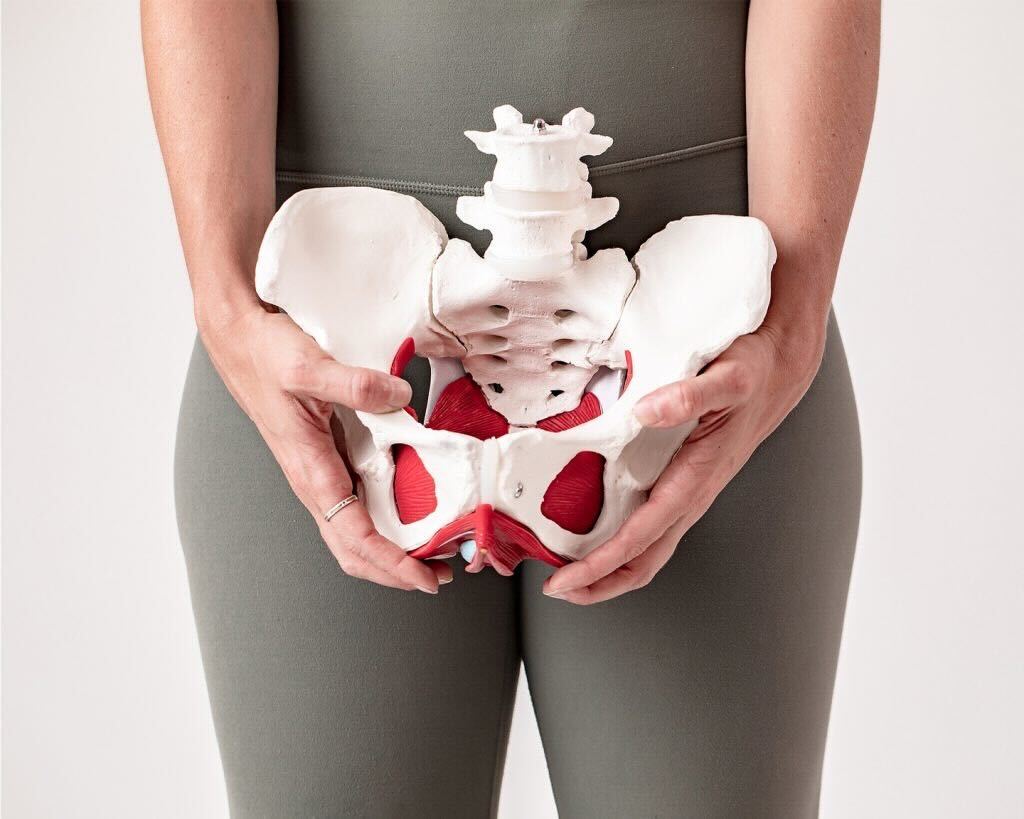
Pelvic organ prolapse is common after births and around hormonal change, and it sits on a spectrum: many women with a measurable prolapse have no symptoms, and many with strong symptoms improve dramatically without an operation. Pelvic floor training, load management and support options like pessaries reduce heaviness and dragging considerably, which is why physiotherapy comes before surgical opinions in every major guideline.
Assessment establishes what is actually going on, which on its own often shrinks the worry to fit the facts. We have written about why women wait too long to see a pelvic floor physio, because the waiting is usually the worst part.
Prolapse rarely travels alone. The same appointments cover the full pelvic picture for Williamstown women.
Stress incontinence and urgency share causes with prolapse and often share the fix: a pelvic floor program built off assessment rather than guesswork, through women’s health physiotherapy.
Pregnancy physiotherapy manages pelvic girdle pain and prepares your body for birth, which is also the best prolapse prevention available.
Birth is the biggest single load a pelvic floor takes. The 6 week postnatal check catches changes early, when treatment is easiest, and postnatal physiotherapy continues the rebuild.
A prolapse is not a sentence to stop exercising. Loads are staged, symptoms are monitored, and most women return to the activity they feared losing, lifting included.
Appointments run at our Yarraville studio on Campbell Street, around ten minutes from Williamstown via Melbourne Road.
13 Campbell Street
Yarraville VIC 3013
Pelvic health and women’s health physiotherapy for Williamstown. No referral needed, HICAPS on the spot, and answers instead of guessing.
Symptoms can improve substantially. Pelvic floor training, managing the loads that provoke heaviness, and support options where appropriate are first-line treatment, and many women avoid surgery entirely or delay it by years.
At the Yarraville studio on Campbell Street, roughly ten minutes up Melbourne Road. The same team sees women from Newport, Spotswood, Altona and Seaholme.
It is common, and it is exactly the symptom pattern worth assessing, because end-of-day heaviness usually responds well to treatment and load changes. Common and normal are not the same thing.
Only if you choose to be. It gives the most precise picture of a prolapse, but external assessment and real-time ultrasound are real alternatives, and you can decide visit by visit.
Usually no, though the loading may need staging while symptoms settle. Blanket bans create weaker bodies and more fear. Assessment first, then a plan that keeps you moving.
No referral needed. Book online or call, claim extras through HICAPS on the spot, and bring your baby along if that makes the logistics work.
Physiotherapy - 30/10/2026

Physiotherapy - 30/10/2026
For self-managed and plan-managed participants, at KCARC, in the pool or at home.
READ MOREPrefer to talk? Yarraville (03) 8319 9945 · Hampton East (03) 9086 3740 · Kensington (03) 8319 9946
Please don’t include medical or health information in this form. For clinical questions or appointments, call your studio or book online. Your message goes straight to the studio you choose.
This site is protected by reCAPTCHA and the Google Privacy Policy and Terms of Service apply.

Care from physios who truly understand women’s bodies.

Senior Women’s Health Physiotherapist
Emily has a deep passion for empowering women to take control of their pelvic health. She creates a warm, judgement-free space where you can talk openly about what’s really going on.
With advanced training in pelvic floor rehabilitation, Emily treats a wide range of conditions including incontinence, prolapse, pelvic pain, and pregnancy-related concerns. She takes the time to really listen, explain what’s happening in your body, and build a treatment plan that fits your life. Whether you’re preparing for birth, recovering postpartum, or navigating menopause — Emily is here to help you feel strong and confident again.

Women’s Health Physiotherapist
Tori is passionate about helping women feel heard and supported through every stage of life. She combines clinical expertise with genuine empathy to deliver care that makes a real difference.
Tori brings a holistic, evidence-based approach to treating pelvic floor dysfunction, pregnancy-related pain, and postnatal recovery. She has a special interest in helping women return to exercise safely after having a baby and supporting those with persistent pelvic pain. Tori believes every woman deserves to understand her body and feel empowered in her recovery — no topic is too awkward, and no concern is too small.