Dietitian - 23/11/2020
What is evidence based practice?
What is evidence based physiotherapy and why is it important for you?
READ MORE
Think about how your mother or grandmother handled menopause—it was likely a quiet, barely mentioned phase of life. Fast forward 30 to 50 years, and now medical professionals and women in the spotlight are talking openly about this important time in a woman’s life. It’s empowering to see more attention on menopause and how we can better support women through it.
With the average Australian woman living until 85, it’s important to focus on key lifestyle changes that can help ensure a long, healthy, and happy life through menopause and beyond. Here’s how to manage this life stage with a focus on nutrition and holistic health.
As you approach your 40s and 50s, declining oestrogen levels become the main driver of changes in your body. During the peri-menopausal years (the 10 or so years before menopause), women often experience a range of symptoms, including hot flashes, night sweats, brain fog, sleep disturbances, and weight gain.
Oestrogen plays a crucial role in regulating body weight, especially around the midsection. As levels naturally decrease, it can be easier to gain weight, while the loss of muscle mass can make it harder to maintain your weight.
The menopausal years are also a time when chronic inflammation becomes more common. Without oestrogen to regulate hormonal pathways, your body becomes more prone to inflammation, which affects many things, including nutrient absorption, insulin sensitivity, and fat storage. This is one reason why the risk of nutrient deficiencies, diabetes, heart disease, and osteoporosis increases for women during this life stage. Hormonal changes can also increase food intolerances and IBS.
What you eat can make a big difference in how you feel during menopause. There’s no one-size-fits-all approach—each woman’s symptoms and preferences are different. However, a balanced eating style can support your body and reduce symptom severity.
The Mediterranean diet is a great option that helps lower inflammation and reduce the risk of heart disease, cancer, and osteoporosis. But it’s about more than just olive oil. Mediterranean-style eating focuses on a balance of food groups: plenty of vegetables, fruits, whole grains, healthy oils (like fish and olive oil), and minimal processed foods or saturated fats.
Research has shown that eating nutrient-dense meals filled with vitamins, minerals, proteins, legumes, and healthy oils can reduce symptoms during menopause compared to eating refined, processed foods.
Protein becomes especially important during menopause. As muscle mass decreases with age and lower oestrogen levels, it’s essential to include lean protein sources like fish, eggs, tofu, dairy, or legumes at every meal. This supports muscle tone, balances blood sugar, and helps with overall health during this transition.
Oestrogen is key for calcium absorption, which is why the risk of osteoporosis increases during and after menopause. Vitamin D is also essential as it helps the body absorb calcium. To protect your bones, make sure to include calcium-rich foods like dairy, fortified plant milks, tofu, soybeans, nuts, and fish with bones. If you prefer plant-based options, ensure your choices are fortified with calcium, and talk to your dietitian or GP about supplementation if needed.
Certain foods can help balance hormones, reduce inflammation, and support overall health during menopause:
Menopause brings a lot of changes, but with the right nutrition and lifestyle choices, you can manage these shifts and live a healthy, fulfilling life. Focus on a balanced eating style—one that includes adequate protein, calcium-rich foods, antioxidants, and healthy fats—to thrive during menopause and beyond.
At All for One, we’re committed to helping you make the best choices for your health. If you’re navigating the menopausal years and looking for guidance on how to eat and live well, book a session with Angelique, our expert dietitian, and start your journey to better health today
Dietitian - 23/11/2020

Dietitian - 23/11/2020
What is evidence based physiotherapy and why is it important for you?
READ MOREPrefer to talk? Yarraville (03) 8319 9945 · Hampton East (03) 9086 3740 · Kensington (03) 8319 9946
Please don’t include medical or health information in this form. For clinical questions or appointments, call your studio or book online. Your message goes straight to the studio you choose.
This site is protected by reCAPTCHA and the Google Privacy Policy and Terms of Service apply.

Specialist care from physios who truly understand women’s bodies.
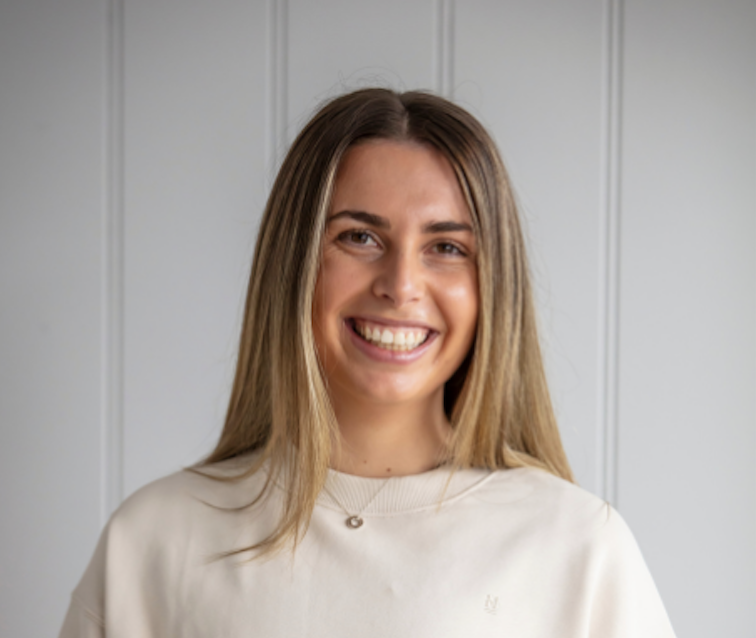
Senior Women’s Health Physiotherapist
Emily has a deep passion for empowering women to take control of their pelvic health. She creates a warm, judgement-free space where you can talk openly about what’s really going on.
With advanced training in pelvic floor rehabilitation, Emily treats a wide range of conditions including incontinence, prolapse, pelvic pain, and pregnancy-related concerns. She takes the time to really listen, explain what’s happening in your body, and build a treatment plan that fits your life. Whether you’re preparing for birth, recovering postpartum, or navigating menopause — Emily is here to help you feel strong and confident again.

Women’s Health Physiotherapist
Tori is passionate about helping women feel heard and supported through every stage of life. She combines clinical expertise with genuine empathy to deliver care that makes a real difference.
Tori brings a holistic, evidence-based approach to treating pelvic floor dysfunction, pregnancy-related pain, and postnatal recovery. She has a special interest in helping women return to exercise safely after having a baby and supporting those with persistent pelvic pain. Tori believes every woman deserves to understand her body and feel empowered in her recovery — no topic is too awkward, and no concern is too small.