Abdominal separation FAQ’s

Abdominal Separation FAQs

What is Abdominal Separation?


  • Abdominal separation or ‘diastasis recti’ is very common during and after pregnancy. It is a separation of the outer abdominal muscles and is often not painful and only noticed when performing abdominal-heavy movements such as lifting and sitting up from lying. This may look like doming through the middle of the belly or you make feel weak doing these movements. 

Who gets it?


  • Research shows that abdominal separation is present in 70-100% of women post-pregnancy. While many women don’t notice their abdominal separation, it can cause lower back pain and pelvic floor issues, especially with the increased lifting of a growing baby post-partum!

How can I prevent it?

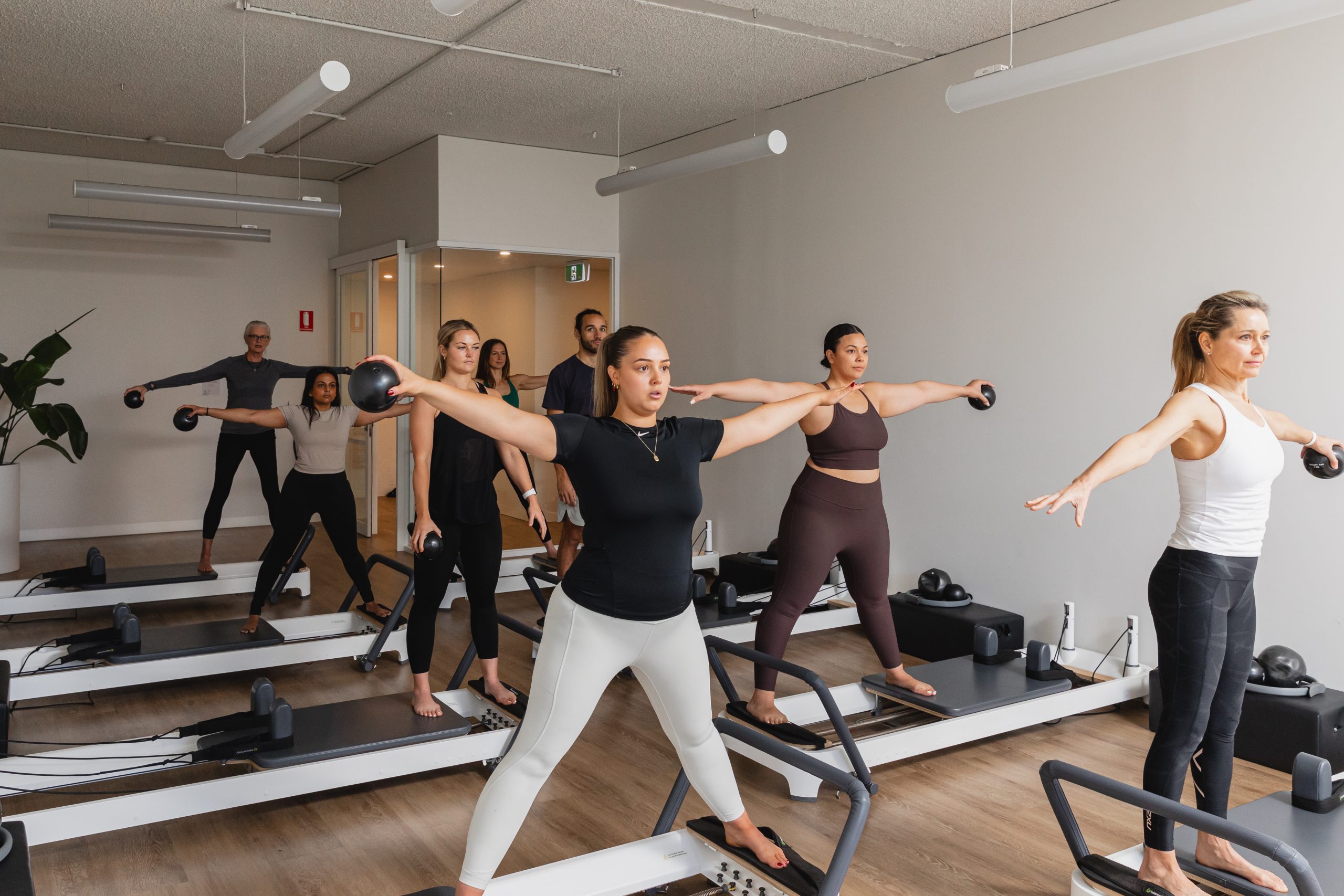
  • The best way to prevent and manage abdominal separation is to start Pilates led by a Physiotherapist who can guide you through strengthening exercises pre, during and post-partum. While it is best to start pre-natally, Pilates within the first year after delivery is proven to have the most benefit for managing and closing your abdominal separation. However, if it has been longer than a year, this does not mean that you cannot still make improvements or heal your abdominal separation – strengthening will always help!

What causes it?


  • Risk factors of abdominal separation include straining with exercise, heavy lifting and multiple pregnancies. 
  • Post-partum, our recommended amount of physical activity is 150 minutes per week. Within these 150 minutes, it is recommended to do 2 strengthening workouts weekly, with moderate cardiovascular exercise (e.g. brisk walking) the rest of the time. 
  • If you are concerned about having an abdominal separation or have any questions, pop in to see any of our friendly Physiotherapists who can help diagnose and guide you through management and healing. If you are pre-natal, we run Prenatal Pilates classes to help strengthen and prepare you for pregnancy and birth, as well as preparing yourself for the post-partum period. 

Mums and Bubs Pilates

  • We also run Mums and Bubs Pilates classes to help you rehabilitate, strength and regain fitness post-partum. It is so important to strengthen post-delivery as your body has been through huge changes with pregnancy and are then put under continuing stress and poor sleep. Lower back pain is so common post-natally because of the increased lifting demands post-partum with weakened abdominals. In addition to this, upper back and neck pain and stiffness is incredibly common with breastfeeding mothers.  Our mums and bubs pilates classes are designed to help prevent and manage these common pains and aches related to pregnancy, and help you feel strong. In addition to this, we also run Mums and Bubs yoga classes if a good stretch is what you are after! 


If you have any questions or concerns, please don’t hesitate to give us a call or make an appointment with one of our friendly physiotherapists! 

Meet Your Physios

Specialist care from physios who truly understand women’s bodies.
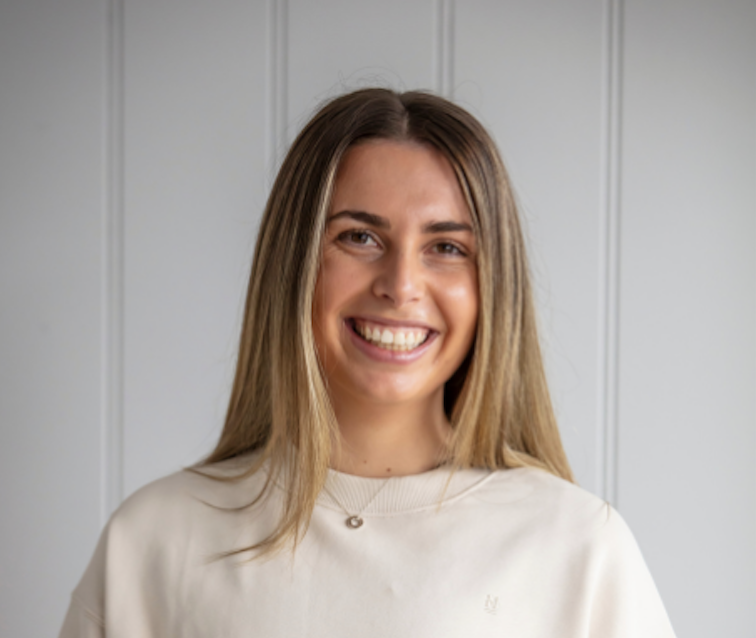
Emily Tregear - Senior Women's Health Physiotherapist

Emily Tregear

Senior Women’s Health Physiotherapist

Emily has a deep passion for empowering women to take control of their pelvic health. She creates a warm, judgement-free space where you can talk openly about what’s really going on.

Read more about Emily

With advanced training in pelvic floor rehabilitation, Emily treats a wide range of conditions including incontinence, prolapse, pelvic pain, and pregnancy-related concerns. She takes the time to really listen, explain what’s happening in your body, and build a treatment plan that fits your life. Whether you’re preparing for birth, recovering postpartum, or navigating menopause — Emily is here to help you feel strong and confident again.

Pelvic Floor Pregnancy Postpartum Incontinence Prolapse
Book with Emily
Tori Fisher - Women's Health Physiotherapist

Tori Fisher

Women’s Health Physiotherapist

Tori is passionate about helping women feel heard and supported through every stage of life. She combines clinical expertise with genuine empathy to deliver care that makes a real difference.

Read more about Tori

Tori brings a holistic, evidence-based approach to treating pelvic floor dysfunction, pregnancy-related pain, and postnatal recovery. She has a special interest in helping women return to exercise safely after having a baby and supporting those with persistent pelvic pain. Tori believes every woman deserves to understand her body and feel empowered in her recovery — no topic is too awkward, and no concern is too small.

Pelvic Pain Return to Exercise Prenatal Postnatal Pelvic Floor
Book with Tori